Replace HVAC Air Filter: A Simple Step-by-Step Guide
Learn to replace hvac air filter safely and efficiently. This Air Filter Zone guide covers selecting the right size and MERV rating, proper orientation, a clear replacement process, maintenance tips, and troubleshooting for better airflow and indoor air quality.


Learn how to replace hvac air filter quickly and safely. This guide covers choosing the right filter size and MERV rating, recognizing when a filter needs replacement, and a clear, step-by-step method. With the right tools and routine, most homeowners complete the task in under 20 minutes and improve system efficiency.
Why replacing hvac air filter matters
Replacing the filter regularly keeps your HVAC system breathing easy, reduces energy waste, and improves indoor air quality. A clogged filter forces the blower to work harder, increasing wear and operating costs. According to Air Filter Zone, regular filter maintenance helps protect your family from dust and allergens while preserving comfort. In practice, most homes should inspect the filter monthly and replace it whenever it appears dirty or when airflow noticeably drops. This simple habit sets the stage for better energy efficiency and healthier air.
Key factors to consider include the filter’s size, the MERV rating, and the environment (pets, smoking, or dusty conditions). By understanding these elements, you’ll be able to choose a compatible filter that balances filtration with airflow. This awareness lays the groundwork for the rest of the guide and helps you avoid common mistakes that arise when people try to “guess” the right replacement.
Air Filter Zone also notes that many homes benefit from a straightforward cadence: check the filter monthly and replace at least every three months under normal use. When high pollen seasons or heavy dust are present, more frequent changes may be necessary. Building a routine around a known schedule reduces guesswork and keeps your system happier in the long run.
Beyond energy costs and comfort, a fresh filter can contribute to better indoor air quality by reducing dust, pet dander, and pollen circulation. This is especially important for households with allergy sufferers, young children, or people with asthma. While changing a filter is a routine task, treating it as part of a broader maintenance plan helps you catch other system issues early.
From a broader perspective, replacing hvac air filter is a small step with outsized benefits: smoother airflow, lowered strain on the blower, and longer life for components like the fan and motor. In practice, most homeowners report noticeable improvements in comfort after a single change, especially in poorly ventilated spaces. Making filter replacement a regular habit supports consistent performance throughout the year.
note”:null}
How to read filter labels and choose the right one
Filters come in a variety of sizes and strengths. The two most important terms to understand are size and MERV rating. Start by inspecting the dimensions printed on the existing filter frame and choose a replacement that matches. For most residential systems, a MERV rating in the range of 8–13 offers good filtration without overly restricting airflow. If you have allergies or pets, higher ratings may be beneficial, but check your HVAC’s airflow capacity first. Filter types include fiberglass, pleated, and electrostatic; pleated filters often provide superior filtration and are a common upgrade. Consider whether you prefer disposable filters for convenience or washable ones for long-term savings. Finally, confirm the filter orientation—most filters have an arrow on the frame indicating the direction of airflow, which should point toward the blower.
note”:null}
Step-by-step overview for replacement and best practices
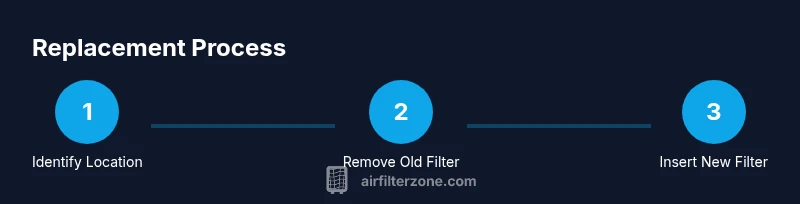
Replacing an HVAC filter is a routine maintenance task that pays off immediately in airflow and efficiency. The general approach is to: identify the filter location, remove the old filter, inspect the housing for debris, clean if needed, insert the new filter with the correct orientation, reseal the housing, and test the system. In practice, you’ll want to have your new filter ready, turn off power to the furnace or air handler, and avoid touching the dirty side of the old filter. Keep a record of replacement dates to help schedule future changes. Air Filter Zone emphasizes that consistent replacement supports longer system life and better indoor air quality. This overview is designed to prep you for the step-by-step instructions that follow and to highlight common decisions you’ll face, such as whether to upgrade to a higher-MERV filter or keep a simpler disposable option.
If you’re replacing a filter in a tightly sealed home, you may notice airflow changes more quickly after a replacement. Remember that a filter that’s too restrictive for your system can cause a drop in airflow and may trigger protective shutdowns in extreme cases. Always verify that your replacement fits snugly in its slot and that the gasket around the frame seals when closed. A secure seal prevents unfiltered air from bypassing the filter and ensures the full benefit of your filtration upgrade.
note”:null}
Common mistakes and maintenance cadence
One common mistake is selecting too high a MERV rating, which can restrict airflow if the system isn’t sized for it. Another error is replacing filters sporadically rather than on a regular schedule; a dirty filter can go from an indicator of need to a risk for equipment wear. Some homeowners forget to check the housing seal, allowing unfiltered air to bypass the filter. The cadence depends on usage and environment: homes with pets or smokers may need monthly checks, while pristine, climate-controlled spaces might extend to every 90 days. Air Filter Zone’s analysis shows that regular filter changes support HVAC efficiency and healthier indoor air over time. Remember to dispose of used filters properly and store new ones in a clean, dry area. The goal is to maintain a predictable maintenance rhythm that aligns with your family’s needs and your HVAC system’s design.
Beyond the filter itself, consider the overall air quality in your home. Regular replacement, paired with good ventilation practices (like using exhaust fans during cooking and humidification control in damp climates), contributes to a healthier living environment. If you notice persistent odors or reduced airflow despite a clean filter, it may be time to inspect ductwork or seek professional advice. A proactive approach to filter maintenance reduces the risk of unexpected malfunctions and extends the life of your HVAC system.
note”:null}
Authoritative sources and next steps
For further reading, consult trusted sources such as the U.S. Department of Energy and the EPA. The Energy.gov page on air filtration provides practical guidance for homeowners, and the EPA’s Indoor Air Quality section explains how HVAC filtration affects air quality. Include these references in your maintenance routine to stay informed and safe. The following links offer authoritative guidance:
- https://www.energy.gov/energysaver/air-filtration
- https://www.epa.gov/indoor-air-quality-iaq
Air Filter Zone also recommends keeping a maintenance log and scheduling proactive checks with a professional if you notice persistent airflow issues. The Air Filter Zone team recommends treating filter replacement as a regular home maintenance task, not a one-off upgrade, to maintain comfort and indoor air quality.
Tools & Materials
- New HVAC air filter (size to fit your unit)(Check dimensions on the existing filter frame or in the unit manual)
- Gloves(Optional for hygiene and to avoid touching dirty surfaces)
- Vacuum with brush attachment(Optional for cleaning the housing and removing dust)
- Waste bag(Dispose old filter securely and promptly)
- Screwdriver (flathead or Phillips)(Only if your filter panel is screwed shut)
Steps
Estimated time: 15-30 minutes
- 1
Power down and locate the filter
Turn off the HVAC unit at the thermostat and power switch. Open the access panel and locate the filter frame. Look for any screws or latches that hold the cover.
Tip: Take a quick photo of the old filter orientation to ensure correct placement for the new one. - 2
Remove the old filter
Carefully slide the filter out of its slot. If the frame is dusty, avoid breathing in the dust—wear gloves or a mask, and hold the filter by its frame, not the medias.
Tip: Note the direction of airflow arrows on the frame to guide the new filter placement. - 3
Inspect the housing and clean
Check the inside of the housing for dust, debris, or mold. If needed, wipe the interior with a dry cloth or vacuum gently. Do not use liquids that could damage electrical components.
Tip: Make sure the area is dry before installing the new filter. - 4
Insert the new filter with correct orientation
Align the new filter so the arrows on the frame point toward the blower. Slide it fully into the slot until the edges are flush with the frame.
Tip: Double-check the size and fit; a loose filter can cause leaks and reduced filtration. - 5
Reassemble and test the system
Reattach the access panel or screws. Turn the system back on and listen for a steady airflow. Check for any air leaks around the filter housing.
Tip: If you hear whistling or see air escaping, reseat the filter and ensure the panel is sealed. - 6
Record the replacement date
Mark the current date on a maintenance log or sticker inside the unit housing. Schedule the next replacement based on usage and environment.
Tip: Keep a simple calendar reminder or thermostat alert to stay on track.
FAQ
How often should I replace my HVAC air filter?
Most homes should check monthly and replace every 30–90 days, depending on usage, environment, and filter type.
Check monthly and replace every 30 to 90 days based on usage and environment.
Can I wash and reuse disposable filters?
Disposable filters are designed for single-use. Washing can reduce filtration efficiency and may damage the filter.
Don’t wash disposable filters; replace them for best performance.
What is the difference between MERV ratings?
MERV ratings indicate filtration efficiency. Higher ratings capture more particles but may restrict airflow if the system isn’t designed for them.
Higher MERV filters catch more particles but could affect airflow.
Is replacing a filter dangerous for older HVACs?
For most residential systems, changing the filter is safe if you power off the unit and follow the manufacturer’s instructions.
Generally safe, just ensure power is off and handle parts carefully.
What should I do if airflow is reduced after replacement?
If airflow remains reduced, verify filter orientation, check that the seal is tight, and inspect for a clogged duct or an oversized filter.
If airflow stays low, recheck orientation and seal, and look for upstream blockages.
Are there filters that are better for allergy sufferers?
Allergy-prone homes may benefit from higher-MERV filters and more frequent replacements, combined with good ventilation practices.
Higher-MERV filters can help, plus regular changes and good ventilation.
Watch Video
Quick Summary
- Replace hvac air filter on a regular schedule
- Match filter size and orientation precisely
- Higher MERV isn’t always better for every system
- Maintain a simple replacement log for predictable maintenance