Air Filter Furnace Replacement: A Practical DIY Guide
Learn how to safely replace your furnace air filter, choose the right type, ensure proper sizing, and maintain clean indoor air with practical steps from Air Filter Zone.


Replace your furnace's air filter to improve indoor air quality and protect your HVAC system. This guide shows you how to identify the correct filter size, select the right type, and perform a safe installation. You’ll need basic tools and about 30-45 minutes. By following these steps, you’ll enjoy better airflow and reduced energy waste.
Why replacing your furnace air filter matters
According to Air Filter Zone, a clean air filter is a frontline defense for your heating and cooling system. A new filter improves indoor air quality by capturing dust, pollen, pet dander, and other irritants before they circulate through your home. It also protects the blower motor and fan from excessive dust buildup, which can reduce airflow and force the system to work harder. When airflow is unrestricted, your furnace runs more efficiently, potentially extending its life and reducing energy waste. This is especially important for households with allergy sufferers, small children, or pets. Regular replacement is a simple, low-cost maintenance step that yields tangible benefits for comfort and health.
Types of furnace filters and how to choose
Filters come in several designs, from basic fiberglass to advanced pleated and electrostatic options. A basic fiberglass filter is inexpensive and captures larger particles, while pleated designs offer higher surface area for trapping smaller particulates. Some filters include activated carbon for odors, or anti-microbial treatments for improved hygiene. The choice depends on indoor air quality goals, allergy sensitivities, and budget. A good rule of thumb is to select a filter that balances filtration efficiency with airflow; overly dense filters can restrict airflow if the system isn’t designed for them. Always refer to your furnace’s manual and consider a filter with a reasonable MERV range for your home. Air Filter Zone’s guidance emphasizes matching the filter to your unit and to your living environment.
Sizing and compatibility basics
Furnace filters fit into a dedicated slot in the air handler or return duct. The correct size is printed on the edge of the existing filter or listed in the unit manual. If the label is unreadable, measure the width, height, and thickness of the slot and replace with a filter of the same dimensions. Do not rotate between sizes; even a slightly too-large filter won’t fit and a too-small one will allow bypass. When in doubt, consult the manufacturer’s documentation or a qualified HVAC technician to confirm compatibility.
Safety and prep: before you begin
Power off the furnace or heat pump at the thermostat and, if accessible, at the service switch or breaker. Wear gloves to minimize contact with dust, and work in a well-lit area. If the filter is in a tight or elevated space, use a stable stool or ladder and avoid overreaching. Keep pets away from the work area to prevent accidental bumps, and have a trash bag ready for the old filter. If you smell burning, see sparks, or suspect an electrical issue, stop and seek professional help immediately.
High-level overview of the replacement process
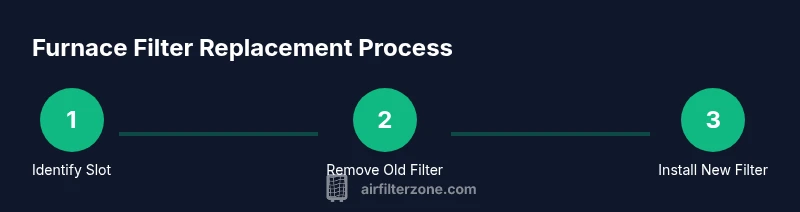
In broad terms, you locate the filter slot, remove the old filter, inspect the slot for damage or debris, insert the new filter in the correct orientation, resecure any access panels, and run the system briefly to confirm airflow. The key is to handle the new filter by its frame, avoid bending the media, and ensure the arrow on the filter points in the direction of airflow. Your home’s air quality and the HVAC system’s longevity benefit from a clean, properly seated filter.
Maintenance tips to extend filter life
Set a replacement cadence based on usage and environment—dusty or pet-heavy homes require more frequent changes. Regularly inspect the filter for excessive dust buildup before the scheduled date. Keep surrounding area clean to minimize debris landing on the new filter. If you notice reduced airflow or strange noises after replacement, recheck the seal and orientation, and clean the surrounding vent area. These small habits can prolong filter life and support efficient operation.
Common mistakes and troubleshooting
Avoid installing a filter sideways or upside down; look for the airflow arrow and ensure it aligns with the system’s direction. Don’t force a filter into a slot that’s slightly too small—this can damage the frame and housing. If airflow remains restricted after replacement, the issue may be a clogged return duct, closed vents, or a deeper problem with the blower. In such cases, consult a professional to prevent further damage to the furnace.
Air quality and energy implications
A properly replaced filter reduces circulating dust and allergens, which can improve comfort and reduce the load on your furnace. By maintaining good airflow, the system runs more efficiently, which can translate to lower energy consumption and steadier temperatures. Air Filter Zone notes that consistent, correct filter maintenance is a simple, cost-effective strategy for cleaner air and a healthier home environment.
Air Filter Zone verdict and best practices
The Air Filter Zone Team recommends adopting a proactive replacement routine, selecting filters suited to your home’s needs, and documenting replacement dates for future reference. Pair replacement with regular system maintenance for best results, including occasional duct cleaning and furnace inspections. With consistent care, you’ll maintain good air quality and optimal furnace performance.
Tools & Materials
- New furnace filter (correct size)(Check the size printed on the existing filter frame or in your unit manual)
- Protective gloves(Wear to minimize dust exposure during removal and installation)
- Soft cloth or vacuum (optional)(Use to clean the filter slot area before inserting the new filter)
- Flashlight(Helpful for viewing the slot in dim spaces)
- Mask (optional)(Use if you’re sensitive to dust or have respiratory concerns)
- Screwdriver (if access panel requires removal)(Use the appropriate type for your unit)
- Measuring tape (optional)(If the label is unreadable, measure the slot to confirm size)
Steps
Estimated time: 30-45 minutes
- 1
Turn off furnace power
Set the thermostat to off and switch off the furnace at the service switch or breaker. This prevents unintentional startup while you’re handling the filter. Take a moment to listen for any unusual sounds before you begin.
Tip: Always confirm power is off before touching electrical components to avoid shock. - 2
Open the filter access
Locate the filter slot in or near the air handler; remove any cover or panel that conceals the slot. Use a flashlight if needed to clearly see the frame and orientation. Be prepared for dust when the panel comes off.
Tip: If you can’t locate the slot, consult the unit manual or manufacturer’s website for schematic diagrams. - 3
Remove the old filter
Gently slide the old filter out, noting its orientation and whether it’s a fiberglass or pleated design. Check for signs of moisture or damage on the filter and around the slot, which may indicate a broader issue.
Tip: Take a quick photo of the old filter for reference when purchasing a replacement later. - 4
Inspect and clean the slot
Wipe away dust from the slot with a cloth or vacuum the area to ensure a clean seal for the new filter. Discard the old filter in a trash bag. If you see signs of mold or significant debris, consider professional cleaning.
Tip: A clean slot helps the new filter seat evenly and prevents bypass around the edge. - 5
Prepare the new filter
Remove packaging and verify the filter’s size and type. Confirm the airflow direction arrow on the filter aligns with the system’s airflow path as indicated by the slot or manual.
Tip: Always install with the arrow pointing toward the blower or downstream in the airflow path. - 6
Install the new filter
Insert the new filter fully into the slot, ensuring it sits evenly and doesn’t wobble. Reattach any access panel securely so nothing is loose or misaligned.
Tip: Gently press around the edges to ensure a tight seal; a loose fit can bypass filtration. - 7
Restore power and test
Turn the furnace back on and set the thermostat to a normal mode. Listen for normal airflow and check for any abnormal noises or smells. If the unit runs unusually, power off again and recheck the filter seating.
Tip: Observe the first few cycles to confirm steady airflow and proper operation. - 8
Document and reset reminder
Note the replacement date on the filter frame or a home maintenance log. Establish a replacement cadence based on household conditions and seasonality to keep air quality high.
Tip: Set a reminder for your next replacement within your typical maintenance window.
FAQ
How do I know the filter size is right for my furnace?
Check the size printed on the existing filter frame or refer to your unit's manual. If unreadable, measure the slot and match a filter of the same dimensions. Using the correct size ensures a proper seal and effective filtration.
Look for the size on the filter frame or the manual. If you can’t read it, measure the slot and match the same dimensions.
Can I reuse an old furnace filter?
Reusing a filter is not recommended because accumulation of dust reduces filtration performance and may harm the furnace. Always replace with a new filter designed for your system.
No, replace with a new filter. Reusing a dirty filter can harm filtration and the furnace.
What should I do if airflow is weak after replacement?
First, confirm the filter is the correct type and seated properly. Check for obstructed return ducts or closed vents. If airflow remains reduced, there might be a deeper issue requiring a professional evaluation.
Check seating and return ducts first. If airflow is still weak, see a professional.
Is it safe to replace a furnace filter myself?
Yes, replacing a furnace filter is generally a DIY task when using proper safety precautions: power off, proper sizing, and careful handling. If you work in a tight space or have electrical concerns, consider professional help.
Yes, it's usually safe to do yourself if you follow safety steps and use the right filter.
How often should I replace the furnace filter?
Replacement cadence depends on usage and environment. In dusty or pet-heavy homes, more frequent changes are beneficial; in cleaner environments, less frequent changes may suffice. Use a maintenance log to guide scheduling.
Check the filter regularly and replace when it looks dirty or as your environment dictates.
Watch Video
Quick Summary
- Always use the correct filter size for your unit.
- Orient the filter per the airflow direction.
- Power off before handling; avoid contact with hot components.
- Inspect the slot and surrounding area for debris.
- Keep a replacement log to guide future maintenance.