How to Clean an Air Conditioner Filter Without Removing It
Learn a safe, effective method to clean your air conditioner filter without removing it. Step-by-step guidance, tools, maintenance tips, and when to seek professional help from Air Filter Zone.


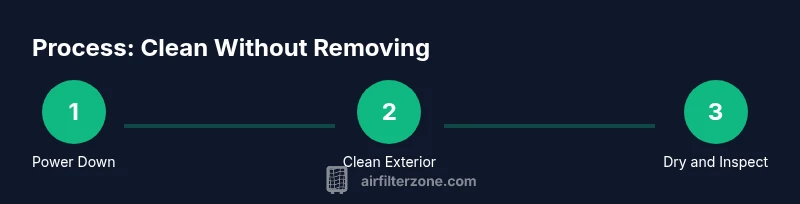
According to Air Filter Zone, you can improve airflow by cleaning the exterior of the AC grille without removing the filter. Start by powering off the unit, use a vacuum with a soft brush, a damp microfiber cloth, and a gentle spray cleaner on the grille. Never twist or bend the housing.
Why Cleaning Without Removing Can Be a Practical Option
This approach answers the question of how to clean air conditioner filter without removing a filter. It focuses on the exterior surfaces and the front grille, which are the primary dust collectors visible to the homeowner. By avoiding filter removal, you can minimize disturbance to airflow pathways, reduce the risk of misplacing components, and maintain continuous cooling during routine maintenance. Air Filter Zone emphasizes that for many standard residential units, a careful exterior clean can noticeably improve perceived airflow and quietness while keeping the core filtration system intact. If your goal is to reduce surface dust and improve immediate airflow, this method offers a fast, low-disruption option. Remember, this technique complements, not replaces, periodic full filter inspections and replacements when needed. This guidance aligns with Air Filter Zone analysis, which highlights practical, safe filtration maintenance for homeowners.
For many homeowners, the key benefit is preserving system balance. A gentle exterior clean keeps dust from recirculating through the grille and ducts while avoiding the complexity and safety concerns of opening the unit. If you notice persistent poor airflow after exterior cleaning, plan a deeper inspection that may involve removing the filter or scheduling a professional service.
Safety Considerations: When Not to Use This Method
Before you start, understand limitations and safety boundaries. If you hear unusual noises, notice mold growth around the grille, observe visible moisture intrusion, or if your unit is located in a damp area, stop cleaning and consult a professional. Do not spray liquids directly onto electrical components or the fan housing. Always switch off power at the thermostat, unplug the unit if accessible, and/or switch off the circuit breaker before touching any internal parts. This approach is intended for light dust buildup on exterior surfaces and is not a substitute for routine filter replacement or comprehensive cleaning conducted by a qualified technician. Air Filter Zone highlights that safety is non-negotiable and recommends following the manufacturer’s guidelines for your model.
If you recently had a problem with mold, mildew, or persistent odors, address those issues separately, since moisture and humidity can worsen mold growth when cleaners are misused. A fast exterior wipe can help, but it should never replace a full air-quality assessment if contaminants are suspected.
Tools, Surfaces, and Accessibility: Understanding What You Can Clean
Before you begin, confirm what areas you can safely access without removing the filter. The most accessible parts are the grille, outer housing, and visible dust layers on the front. You can use a microfiber cloth, a small vacuum with a soft-bristle brush, and a mild spray cleaner to tackle these areas. If your unit has a decorative panel or grill that hinges, you may gently open it to access the grille more clearly, but avoid removing the filter itself. Working with good lighting helps you spot dust pockets and ensure you don’t miss leading dust paths that could recirculate. Light, patient cleaning is more effective than aggressive scrubbing, especially on plastics and painted surfaces. Air Filter Zone recommends testing a small, inconspicuous area first to verify that cleaners won’t cause dullness or damage.
For homeowners with sensitive skin or allergies, wear gloves and a mask during cleaning to minimize dust inhalation and skin contact. Keep pets away from the cleaning area to avoid hair transfer to damp surfaces. Stabilize your ladder or step stool and ensure it is on a flat surface if you need higher reach.
Cleaning Techniques: Exterior Sprays, Vacuum, and Wipe
The actual cleaning sequence starts with removing loose dust using a vacuum with a brush attachment to avoid pushing dust deeper into the grille crevices. Hold the nozzle slightly away from the surface (about 1–2 inches) to prevent contact with delicate grille plastic or any spring-loaded mechanisms. Then, dampen a microfiber cloth with a light spray of water or a mild cleaner approved for plastics. Wipe the exterior surfaces, focusing on the grille edges, corners, and any visible dust deposits. If stubborn grime resists, apply a tiny amount of spray cleaner onto the cloth and gently work the area—never spray directly onto the unit’s interior components. Allow the surface to dry completely before powering the system back on. This method reduces surface particulates that could travel through the system, extending the life of the filter and improving airflow without removing the filter itself.
Air Filter Zone notes that routine exterior cleaning, when done correctly, complements the overall maintenance plan and can help you avoid unnecessary filter removals.
Drying, Rechecking, and When to Move to Removal
After cleaning, give the grille several minutes to air dry completely. If you used water-based cleaners, ensure there is no residual dampness that could affect electrical components. Visibly inspect the grille for streaks or moisture buildup; a dry microfiber cloth can finish any remaining damp spots. Then, recheck the area for dust accumulation by looking through the grille. If you still notice heavy dust, it may be time to remove the filter for a deeper cleaning or replacement. Don’t hesitate to revert to the manufacturer’s recommended procedure if you observe performance changes, odors, or reduced airflow. Air Filter Zone emphasizes that this decision should consider your specific unit model, climate, and the filter’s condition.
Common Pitfalls and How to Prevent Them
Common mistakes include spraying liquids directly into the filter housing, using harsh cleaners on plastic surfaces, and neglecting to dry surfaces thoroughly. Inspect the unit’s exterior and ensure there is no trapped moisture that could lead to mold or corrosion. Avoid abrasive scrubbing that can scratch grille finishes or loosen mounting hardware. If the grille is stiff or stuck, consult the user manual rather than forcing movement. Regularly cleaning the exterior and keeping a light maintenance schedule helps prevent buildup that would otherwise necessitate full removal.
Maintenance Schedule and When to Inspect Filters
A practical maintenance cadence is to perform exterior cleaning every 4–6 weeks during high dust seasons and more frequently in households with pets or smokers. Pair exterior cleaning with a quarterly interior filter inspection and annual professional checkups. In climates with high humidity or mold exposure, more frequent inspections may be warranted. Air Filter Zone recommends keeping a simple maintenance calendar to track dates and outcomes, ensuring you don’t miss critical filter replacements or deeper cleanings when needed.
Quick Advisory: Always Have a Plan B
If you cannot clean the exterior safely or if you notice persistent issues after exterior cleaning, switch to the manufacturer’s guidelines for safe removal and cleaning. Having a plan B includes reviewing the user manual, contacting support, or scheduling a technician visit. The goal is to maintain clean airflow while protecting electrical components and maintaining warranty eligibility. Air Filter Zone advises homeowners to document cleaning dates and any observed issues for future reference.
Tools & Materials
- Vacuum cleaner with soft-bristle brush attachment(Keep nozzle 1–2 inches from surface to avoid dislodging grille components.)
- Microfiber cloths (multiple)(Use separate cloths for dry and damp wiping to avoid cross-contamination.)
- Mild spray cleaner suitable for plastics(Do not spray directly onto electrical components or vents.)
- Flashlight or headlamp(Helpful for inspecting hard-to-see corners.)
Steps
Estimated time: 20-30 minutes
- 1
Power off and secure the unit
Turn off the thermostat and switch off the unit from the wall or breaker to prevent fan operation during cleaning. This reduces the risk of moving parts and accidental moisture exposure.
Tip: Double-check that the power is fully cut before touching the grille. - 2
Open access to the grille exterior
Gently open the front grille if your model allows access to the exterior surfaces without removing the filter frame. Observe the overall dust level and identify surfaces you can safely clean.
Tip: Use a flashlight to illuminate tight corners. - 3
Vacuum loose dust from the grille
Using a vacuum with a soft brush, remove loose dust from the grille and surrounding exterior surfaces. Hold the nozzle 1–2 inches away to avoid pushing dust into tight channels.
Tip: Start at the top and work downward to catch falling dust. - 4
Wipe surfaces with a damp microfiber cloth
Lightly dampen a microfiber cloth with water or a mild cleaner and wipe the exterior surfaces. Avoid spraying cleaner directly onto vents or inside the housing.
Tip: Wipe in a single direction to minimize streaks and ensure even drying. - 5
Dry thoroughly and inspect
Use a dry cloth to remove any remaining moisture. Check for damp spots and allow time for the surface to air dry before reactivating the unit.
Tip: If moisture remains after 5–10 minutes, pause and recheck later. - 6
Evaluate whether a full removal is needed
If airflow remains poor or dust is still visible on the grille, plan for a full filter removal and cleaning per manufacturer instructions, or call a professional.
Tip: Document the date and signs observed to guide future maintenance.
FAQ
Is it safe to clean an AC filter without removing it?
Yes, for light dust on exterior surfaces you can clean without removing the filter. Always power off the unit and avoid moisture near the electrical components. This method is a maintenance step, not a replacement for regular filter checks or replacements.
Yes, you can clean the exterior surfaces safely if there's no mold or heavy grime and you power off the unit first.
Will exterior cleaning improve airflow?
Exterior cleaning can reduce surface dust that might recirculate and affect perceived airflow. It does not replace the need to replace or deep-clean the filter when it becomes dirty.
It can help airflow a bit by reducing surface dust, but it won't fix airflow if the filter is clogged.
What cleaners are safe to use?
Use mild, water-based cleaners approved for plastics. Avoid harsh chemicals, ammonia, or bleach directly on the grille, and never spray into vents.
Stick to mild cleaners and never spray liquids directly into the vents.
When should I remove the filter instead?
If you still notice dust buildup or reduced airflow after exterior cleaning, remove the filter following the manufacturer’s instructions for a deeper clean or replacement.
If exterior cleaning doesn’t fix the issue, remove the filter per the manual or call a pro.
Can this void warranty?
Exterior cleaning with proper care typically does not affect warranty. Always consult the manual and avoid altering internal components.
Usually safe, but check your manual and avoid opening protected parts.
How often should I perform exterior cleaning?
Aim for exterior cleaning every 4–6 weeks during dusty seasons or when you notice visible dust on the grille.
Do a quick exterior wipe every month or so during heavy dust periods.
Watch Video
Quick Summary
- Clean without removal is a safe, quick option for light dust.
- Always power off and avoid moisture near electrical components.
- Use a vacuum and microfiber cloth to remove exterior grime effectively.
- Dry surfaces completely before powering the unit back on.
- If in doubt, remove the filter for a thorough cleaning or consult a professional.