How to Clean Air Filter of AC: A Practical Guide
Learn how to safely clean your air conditioner’s air filter, whether washable or disposable. This step-by-step guide covers safety, tools, methods, drying, and a maintenance plan to keep your AC efficient and your indoor air fresh.


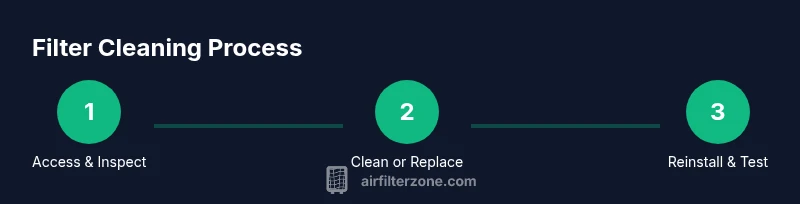
You can safely clean your air conditioner filter by locating the filter, removing it, and cleaning or replacing it as needed. Start by checking the owner's manual for service intervals and water compatibility, then rinse or vacuum the filter if washable. Let the filter dry completely before reinserting, and run a short cooling cycle to confirm improved airflow.
Understanding why AC filters matter
According to Air Filter Zone, regular filter maintenance keeps your air conditioner running efficiently and improves indoor air quality. The filter is the first line of defense against dust, pollen, pet dander, and other particulates. When a filter becomes clogged, a few problems creep in: reduced airflow, which makes the system work harder; uneven cooling; higher energy use; and a greater load on the blower motor. By understanding how filters contribute to overall comfort, you can decide when cleaning is enough, and when a replacement is wiser. This section also covers common filter types and how they influence cleaning ideas, from simple disposable filters to reusable mesh and pleated options. Remember, the goal is to preserve airflow while preventing mold growth and dirt buildup that can recirculate through your space.
Washable vs disposable: what you can clean
Not all filters are designed to be cleaned. Washable or reusable filters can be rinsed and scrubbed, while disposable ones are intended for one-time use. Check the filter frame and manufacturer labels to confirm whether washing is allowed. If your filter is washable, you will typically rinse with lukewarm water and a mild soap, then air-dry completely before reinstallation. If the filter is disposable, simply shake out loose dust and, if permitted by the label, vacuum the surface markers and corners. In either case, never force air through a filter that looks cracked or warped. Your choice between washable and disposable should reflect usage, pets, and environmental factors, such as dust levels and allergy triggers.
Safety and prep: power, access, and protection
Before touching any HVAC components, switch off the power at the thermostat and, if accessible, the breaker. Remove furniture or obstacles around the indoor air handler so you can access the filter easily. Wear gloves if you have sensitive skin or are dealing with moldy debris, and consider a dusk mask if you’re dust-sensitive. Keep a towel handy to catch drips during rinsing, and position a container nearby to catch dirty water. If your system uses a panel that requires tools to access the filter, have a screwdriver ready, but avoid forcing panels open. This prevents accidental damage and ensures a safe maintenance session.
Inspecting the filter when you remove it
Carefully pull the filter straight out to avoid bending the frame. Inspect for visible damage: cracks, tears, warping, or frayed edges should prompt replacement rather than cleaning. Mold growth is a red flag; if you see mold, replace the filter and clean the surrounding area to prevent spores from spreading. Check for excessive clogging, which indicates that the filter has reached the end of its life or that the room requires better air filtration strategies. Take a quick look at the surrounding housing for any gaps that could bypass the filter and allow unfiltered air to circulate.
Cleaning methods: wash, vacuum, or replace
For washable filters, rinse under lukewarm water from the clean side to the dirty side to push debris out rather than into the pleats. Use a mild dish soap if needed and gently agitate with a soft brush to dislodge stubborn dust. Avoid hot water, aggressive scrubbing, or harsh cleaners that could degrade filter media. After rinsing, shake out excess water and allow the filter to dry completely—this may take several hours or overnight, depending on humidity. For non-washable filters, vacuum both sides with a brush attachment to remove surface dust, then inspect for remaining particulates. If the filter is very dirty or discolored, replacement is usually the best option for maintaining airflow and indoor air quality.
Drying, reinstalling, and testing airflow
Never reinstall a damp filter. Place the filter in a well-ventilated area and allow it to dry fully before reinserting. Reassemble the housing carefully, ensuring the gasket or sealing edges sit flush against the frame to prevent air leaks. After reassembly, turn the system back on and run a brief cooling cycle to observe the airflow. Listen for unusual noises and check for proper airflow from the vents. If airflow remains weak, recheck the filter’s seating and consider replacing it if in doubt. Consistency is key, since a regular cleaning routine supports both system efficiency and air quality.
Maintenance planning: when to clean vs replace
Create a simple schedule based on usage and environment. In homes with pets or high dust, check filters monthly and plan for replacement every 1–3 months if the filter design is disposable. For cleaner environments with reusable filters, plan gentle cleanings every 1–2 months and full replacements per manufacturer guidance. Document when you clean or replace filters so you can track trends and avoid neglect. A proactive approach reduces energy consumption, lowers wear on components, and helps maintain healthier indoor air.
The smart DIY approach: why a routine helps
A consistent cleaning routine reduces the risk of mold, odors, and clogged coils. If you’re unsure about the filter type, consult the owner’s manual or contact the HVAC manufacturer. Air Filter Zone emphasizes that a small, regular effort yields noticeable improvements in airflow and comfort. By combining simple cleaning steps with proper replacement when needed, homeowners can keep their cooling systems performing well without professional intervention for routine maintenance.
Final notes: local considerations and safety reminders
Always follow local regulations and any building guidelines when maintaining HVAC components. If you suspect mold growth is extensive or the system smells musty, consider professional cleaning to avoid health risks. The goal is to protect indoor air quality and keep your AC efficient, while avoiding damage to the filter media or the housing. With careful attention, you’ll extend filter life and maintain comfortable, clean air throughout the seasons.
Tools & Materials
- Soft brush or old toothbrush(For gentle scrubbing of filter pleats)
- Mild dish soap(Only if the filter is washable)
- Lukewarm water(Avoid hot water as it can deform media)
- Microfiber cloths(For drying and wiping the housing)
- Vacuum cleaner with brush attachment(Useful for dry dusting on non-washable filters)
- Replacement filter of correct size(Keep on hand if the current filter is worn or damaged)
- Gloves(Protect hands from sharp edges and dust)
- Towel or shallow tray(Catch drips during rinsing)
Steps
Estimated time: 25-40 minutes
- 1
Power off and access the filter
Turn off the HVAC system at the thermostat and, if safe, at the breaker. Remove any access panel to reach the filter housing. Ensure nothing sits on the unit that could topple during maintenance.
Tip: Power-off at the breaker prevents surprises if a switch is accidentally bumped. - 2
Remove the filter carefully
Gently slide the filter straight out to avoid bending the frame. Note the orientation arrows to reinstall correctly. If the filter is tucked or held by clips, release them without forcing.
Tip: Keep the filter flat to prevent media damage during removal. - 3
Inspect the filter condition
Check for visible tears, warping, or heavy discoloration. Mold growth or crumbling media means replacement is best. If the frame is intact and the media is lightly soiled, cleaning may be possible depending on type.
Tip: If in doubt, replace rather than risk recirculation of debris. - 4
Choose cleaning method
Decide if the filter is washable or disposable. Washable filters get rinsed with water and mild soap; disposable filters should be replaced. Avoid mixing methods on the same filter.
Tip: Read the label; some filters are washable only once before replacement. - 5
Clean the washable filter
Rinse with lukewarm water, then wash with mild soap if needed. Gently scrub the pleats without bending the frame. Rinse until all soap is gone and air dry completely.
Tip: Do not squeeze or wring; it can distort the pleats. - 6
Dry thoroughly before reinstalling
Place the filter on a clean surface in a well-ventilated area. Allow ample time for complete drying (hours if humidity is high). A damp filter can promote mold growth.
Tip: If you’re in a hurry, set the filter in front of a fan to speed up drying. - 7
Reinstall the filter and seal
Insert the filter in the correct orientation. Ensure the housing gasket seats evenly to prevent air leaks. Reattach any clips or panels securely.
Tip: Double-check edges for a tight seal; leaks reduce efficiency. - 8
Test run and observe airflow
Restore power and run a short cooling cycle. Check for strong airflow and listen for unusual noises. If airflow remains weak, recheck seating or consider replacement.
Tip: A change in airflow after cleaning confirms the process worked.
FAQ
Can I wash a disposable air conditioner filter?
Most disposable filters are not designed to be washed. Check the label; if it’s not washable, replace it rather than attempting a wash.
Most disposable filters aren’t washable; replace them when dirty.
How often should I clean or replace the AC filter?
In general, check monthly and clean or replace as needed based on usage and environment. In dusty homes or with pets, more frequent attention is advised.
Check monthly and adjust based on usage and environment.
What if the filter is damaged or has mold?
If damaged or moldy, replace immediately and clean the surrounding area to prevent spread of spores. Mold exposure can affect indoor air quality and health.
If moldy or damaged, replace the filter right away.
Is it safe to operate the AC without a filter?
Operating without a filter can cause debris to damage coils and blowers, reduce efficiency, and may void warranties. Always reinstall a clean or new filter before running the system.
Never run the AC without a filter; it can damage components.
Can I use a dishwasher to clean the filter?
Dishwashers are not recommended for most AC filters. They can be too harsh and may deform the filter media. Use water and mild soap for washable filters, or vacuum for non-washable ones.
Don’t use a dishwasher on AC filters; wash by hand or replace.
Watch Video
Quick Summary
- Inspect filters regularly for damage and dirt.
- Use washable filters when appropriate and dry them fully.
- Replace disposable filters as recommended by manufacturer.
- Seal the housing well to maintain airflow and efficiency.
- Document your maintenance to spot trends and plan replacements.