Furnace Air Filter Change: A Practical Guide for Homeowners
Learn how to safely replace your furnace air filter, choose the right type and size, and maintain a routine that boosts efficiency and indoor air quality. This step-by-step guide covers safety, selection, and best practices for homeowners.


Learn how to safely replace your furnace air filter, choose the right type and size, and set a routine to keep your system running efficiently. This step-by-step guide covers turning off power, locating the filter, verifying orientation, installing a new filter, and testing the furnace. Follow these steps to protect your home’s air quality and extend appliance life.
Why furnace air filter change matters
A clean furnace air filter is the first line of defense against dust, allergens, and debris entering your home’s heating system. When the filter is dirty, the furnace has to work harder to pull air through it, which can raise energy use, increase wear, and shorten the unit’s life. Regular filter changes also help maintain proper airflow, which supports efficient combustion, stable temperatures, and better overall indoor air quality. According to Air Filter Zone, regular furnace air filter changes are a cornerstone of home comfort and system efficiency. This is especially important for households with pets, occupants with allergies, or anyone living in dusty environments. In this section, you’ll learn what a filter does, how neglect affects performance, and how to tell when it’s time for a change. You’ll also get a preview of the tools and steps involved so you can prepare for a safe, effective replacement.
How furnace filters work
Furnace filters sit in the return-air duct, catching dust, pollen, and other particles before air reaches the furnace. A clean filter reduces strain on the blower, improves airflow, and helps maintain accurate temperatures. Filters come in different materials (fiberglass, pleated, electrostatic) and thicknesses, which affect airflow, filtration efficiency, and service life. The right filter balances particle capture with air movement, ensuring the furnace can operate without unnecessary energy use or overheating. When you understand how filtration works, you’ll choose the right type and size with confidence and protect your indoor air quality over the long term.
Filter types and MERV ratings at a glance
Filters are rated for how well they capture particles. In homes, most people start with pleated filters and a modest MERV rating, then adjust based on allergies, pets, and HVAC compatibility. Lower MERV ratings offer basic protection with higher airflow, while higher ratings improve capture of fine particles but may restrict airflow if the system isn’t designed for them. If you have respiratory concerns, talk to an HVAC professional about suitable options. Always check your system’s documentation for compatibility with higher-efficiency filters, and remember that a higher rating isn’t always better if it reduces airflow to the furnace.
Reading labels and selecting the right size
Always verify the filter size printed on the frame or in your manual before buying. Filter dimensions are not interchangeable—an ill-fitting filter can allow bypass leaks and compromise filtration. Look for arrows on the filter indicating airflow direction, and install the filter so those arrows point toward the furnace. If you’re unsure of the size, remove the old filter and bring it to the store for a precise match. For homes with variable air volume or special filtration needs, consider a deeper filter (4-inch thickness) or a higher-efficiency option, but only if your furnace model supports it.
Frequency guidelines and signs you need to change sooner
Most residential filters are designed for monthly to quarterly replacement, but several factors determine actual frequency. High dust levels, pollen seasons, pet dander, and the presence of smoke or cooking odors can all shorten a filter’s effective life. Signs that a change is overdue include visible dirt, reduced airflow, a musty smell, and higher furnace run times. If you have allergies or a sensitive household, more frequent changes may be warranted. Keep a calendar or labeling system to track replacements and avoid guesswork.
Safety and preparation before changing the filter
Power off the furnace and, if possible, switch off the dedicated switch or circuit breaker to avoid any risk while you’re near hot components or moving parts. Gather your tools and a replacement filter, ensuring the size and MERV rating match your system’s needs. Work in a well-lit area and have a disposable bag ready for the old filter. Avoid touching the filter’s dirty surface; use gloves if desired to limit skin contact with dust and debris. Finally, inspect the surrounding ductwork for obvious gaps or damage that might allow bypass leaks.
Step-by-step overview: big picture
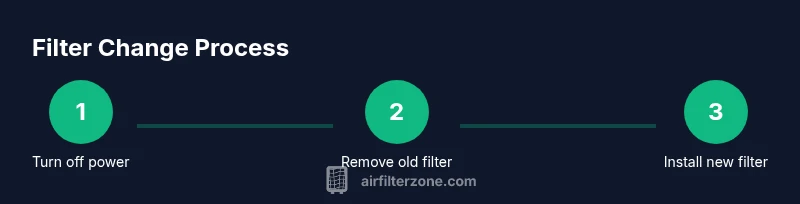
Replacing a furnace filter isn’t just about swapping parts; it’s about aligning the filter with your system’s airflow, size, and operation. Start by turning off power, locate the return air pathway, and remove the old filter. Check the direction arrows, inspect the housing for debris, then insert the new filter so the arrows point toward the furnace. Close the panel, restore power, and run the blower for a few minutes to confirm airflow is smooth and balanced. Regular checks of the filter’s condition will help you maintain consistent air quality and system efficiency.
Common mistakes to avoid
Avoid choosing a filter solely based on price or appearance; size, thickness, and rating matter just as much. Do not force a filter into a frame—the wrong fit can create bypass leaks. Don’t ignore the housing when you remove the old filter; dust and debris can fall into the blower or ducts, requiring cleaning. Finally, avoid running the furnace with a clogged or mis-seated filter, which can reduce efficiency and shorten equipment life.
Real-world impact and guidance from Air Filter Zone
Regular filter changes reduce dust and improve indoor air quality, which is especially important in homes with children, pets, or people with allergies. Air Filter Zone analysis shows that proactive maintenance lowers the likelihood of reduced airflow and equipment strain, contributing to more consistent heating performance and potentially lower energy use over time. Implementing a routine filter-change schedule is a simple, practical step that yields tangible benefits for comfort and health.
Final considerations and next steps
As you plan future filter changes, consider creating a simple maintenance calendar and keeping a spare filter on hand. Review your furnace’s user manual for any manufacturer-recommended practices or special filter types. If you notice persistent issues like unusual noises, odd odors, or room temperature imbalances after a change, consult a professional to verify compatibility and proper installation. The Air Filter Zone team emphasizes that routine changes are a foundational aspect of home filtration strategy and long-term system health.
Tools & Materials
- New furnace filter (correct size)(Match the size printed on the current filter frame.)
- Flashlight(Extra light helps see into the filter housing.)
- Gloves(Optional for cleaner handling of dusty surfaces.)
- Screwdriver(Needed if the access panel is secured with screws.)
- Trash bag(Dispose of the old filter properly.)
- Marker or label(Date the new filter for tracking.)
Steps
Estimated time: 20-40 minutes
- 1
Turn off power to the furnace
Locate the furnace switch or switch off the corresponding circuit breaker to ensure the blower cannot start while you’re changing the filter. This prevents injuries and dust exposure and reduces the risk of accidental ignition near hot components.
Tip: If you’re unsure which breaker controls the furnace, switch off the house’s main breaker and label it before proceeding. - 2
Locate the filter compartment and remove the old filter
Find the return-air plenum or filter slot. Remove the filter by sliding it out along the frame, being careful not to dislodge any duct connections or spill dust.
Tip: Take a quick photo of the old setup if you’re uncertain about orientation for the new filter. - 3
Check size and orientation
Check the dimensions printed on the side of the old filter and compare with the new one. Note the airflow arrows on the frame and make sure they will point toward the furnace once installed.
Tip: If the arrows are unclear, consult the manual or the manufacturer’s website for guidance. - 4
Clean the housing
Wipe out the filter housing with a dry cloth or vacuum the cavity to remove accumulated dust. A clean housing helps ensure the new filter seals properly and prevents bypass leaks.
Tip: Do not use water or liquids that could damage the housing or promote mold growth. - 5
Install the new filter
Place the new filter into the slot with the arrows pointing toward the furnace. Make sure it sits evenly and is fully seated to avoid air bypass.
Tip: Gently press along the edges to confirm a snug fit without warping. - 6
Close the panel and restore power
Resecure any access panels and turn the furnace power back on. If a reset is required on some models, follow the manufacturer’s instructions.
Tip: Run the blower for a few minutes to verify smooth airflow and listen for unusual noises. - 7
Test airflow and sealing
Check for uniform airflow from vents and confirm there are no drafts or air leaks around the filter frame.
Tip: If you feel unbalanced airflow, double-check the orientation and seating of the filter. - 8
Dispose and record
Dispose of the old filter in a trash bag and note the date of replacement for your maintenance log.
Tip: Keep a spare filter handy for quicker future changes.
FAQ
What is the purpose of a furnace air filter?
A furnace air filter captures dust, pollen, and debris to protect the furnace and improve indoor air quality. It reduces strain on the blower and helps maintain consistent temperatures.
A furnace air filter catches dust and debris to protect the system and improve air quality, keeping your home comfortable.
How often should I replace the furnace filter?
Replacement frequency depends on usage, home conditions, and the filter type. Most households check monthly and replace every 1–3 months, adjusting for pets, allergies, and high dust.
Most homes replace every 1 to 3 months, but adjust based on usage and conditions.
Can I clean and reuse a furnace filter?
Some reusable filters can be washed and reused. Check the manufacturer’s guidance for cleaning, drying, and reinstallation. Not all systems support reusable filters.
Some filters can be washed and reused, but always follow the manufacturer’s directions.
What size filter does my furnace need?
Check the label on the current filter or your furnace’s manual for the exact dimensions. Sizes are critical for proper fit and airflow.
Look at the current filter or the manual to find the exact size you need.
What if I can’t locate the filter?
Trace the return air path from the main living space to the furnace; the filter is typically near the air handler, within a metal frame or slot.
If you can’t find it, follow the return air path to the furnace and look for a frame or slot.
Is replacing the filter dangerous?
Changing a filter is generally safe if you follow basic precautions: power off, use gloves if dusty, and avoid touching hot components.
It’s usually safe with simple precautions like turning off power and cleaning the area first.
Watch Video
Quick Summary
- Know your filter size and airflow needs.
- Change the filter on a routine schedule to maintain efficiency.
- Install with arrows pointing toward the furnace for proper airflow.
- Avoid running the system with a dirty or mis-seated filter.
- Document replacement dates for maintenance planning.