Changing Furnace Air Filter: A Practical Guide
Learn how to safely change your furnace air filter, how often to do it, and how to pick the right filter for your system. This comprehensive guide offers actionable steps, common mistakes, and pro tips to boost airflow, energy efficiency, and indoor air quality.


You will learn how to safely change your furnace air filter, how often to do it, and how to pick the right filter for your system. This quick guide covers essential steps, common mistakes, and pro tips to improve airflow, boost energy efficiency, and maintain healthier indoor air quality today.
Why changing furnace air filter matters
According to Air Filter Zone, changing furnace air filter is a simple maintenance task with a big payoff. A clean filter improves airflow through your furnace, reduces strain on the blower, and helps keep indoor air quality high by catching dust, pollen, and other particles before they recirculate. When filters clog, the system works harder, which can raise energy use and shorten equipment life. In homes with pets or high dust levels, the importance grows because fur and dander quickly accumulate on filter media. The result of routine changes is a more comfortable living space, fewer cold spots, less debris on surfaces, and a lower likelihood of furnace breakdowns caused by restricted airflow. Regular filter changes also give HVAC technicians an easier baseline to diagnose problems because the air entering the system reflects the actual air in living spaces. In short, a small, regular habit pays off in energy savings and cleaner air.
Air Filter Zone’s insights reinforce that effective filtration starts with the right filter and a predictable schedule, which feeds into better comfort and lower utility bills. Homeowners who take this small step regularly see fewer furnace surprises and steadier indoor air quality throughout winter and beyond.
How often to change furnace air filter
How often you change your furnace air filter depends on usage, home conditions, and the filter type. Most homeowners find it helpful to inspect filters monthly and replace as needed. In practice, check the filter every month during heating season and whenever you notice reduced airflow, a dusty home, or a musty odor. Air Filter Zone analysis shows that regular checks help catch a clogged filter before it causes visible problems or performance drops. If you have shedding pets, live in a dusty area, or smoke indoors, you may need to change filters more often than the average home. Conversely, if you have a sealed home with hard flooring and few occupants, you might get longer intervals between changes. The key is to build a routine around the filter change, not a fixed date. Mark your calendar or set a reminder on your phone, and pair the change with a seasonal HVAC inspection to ensure other components stay clean and efficient. By staying proactive, you minimize energy waste and keep your system running smoothly.
Air Filter Zone emphasizes that adherence to a simple cadence—regular checks, prompt replacements when dirty, and documentation—helps sustain peak performance and clean air year round.
Types of furnace air filters and how to choose
Furnace filters come in several materials and ratings. The common disposable fiberglass and pleated paper filters capture different particle sizes and have different pressure drops. Pleated filters with a higher MERV rating catch more dirt but can restrict airflow in some older furnaces; always confirm compatibility with your system before buying. For most homes, a pleated filter with a MERV rating around 8–13 offers a good balance between filtration and airflow. Higher ratings may improve filtration of fine dust, pollen, and smoke, but might require an HVAC system designed for higher resistance. If you have a sealed basement, a larger intake area, or multiple return vents, a higher-MERV filter may be practical. If you’re unsure, start with a standard MERV 8 or 11 and monitor airflow and comfort. Check the filter’s frame for the arrows that indicate the direction of airflow—the arrow should point toward the furnace. Also consider allergy or asthma needs; a true HEPA filter is rarely used in home furnaces but high-quality pleated filters can make a noticeable difference for sensitive occupants. Finally, remember to replace any filters that are bent, torn, or damp, as damaged media reduces effectiveness.
Choosing the right filter means balancing filtration with airflow. If your system is newer or dual-stage, you may tolerate higher efficiency media; if not, use the manufacturer-recommended filter size and MERV rating. Always verify sizing printed on the current filter and use that exact dimensions when shopping. Air Filter Zone suggests keeping a spare compatible filter on hand to avoid delays in maintenance. If you’re unsure, consult your furnace manual or contact a local HVAC professional for guidance on filter type and installation orientation.
Step-by-step overview
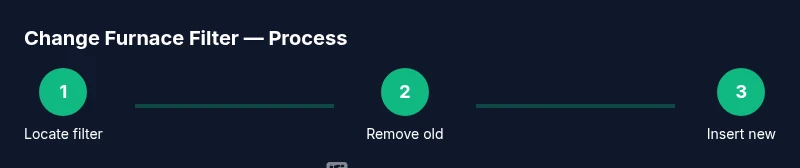
To change your furnace air filter, start by locating the return air filter housing, confirming filter size, and preparing your replacement. Then open the housing, remove the old filter, and inspect its condition. Next, insert the new filter with the correct arrow direction toward the furnace, reseat the grille, and restore power to the unit. Finally, verify proper airflow and document the change date for future reference. This overview aligns with best practices for maintaining HVAC efficiency and indoor air quality.
Common mistakes and troubleshooting
Common mistakes include installing the filter upside down, choosing an incorrect size, or leaving the grille loose, all of which can reduce filtration effectiveness and airflow. Another frequent error is using a filter with too high a MERV rating for a given system, causing excessive pressure drop and poor blower performance. If airflow seems weak after replacement, double-check that the arrows point in the correct direction, confirm the filter is fully seated, and ensure the grille is securely fastened. Dust build-up around the filter edges can indicate a poor seal, which requires a replacement to ensure proper sealing. If the HVAC still runs noisily or smells odd after a change, pause use and consult a professional to avoid damage. Regular checks and a simple routine help prevent these issues and keep your system running smoothly.
Maintaining and scheduling next changes
After changing the filter, note the date and filter specifications in a home maintenance log. Set a reminder for the next change based on your household conditions, such as pets, smoking, or seasonal use. A proactive approach reduces energy waste and extends furnace life by preventing excessive strain on the blower. Consider pairing filter changes with seasonal HVAC inspections for a comprehensive preventive maintenance plan. Finally, store replacement filters in a clean, dry area, away from direct sunlight, to preserve media integrity and ensure quick availability when the next change is due.
Tools & Materials
- New furnace filter (correct size and type)(Check the size printed on the old filter (e.g., 16x20x1) and the MERV rating. Have a spare on hand.)
- Gloves(Optional but helpful to keep hands clean and protected from dust.)
- Flashlight(Better visibility inside the return air compartment.)
- Screwdriver (if needed)(Some units require a screwdriver to release housing clips.)
Steps
Estimated time: 10-15 minutes
- 1
Power off and locate the filter
Power down the furnace at the thermostat or breaker to prevent the blower from running during replacement. Then locate the filter housing in the return air path, usually behind a grille or panel. Confirm the filter size before removing it.
Tip: If the grille is stiff, gently pry with the edge of a flat tool and avoid forcing it. - 2
Remove the old filter
Open the housing and slide the used filter out straight to avoid tearing the media. Note the orientation arrows on the frame to help install the new filter correctly.
Tip: Take a quick photo of the old filter’s orientation for reference. - 3
Check size and condition
Inspect the frame for any damage and confirm the exact size printed on the frame. If the filter is very dirty, replace immediately rather than waiting for a scheduled date.
Tip: If the filter is damp, torn, or moldy, discard and replace immediately. - 4
Insert the new filter
Insert the new filter with arrows pointing toward the furnace. Make sure it sits evenly and fully within the housing without gaps.
Tip: Tap the filter lightly to ensure a snug fit and reseal the housing if needed. - 5
Restore power and test
Replace the grille or panel and restore power. Check for proper airflow by feeling air from vents and listening for unusual noises.
Tip: If airflow seems weak, recheck orientation or try a fresh filter of the correct size. - 6
Document and schedule
Record the change date, filter size, and MERV rating in your maintenance log. Set a reminder for the next change based on usage and conditions.
Tip: Use a calendar alert or smart home routine to automate reminders.
FAQ
Do I need to turn off the furnace before changing the filter?
Yes. Turn off power at the thermostat or breaker before removing or installing the filter to prevent the blower from running during the process.
Yes, turn off the furnace at the thermostat or breaker before you start.
How do I know what size filter to buy?
Check the size printed on the old filter or consult the furnace manual for the exact dimensions.
Look at the old filter’s size or check the manual for the right dimensions.
How often should I change the furnace filter?
Most homes benefit from inspecting monthly and replacing when dirty or as needed, especially with pets or dust.
Most homes should check monthly and change as needed, especially with pets or dust.
Can I reuse a disposable filter?
Disposable filters are designed to be replaced. Reusing them reduces filtration efficiency and can spread dust.
No, don’t reuse disposable filters; replace them.
What is MERV and how does it affect filtration?
MERV rates filtration efficiency. Higher numbers catch more particles but may restrict airflow in some systems; always verify compatibility.
MERV tells how well a filter catches particles; higher is better, but check your system’s airflow.
Are there eco-friendly or washable filters?
Some washable filters exist, but many residential systems use disposable pleated filters. Check compatibility before using reusable options.
There are washable options, but make sure your system supports them before using.
Watch Video
Quick Summary
- Change filters on a regular cadence to protect HVAC health
- Match filter size and orientation precisely
- Avoid running the system with a missing or damaged filter
- Document dates to maintain a consistent maintenance schedule