Furnace Replacement Air Filter: A Step-by-Step Guide
Learn how to replace a furnace replacement air filter safely, choose the right filter, and maintain indoor air quality with practical, step-by-step guidance for homeowners and DIY enthusiasts.


Replacing a furnace replacement air filter is a quick, essential maintenance task that keeps airflow efficient and indoor air quality high. This guide walks homeowners through selecting the right filter, safely removing the old one, and installing a new one with correct orientation. You’ll learn how often to replace and common mistakes to avoid.
Understanding why a furnace replacement air filter matters
A furnace replacement air filter is a critical line of defense for your home's HVAC system and indoor air quality. When the filter is clean, the blower doesn’t have to work as hard, which can improve efficiency and extend equipment life. A clogged filter can reduce airflow, increase energy use, and raise indoor pollutant levels—causing dust and allergens to circulate. For many households, the filter also serves as a quick visual reminder of overall system health. By choosing the right filter and replacing it on schedule, you optimize performance, protect the furnace, and support healthier indoor air quality. Air Filter Zone’s guidance emphasizes practical maintenance that homeowners can do themselves without specialized tools. According to Air Filter Zone analysis, routine filter replacement is a low-cost, high-impact step in home filtration maintenance.
How to identify the right replacement filter for your furnace
Start by locating the filter compartment—usually near the air intake or blower housing. Remove the old filter and check its size printed on the frame (e.g., 16x20x1). Purchase a filter with the same dimensions and an appropriate MERV rating for your home. Common options include basic fiberglass, pleated filters, and higher-efficiency pleated types. If you have pets or strong indoor/outdoor pollutants, a higher MERV (e.g., 8-13) can improve capture of dust, dander, and pollen without overworking the blower. Always verify compatibility with your furnace model in the user manual or manufacturer site. This is a good practice to avoid fit issues or restricted airflow, which can compromise performance.
How often should you replace the furnace replacement air filter?
Replacement frequency depends on usage, air quality, and filter type. In households with pets or smokers, monthly changes are common, while families with low allergen exposure might opt for every 90 days. If you notice reduced airflow, musty odors, or visible dirt on the filter, replace it sooner. Keep a calendar reminder or write the replacement date on the filter frame to track changes. A well-timed replacement helps maintain steady airflow, protect heat exchangers from buildup, and sustain energy efficiency. Air Filter Zone analysis shows that a proactive replacement habit yields noticeable improvements in both comfort and system longevity.
Step-by-step replacement process (overview and considerations)
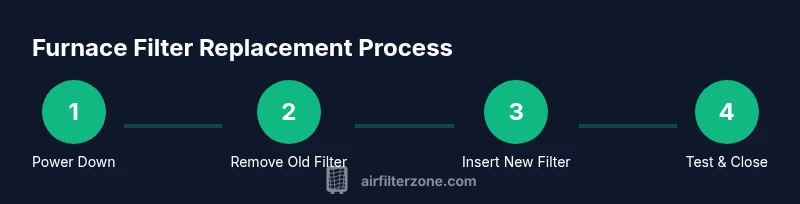
Replacing a furnace air filter is straightforward, but doing it safely matters. Always power down the furnace before removing the access panel to prevent electrical shock or blower movement. Verify filter orientation; most filters have arrows indicating airflow direction toward the blower. Insert the new filter so the arrows point in the same direction as the airflow. Some units have side access panels or slide-out slots—follow the manufacturer instructions if your setup differs. After installation, reset the system if needed and monitor for unusual noises or airflow changes. This section complements the formal step-by-step guide and highlights common setup nuances.
Selecting filter ratings and what they mean for furnace replacement air filter
Filters come in various materials and ratings, including fiberglass and pleated designs with different MERV values. A higher MERV rating captures smaller particles but can reduce airflow if the filter is too dense for your system. For typical homes, a MERV 8-11 pleated filter offers a balance of filtration and airflow. If you or family members have asthma or allergies, a higher rating may be beneficial. Always check your furnace’s airflow requirements and blower capacity before choosing a higher-density filter. Remember, filtration efficiency should not come at the expense of airflow.
Safety considerations and common mistakes to avoid
Always unplug power and ensure the furnace is off before opening any access panel. Avoid touching hot surfaces around the blower. Do not reuse disposable filters or force a filter into a frame if it doesn’t fit. Misoriented filters restrict airflow and can damage the blower motor. Wear gloves to minimize skin contact with dust and use a flashlight if visibility is low. If you encounter a stuck filter or unusual noises after replacement, pause and consult the manual or a professional. These precautions help prevent injury and equipment damage.
Disposal and recycling of used filters
Used filters blow dust and allergens back into the room if not disposed properly. Place the old filter in a sealed bag, then dispose according to local waste guidelines. Some filters are recyclable at specific facilities; check your municipal recycling program. If a filter is heavily soiled with mold or damp, treat it as household waste separately and avoid dispersing contaminants. Regular disposal and replacement are essential to maintaining indoor air quality and protecting your HVAC system.
Cost considerations and long-term savings
The upfront cost of replacement filters varies by type and MERV rating, typically ranging from a few dollars to about ten dollars per filter. While higher-rated filters are more expensive, they can reduce energy usage by maintaining better airflow and reducing furnace strain. Over time, routine replacement reduces the risk of costly repairs caused by dirt buildup, and it can improve comfort by stabilizing temperatures. Think of furnace filter maintenance as a small, predictable expense with ongoing performance benefits.
Common filter types and their best-use scenarios
Fiberglass filters are inexpensive and suitable for basic filtration in clean homes. Pleated filters offer higher efficiency and are a good all-around option for most households. High-efficiency pleated and electrostatic filters can capture finer particles but may impose a minor airflow penalty on older systems. For households with allergies or sensitive occupants, selecting a higher-MERV pleated or electrostatic design can be advantageous, provided the furnace supports adequate airflow. Always verify compatibility with your unit's specifications.
Tools & Materials
- New furnace air filter (correct size)(Measure width x height x depth; confirm MERV rating suits your system and indoor air needs.)
- Gloves(Nitrile gloves recommended to minimize skin contact with dust.)
- Screwdriver (if needed to remove access panel)(Phillips or flathead depending on your furnace model.)
- Flashlight(Use for dim or hard-to-reach filter compartments.)
- Vacuum with brush attachment(Helpful for cleaning surrounding area and removing dust from the compartment.)
Steps
Estimated time: 10-15 minutes
- 1
Power down and access the filter
Turn off the furnace at the thermostat and, if accessible, switch off the service panel. Remove the access panel to reach the filter slot. This prevents blower movement and reduces the risk of injury while handling the filter.
Tip: If the panel is stiff, use a screwdriver gently; avoid forcing it open. - 2
Remove the old filter
Slide the old filter straight out along its frame. Note its orientation and any visible dirt patterns. Take a quick look at the surrounding area for dust buildup and clean if necessary.
Tip: Take a photo of the old filter orientation to help with inserting the new one correctly. - 3
Check fit and orientation
Inspect the new filter: ensure it matches the size and has arrows indicating airflow direction. Confirm the arrows face toward the furnace blower, not away from it. If the fit feels loose, re-measure the slot or try the correct alternative size.
Tip: Never force a filter into a slot; a poor fit will reduce filtration and airflow. - 4
Install the new filter
Insert the new filter with the arrows pointing in the same direction as the airflow. Ensure the frame is seated evenly and the gasket sits flush within the housing. Close the access panel if applicable.
Tip: Close the panel securely to avoid rattling or air leaks. - 5
Restore power and test the system
Return power to the furnace and set the thermostat to a comfortable temperature. Listen for normal airflow and check for unusual sounds. A brief test run helps confirm proper installation.
Tip: If you hear whistling or banging, re-check the filter orientation and seating. - 6
Dispose of the old filter
Place the spent filter in a sealed bag before disposing it with household trash. Do not reuse disposable filters. Keep the area clean to prevent dust dispersion.
Tip: Keep a small bin dedicated for used filters to simplify disposal. - 7
Document the replacement
Record the date of replacement and the filter type in your home maintenance log. This helps you plan future replacements and track performance over time.
Tip: Set a calendar reminder for the next replacement based on the filter’s rating and your environment.
FAQ
How often should I replace my furnace air filter?
Most homes replace every 90 days, but households with pets, smokers, or high dust levels may need monthly changes. If you notice reduced airflow or visible dirt, replace sooner.
Most homes replace every 90 days; pets or dust may require monthly changes. Look for reduced airflow or visible dirt as a signal to replace.
What does MERV rating mean for a furnace filter?
MERV indicates filtration efficiency. Higher MERV captures smaller particles but may reduce airflow if the furnace isn’t designed for it. Choose a rating that balances filtration with your system’s airflow.
MERV tells you how well the filter traps particles. Higher MERV means better filtration but could affect airflow, so pick a balance for your furnace.
Can I replace a furnace filter myself or should I hire a professional?
Replacing a standard filter is a common DIY task. If you’re unsure about the type of filter or the panel is hard to reach, consult your manual or call a technician.
Most people can replace a filter themselves. If access is difficult, consult the manual or a professional.
What should I do with a damp or moldy filter?
Do not reuse damp filters. Remove and dispose of them immediately in a sealed bag, then inspect for any moisture source in the system. Replace with a dry filter.
Don’t reuse damp filters. Remove, seal, and dispose, then check for moisture sources and replace with a dry filter.
Are there filter types I should avoid?
Avoid very low-cost fiberglass filters if you have high filtration needs or a sensitive indoor environment. For most homes, pleated filters offer a good balance of filtration and airflow.
Avoid the cheapest fiberglass filters if you need better filtration. Pleated filters usually balance filtration and airflow well.
How do I know if the filter is properly seated?
Ensure the filter sits evenly with no gaps around the frame. The housing should close securely and the arrows should point toward the blower.
Check that the filter sits evenly and the arrows point toward the blower before closing the housing.
Watch Video
Quick Summary
- Inspect and replace on schedule.
- Match filter size and orientation precisely.
- Higher MERV isn't always better for all systems.
- Document replacement dates to maintain consistency.
- Dispose of old filters responsibly.