Where is the AC air filter? Locate and replace for optimal airflow
Learn where the AC air filter is located, how to access it safely, and steps to clean or replace for better airflow and indoor air quality. Practical guidance for homeowners, DIY enthusiasts, and car owners who want a quick, reliable locate-and-maintain guide from Air Filter Zone.


Goal: Locate your AC air filter, identify its housing, and determine whether cleaning or replacement is needed. This quick guide covers common locations (return air grille, furnace/air handler cabinet, and cabinet behind access panel), how to safely access the filter, basic inspection steps, and when to replace versus clean for better efficiency and air quality.
Understanding the function of an AC air filter
An air filter in an air conditioning system is a simple but vital component. Its primary job is to trap dust, pollen, pet dander, and other airborne particles before they reach the blower and coils. By doing so, it protects sensitive equipment from buildup that can reduce airflow and efficiency. A clean filter also reduces the amount of irritants circulating in your home, contributing to better indoor air quality for people with allergies or respiratory conditions. If you are asking where is ac air filter, the short answer is that the location is usually along the return air path: near the furnace or air handler in central systems, or behind a front grille or access panel in many window units. The filter should be easy to access, and its frame will show arrows indicating the direction of airflow. Over time, filters collect dust and debris, which can restrict airflow and force the system to work harder, potentially increasing energy use and wearing out components. Regular checks help you catch a dirty filter before it causes noticeable problems.
Where to look: common housing locations
In central HVAC setups, the air filter is typically located in the return air duct pathway. You’ll often find a grille on the wall, ceiling, or near the furnace room, with a removable panel behind which the filter sits. For air handlers or furnaces inside closets or basements, the filter is in a dedicated slot just behind the service access panel. Some newer systems use a horizontal slot inside the blower cabinet; others place the filter behind the front plenum. Window air conditioners usually have the filter behind the outer front grille or inside a small access panel on the side or back, depending on model. If you’re unsure, consult the user manual or check for the filter frame’s size printed on the edge. Looking for arrows indicating airflow direction helps ensure you install the filter correctly. Remember that “where is ac air filter” is often answered by locating the return path rather than chasing the coils themselves. A quick visual check can save you time when you’re preparing for replacement.
Types of AC filters and what they mean for location
Filters vary in material, efficiency, and size, but most share a few location patterns. Fiberglass or basic disposable filters are common in older systems; pleated media filters offer higher efficiency and may have a thicker frame, which slightly alters the housing depth. Washable/reusable filters exist in some systems and require periodic cleaning rather than replacement. Regardless of type, the filter slides into a slot or frame with airflow arrows pointing toward the blower. Many filters are sized by thickness (e.g., 1 inch, 2 inch, 4 inch) and width/height, so you’ll need to know the exact measurements before buying replacements. Some systems specify a MERV rating, which influences both filtration level and the required space in the housing. When replacing, ensure the new filter fits snugly and that the arrows align with the unit’s airflow direction. If you’re searching online or in-store, phrase it like: “filter size X by Y inches” to find a correct match. The exact physical location remains similar, but the replacement filter’s design can affect how you access it.
How to access the filter safely
Safety comes first when you reach for the filter. Begin by turning off power to the unit at the thermostat and at the main service panel to prevent the fan from starting unexpectedly. Remove any decorative grilles or panels carefully, keeping track of screws or fasteners. Gently slide the filter out, noting the direction of the airflow arrows on the frame. If you see rust, moisture, or mold around the housing, address those signs before reinserting a new filter. Wearing gloves can reduce skin irritation, and a flashlight helps you see into tight corners. After removing the old filter, wipe the slot with a microfiber cloth to remove built-up dust. If the slot is unusually dirty or damaged, consider replacing the entire filter frame or seeking professional help. Finally, ensure the housing closes tightly and there are no gaps where air can bypass the filter. A secure seal improves cooling efficiency and reduces energy waste.
Cleaning vs replacement: when and how
Most disposable filters are designed to be replaced rather than cleaned. If your filter is labeled washable, rinse it under cool running water and let it dry completely before reinsertion; never use hot water or detergents that could degrade filtration material. Inspect after washing to confirm all dust is removed and that the fibers remain intact. If a filter is heavily clogged or damaged, replacement is the safer choice. When in doubt, err on the side of replacement—filters that are noticeably clogged, bent, or torn should not be reused. For households with pets, smokers, or high dust, more frequent checks are advised. Finally, always verify that the new filter is the correct size and orientation before resealing the housing. Regular maintenance saves energy and extends the life of your air conditioner.
Quick locate and inspect workflow
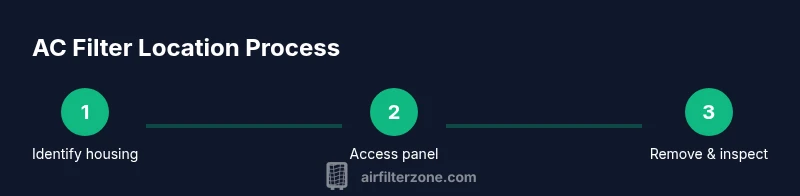
If you’re short on time, use a quick workflow to locate and inspect a filter. Begin at the most common location: the return air grille near the furnace. Open the panel; slide out the filter; look at the edge for size. Compare to your filter stock. If the filter is dirty after 2-3 months of use, plan for replacement. For central systems with a separate air handler, the filter often sits behind an accessible panel or cabinet. If the housing is behind a closet door, remove the door and locate a narrow slot. When you reinsert, ensure arrows point toward the blower. If you find moisture or mold in the housing, stop and address it before restarting the unit. This workflow helps you quickly determine whether you can clean or replace in one visit.
Tools and tips for tricky layouts
Because AC filters sit in different shapes, you may encounter tight spaces. A flexible magnetic flashlight, bendable needle-nose pliers, or a thin screwdriver can help access panels without forcing parts. If a filter sits behind a tall cabinet, you may need to temporarily relocate items to create space. Always handle panels gently to avoid bending metal housings. When reinstalling, test airflow by placing your hand near the return grille; you should feel a consistent breeze. If you don’t, check that the filter is positioned correctly and that the housing is sealed. The goal is a clean path for air to flow from the room into the filter toward the blower.
Maintenance calendar and best practices
Create a simple schedule: inspect every month, replace every 90 days under typical conditions, and adjust to more frequent replacements in dusty or pet-heavy homes. Mark dates on the calendar or set reminders on your phone. After each replace, reset your HVAC’s airflow settings and confirm there are no drafts around the filter housing. In homes with multi-stage or variable-speed systems, consult the user manual for recommended replacement intervals. If you manage air quality for a workshop, consider higher-efficiency filters and more frequent changes.
Real-world scenarios and quick troubleshooting
Apartment living often features narrow returns; use compact 1-inch filters and ensure the slot isn’t blocked by debris around the grille. In detached homes, larger filters and longer slots may require access from the attic or crawlspace. Seasonal changes can affect clog rates, with more dust during heating months. If airflow seems weak after replacing, verify the filter orientation, check for air leaks around the housing, and ensure the blower is running. If you smell burning plastic or notice smoke, shut off power and contact a professional immediately.
Tools & Materials
- Flathead or Phillips screwdriver(For panels or screws if present)
- Replacement air filter (correct size)(Choose pleated filter with appropriate MERV rating)
- Flashlight(Bright beam to inspect behind panel)
- Microfiber cloth(Wipe surfaces and inspect grooves)
- Vacuum with brush attachment(Useful to remove dust from housing)
- Gloves(Protect hands from dust)
Steps
Estimated time: 25-40 minutes
- 1
Power down the unit
Turn off the thermostat and switch off the furnace or air handler at the service panel to prevent the fan from starting unexpectedly. This reduces the risk of injury and accidental startup while you work.
Tip: Double-check that the system is fully off before touching any internal parts. - 2
Locate the filter housing
Identify the most common locations: return air grille near the unit, the furnace or air handler cabinet, or a panel behind a closet door. If unsure, consult the model manual to confirm the exact location.
Tip: Use the user manual or model label to confirm the filter location precisely. - 3
Open the housing
Carefully remove the access panel or grille to reveal the filter slot. Keep screws and fasteners in a small container so nothing is misplaced.
Tip: Support the panel as you remove it to avoid bending the frame. - 4
Remove the old filter
Slide the filter straight out along its slots, noting the airflow arrows on the frame to ensure correct reinstallation.
Tip: If the filter is stubborn, gently rock it—do not force it through the slots. - 5
Inspect and measure
Check the dirt level and verify the filter size printed on the edge. Record the size for future purchases and look for signs of damage such as tears or warped borders.
Tip: A worn edge or torn frame means replacement is necessary rather than cleaning. - 6
Clean or replace
If washable, rinse with cool water and allow to dry completely before reinsertion. If disposable, replace with a new filter of the same size and rating.
Tip: Do not reuse a heavily soiled filter; replacement is safer and more effective. - 7
Reinstall the filter
Insert the filter with the arrows pointing toward the blower, and reseal the housing securely to prevent bypass air.
Tip: Make sure there’s a tight seal all the way around. - 8
Restore power and test
Turn the unit back on and run on fan mode for a few minutes to confirm good airflow and listen for abnormal noises. If airflow remains weak, recheck that the filter orientation is correct and that the housing is sealed.
Tip: If you hear rattling or buzzing, stop and inspect the panel and filter placement again.
FAQ
How often should I replace an AC air filter?
Most central HVAC and window units benefit from replacement every 1-3 months, depending on usage and environment. If you have pets or live in a dusty area, you may need more frequent changes.
Typically every 1 to 3 months, depending on use and environment.
Can I wash a disposable filter?
Disposable filters are not designed to be washed. Washing can damage the filtration media and promote mold growth. Replace with a new filter per the manufacturer’s guidelines.
Don’t wash disposable filters; replace them instead.
Where is the filter located on a window AC unit?
In most window units, the filter sits behind the front grille or behind a removable panel on the side or back. Remove the grille, slide out the filter, and inspect.
Usually behind the front grille on window units.
What are signs of a dirty filter?
Visible dirt, reduced airflow, higher energy use, and unusual noises can indicate a clogged filter that needs replacement.
Look for visible dirt and weak airflow.
Do car AC filters require the same care?
Yes, car AC filters exist and require periodic replacement per the vehicle manual. Access locations vary by model, often behind the glove box or under the hood.
Check your car’s manual for filter location and replacement schedule.
Are washable filters reusable after drying?
Washable filters must be dried completely before reuse; improper drying can promote mold. Follow the manufacturer’s drying instructions and recheck fit.
Wash and dry completely before reuse.
Watch Video
Quick Summary
- Identify the filter housing before touching parts
- Power down the unit to prevent injury
- Replace disposable filters and clean washable ones completely
- Check for a tight seal after reinstalling
- Set reminders for regular inspections