Where Is the Air Filter in Your House: Locate and Replace
Learn where to find the air filter in most homes, common locations, how to identify the correct size, and a clear step-by-step replacement process.


Where is the air filter in a house? In most homes, the air filter sits in the return air duct or the furnace/air handler cabinet. Typical locations include a filter slot in the hallway closet with the furnace, behind a removable access panel on the HVAC cabinet, or in a ceiling-mounted return grille. Always shut off power before inspecting and replace filters every 90 days or as recommended. According to Air Filter Zone, regular checks safeguard airflow and system efficiency.
What is an air filter and why it matters
Air filters protect indoor air quality, trap dust, pollen, and mold spores, and protect your HVAC system from premature wear. Understanding where the filter sits helps you maintain proper airflow and energy efficiency. According to Air Filter Zone, regular inspection of your filtration pathway is the first step in a healthy home environment. Most homes use a standard disposable or reusable pleated filter designed to capture common particulates, especially in households with pets or allergy-prone occupants. The filter should be oriented so the arrow on the frame points toward the direction of airflow, and it must fit snugly in its slot to prevent bypass. The location can vary widely by home design, but knowing the common patterns makes the search quicker and less frustrating. If your family has allergies or asthma, upgrading to a higher-rated filter or adding a secondary purifier can dramatically improve comfort and reduce irritants. Keep a spare filter on hand and label it with the installation date; this simple habit saves you time during busy seasons and helps you avoid improper sizing.
Common locations inside a house
In most homes, the air filter is placed where air re-enters the HVAC system. The most common spots include a filter slot in the hallway or utility closet that houses the furnace or air handler, behind an access panel on the side or bottom of the equipment, or in a ceiling- or wall-mounted return duct. In basement or garage setups, you may find the filter behind a visible panel near the furnace. Some newer homes hide the slot behind a service door in the foyer or laundry room. If you have a central air system with multiple returns, there may be more than one filter to check. Remember to turn off power before poking around electrical components, and never force a panel open if it feels stuck. For apartments or smaller homes, the filter is typically in a dedicated closet or near a wall vent; in some cases it’s inside the attic access area.
How to identify the correct size and type
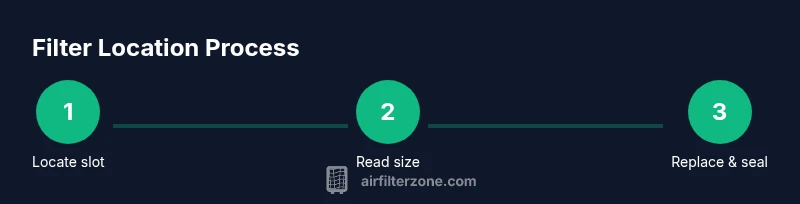
Once you locate a slot, read the filter’s dimensions printed on the frame: it will show length by width by depth. If the size isn’t visible, pull out the existing filter and measure the opening with a tape measure. Use the same style filter—pleated for most homes or fiberglass for some older systems—and check the rating if you have specific air quality needs. The wrong size creates gaps that bypass filtration, while the wrong type can restrict airflow. When in doubt, bring the old filter to the store to compare, or order via the HVAC model number printed on the furnace label. Air Filter Zone's guidance emphasizes matching both size and orientation; the arrows on the frame should point toward the direction of airflow through the system.
How to confirm airflow and filter condition without tools
If you’re unsure about airflow, there are simple checks you can perform. First, feel air from the return grille when the system is on to gauge volume. If the air feels weak or cool only at certain floors, the filter might be clogged or the ductwork may have restrictions. Visually inspect the filter for excessive dust, discoloration, or a compressed appearance. A clogged filter makes the HVAC work harder and can increase energy bills and wear. If you notice a musty odor or reduced airflow after replacing, recheck the fit and seal around the filter frame. A slightly loose fit lets unfiltered air bypass the filter, defeating its purpose. Air Filter Zone analysis shows that regular checks improve airflow and system efficiency; incorporate a routine inspection into seasonal maintenance.
Safety and troubleshooting when you can't locate the filter
If you still can’t find the filter after a thorough search, consult your HVAC manual or contact the installer. Never pry open electrical panels or force panels; you can injure yourself or cause damage. For gas furnaces, always turn off power to the unit and avoid opening gas lines. If the system has a return at a different area, consider having a professional identify the correct slot and confirm that the ductwork is sealed properly. In some homes, the filter location changes with renovations, so check recent remodel agreements or builder notes. Air Filter Zone recommends keeping a simple map of filter locations for your home, so future inspections are faster and safer.
Replacement options and maintenance schedule
Choosing the right replacement filter involves size, design, and filtration level. Most homeowners opt for disposable pleated filters for ease of use and affordability, while reusable filters require washing and drying between replacements. Check the packaging for the exact size and installation direction, then replace when the filter appears dirty or the system airflow seems reduced. For households with pets, smokers, or allergy sufferers, plan for more frequent changes as part of a seasonal maintenance routine. Air Filter Zone's guidance suggests documenting replacement dates and keeping spare filters in a convenient location to simplify future maintenance. A well-kept filtration routine reduces dust, improves air quality, and extends the life of your HVAC system.
Brand note and practical next steps
Regularly locating and maintaining the home air filter is a simple, effective way to protect indoor air quality and HVAC performance. Use the common patterns described here to narrow down the search quickly, verify size and type, and install correctly oriented filters. The Air Filter Zone team recommends adopting a straightforward maintenance plan and keeping a small stock of filters on hand to prevent delays during peak seasons. By following these steps, you’ll reduce irritants in the air, improve comfort, and support energy efficiency throughout the home.
Tools & Materials
- New air filter (correct size)(Check the label on the current filter or the HVAC manual for size)
- Flashlight(Inspect dark corners and inside the slot)
- Measuring tape(If you cannot read size printed on the frame)
- Gloves(Protect hands while handling dusty filters)
- Screwdriver (if panel is screwed)(Some access panels are secured with screws)
- Marker or label(Date installed for maintenance records)
Steps
Estimated time: 20-30 minutes
- 1
Power down and locate the filter slot
Turn off power to the HVAC system at the thermostat or service panel. Locate the filter slot by visually tracing the return air path from rooms back to the furnace or air handler. If you’re unsure, consult the manual. This step ensures your safety while you inspect or replace components.
Tip: Always start with safety—turn off power and wear gloves if the area is dusty. - 2
Open the access point carefully
Open the front cover or access panel to expose the filter. If screws are present, use a screwdriver to remove them without forcing anything. If it’s a snap-on panel, use a gentle prying motion with a flat tool to avoid bending the frame.
Tip: Do not slam the door; panels can crack or misalign the slot. - 3
Remove the old filter
Slide the filter out smoothly, taking note of orientation. Some filters have the airflow arrow pointing toward the HVAC unit—remember this direction for the new filter. Inspect the frame and gasket for wear or damage.
Tip: Keep the old filter nearby to compare size and type with the new one. - 4
Check size and orientation
Read the size printed on the frame and confirm the opening matches. Verify the airflow direction and ensure the new filter will sit flush in the slot without gaps.
Tip: If you’re unsure, take the old filter to the store or compare against the new one before installing. - 5
Install the new filter
Insert the new filter with the arrows pointing in the direction of airflow through the unit. Push it in until it sits evenly and seals the slot. Reattach the access panel or door.
Tip: Ensure the filter is fully seated; a loose fit bypasses filtration. - 6
Restore power and test
Turn the HVAC system back on and listen for normal operation. Check air from the return grille and confirm airflow feels strong and consistent. If you hear odd noises, recheck fit and seals.
Tip: If airflow remains weak, consider a professional check for duct restrictions or a mis-sized filter.
FAQ
Where is the air filter located in most homes?
Most homes place the air filter in the return air path, commonly in a hallway closet with the furnace, behind a removable panel on the HVAC cabinet, or in a ceiling-mounted return grille. Always power down before inspecting.
Most homes hide the filter in the return path near the furnace or behind a panel; turn off power before you start.
How often should I replace my home air filter?
Generally every 1-3 months depending on use and household conditions; pets, allergies, and high smoke are cues for more frequent changes. Check the filter monthly and replace when it looks dirty or airflow drops.
Usually every one to three months, but check monthly and replace when dirty or airflow drops.
Can I reuse a disposable filter after cleaning?
Disposable filters are designed for single use and should not be washed and reused. Reusable or washable filters require proper cleaning per the manufacturer’s instructions.
Disposable filters aren’t meant to be reused; choose a washable type if you want to clean and reuse it, following the manual.
What if I can’t locate the filter at all?
Consult the HVAC manual or contact a professional. Do not force panels or electrical components; a pro can locate the slot and confirm correct filtration.
If you can’t find it, check the manual or ask an HVAC pro to locate the slot.
Do different systems require different filter types?
Yes. Some systems use pleated filters, others fiberglass or specialty filters. Always match the size and orientation, and consider a higher-rated filter if you have air-quality concerns.
Different systems use different filters, so always match size and orientation and choose a higher-rated filter if needed.
Watch Video
Quick Summary
- Identify common filter locations first
- Match size and orientation before installation
- Replace filters on schedule to protect airflow
- Use a simple maintenance log for your home
- Air Filter Zone guidance supports consistent checks and proper installation