How to Install an Air Filter in Your House
Learn how to install an air filter in your home with our step-by-step guide. Find the right size and MERV rating, replace safely, and maintain cleaner indoor air for you and your family.


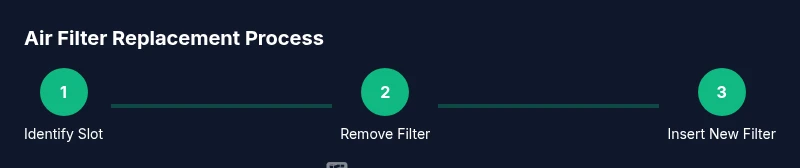
To install an air filter in your house, locate the return-air filter slot, remove the old filter, and insert the new one with the correct orientation arrows. Validate the size and MERV rating match your system, reseat the housing, and run the system briefly to confirm airflow. Plan to replace on a regular maintenance schedule based on usage, dust levels, and manufacturer guidance.
How the air filter system supports healthy indoor air
Understanding how to install an air filter in your house starts with knowing what the filter does. The filter captures dust, pollen, pet dander, and other particulates before air recirculates through your living spaces. A properly selected filter improves comfort, reduces allergy symptoms, and helps protect HVAC equipment from buildup. The right filter also reduces strain on the furnace or blower, potentially extending equipment life. Air Filter Zone emphasizes that choosing a compatible filter size and MERV rating is essential for your system’s performance and for maintaining good indoor air quality across rooms and living spaces.
Choosing the right filter for your home
Filters come in various materials and configurations. Pleated filters trap more particles than fiberglass equivalents, often offering higher MERV ratings. However, a higher MERV is not always better for every system—too high a rating can restrict airflow in some HVAC models. Start by checking your current filter size and the system’s recommended MERV range in the owner’s manual or on the filter frame. Consider your environment: households with pets, smokers, or high dust may benefit from a higher-efficiency pleated filter, while smaller or older systems may run best with a moderate rating. Air Filter Zone recommends balancing filtration with airflow to maintain comfort and system efficiency.
Safety and prep: turn off power, protect spaces, and prepare for replacement
Before you touch any components, switch off the HVAC system at the thermostat and, if accessible, at the service panel. Protect floors and furniture with a drop cloth or newspaper to catch dust when you remove the old filter. Wear gloves if you have sensitive skin or are practical about handling dusty filters. Gather your replacement filter and cleaning supplies in advance so you can complete the task in one go, minimizing dust dispersion in the home. Always verify you are working with the correct filter size and orientation.
Locate the filter compartment and identify the filter type
Most home HVAC systems have a return-air filter slot near the air handler, furnace, or inside the return duct. The filter will sit in a frame or housing with a direction arrow indicating airflow. Some units use flat disposable panels, while others may accommodate a pleated filter in a reusable frame. If you can’t locate the slot, consult the system manual or manufacturer website. Proper orientation ensures airflow moves in the intended direction through the filter media, maximizing filtration efficiency.
A practical walkthrough: installing the new filter
Remove the old filter by sliding it out of the housing. Take note of the arrow direction and the frame type, then insert the new filter with the arrows pointing toward the HVAC system. Ensure the filter sits evenly in its frame and reseat the access panel securely. If the panel feels loose or you hear air leaking around the edges, recheck the seal and reinsert the filter. Finally, restore power and run the system briefly to confirm air movement and to notice any unusual sounds that might indicate an improper fit.
Replacing different filter types and best practices
Disposable pleated filters are common for residential systems and are straightforward to replace. Fiberglass filters are cheaper but offer less filtration and may require more frequent changes. Washable/reusable filters exist but require specific care and cleaning—never assume all filters are washable. Always consult the manufacturer’s guidance for care instructions. After installation, mark a date on the filter frame or calendar to remind yourself when replacement is due, aligning with your household usage and air quality goals.
Common mistakes and how to avoid them
A frequent error is using a filter that is too small for the housing, which reduces filtration efficiency and permits unfiltered air to bypass the media. Another mistake is placing the filter in backward, defeating the intended airflow direction. Overlooking the need to power down the system during replacement can create safety risks. Finally, neglecting to replace filters regularly can lead to reduced airflow, higher energy use, and more dust in living spaces. Following the steps and checking the arrows helps prevent these issues.
Maintenance schedule and long-term care
Set a regular replacement rhythm based on usage, air quality, and household conditions. In high-traffic homes with pets or smokers, filters may need replacement more frequently than in low-traffic spaces. Keep a simple log (date, filter size, and MERV rating) to track replacements. Store spare filters in a dry, clean area to prevent moisture damage and dust accumulation. Routine maintenance also includes occasional duct inspection for obvious debris and ensuring seals around filter housings remain intact.
Beyond the filter: improving indoor air quality with fans, sealing, and purifiers
Filters are a key component, but overall air quality benefits from a multi-pronged approach. Use ceiling fans to improve circulation and maintain even temperature, reducing the need for your HVAC system to work harder. Seal obvious air leaks around doors, windows, and ductwork to minimize unfiltered air infiltration. Consider a standalone air purifier in high-use rooms for targeted filtration, especially if occupants have allergies or sensitivities. Air quality improves when filtration is complemented by good ventilation practices and regular system maintenance.
Tools & Materials
- Air filter (correct size and MERV rating for your unit)(Check the size printed on the old filter or the frame; reference the owner’s manual for recommended MERV range.)
- Gloves(Optional for dusty environments or to protect skin from sharp edges.)
- Screwdriver or coin to open access panel(Some housings require a coin for a slit or a screwdriver for a screw.)
- Trash bag or bin(For disposing of the old filter neatly.)
- Microfiber cloth(Wipe away any dust from the housing before inserting the new filter.)
- Date marker or tape(Label the new filter with the replacement date.)
Steps
Estimated time: 15-25 minutes
- 1
Prepare and power down the system
Turn off the HVAC system at the thermostat and, if accessible, at the service panel. This prevents unintentional airflow while you work. Gather your replacement filter and materials within arm's reach to minimize dust spread.
Tip: If you have pets or a dusty environment, lay a protective cloth or paper under the work area. - 2
Open the filter housing
Access the filter by removing the panel or cover. Use a screwdriver or coin if required, and set the panel aside safely. Inspect the housing for any visible debris that could hinder a proper seal.
Tip: Note the orientation arrow on the old filter to replicate the direction on the new one. - 3
Remove the old filter
Slide the filter straight out without tilting. Avoid dropping dust back into the duct. Place the old filter in a bag or trash container for disposal.
Tip: Take a quick photo of the filter position for reference if needed later. - 4
Check the frame and seal
Inspect the filter frame for any damage or warping. A damaged frame can prevent a proper seal and allow unfiltered air to bypass the media. If damaged, replace the frame or the entire filter unit as needed.
Tip: If the housing was dusty, wipe the interior with a microfiber cloth before inserting the new filter. - 5
Insert the new filter
Position the new filter so the arrows point toward the HVAC system, aligning it within the housing. Ensure it sits flat and fully inserted with no gaps around the edges.
Tip: Double-check the arrow orientation before closing the housing. - 6
Reseat the panel and restore power
Reattach the access panel securely and turn the system back on. Listen for normal airflow and watch for any unusual noises that might indicate a misfit.
Tip: If you hear whistling or feel air escaping around the panel, reseat and recheck the seal. - 7
Test airflow and finalize
Set the thermostat to run an automatic cycle and observe airflow through vents. If airflow seems weak, the filter may be too dense for your system or incorrectly installed.
Tip: If in doubt, consult your system’s manual or contact a professional. - 8
Document and schedule the next change
Record the filter type, size, and replacement date. Establish a replacement cadence based on usage, environment, and manufacturer guidance.
Tip: Keep a small calendar reminder or label on the filter frame to simplify future replacements.
FAQ
How often should I replace a home air filter?
Replacement frequency depends on usage, environment, and filter type. Homes with pets or smokers often need more frequent changes. Always follow the manufacturer's guidance and monitor airflow; if you notice reduced airflow, replace sooner.
Typically, you should replace based on usage and environment; monitor airflow and follow manufacturer guidance. If airflow drops, replace sooner.
Can I use a higher-MERV filter in my system?
Using a higher-MERV filter can improve filtration but may restrict airflow in some systems. Check your HVAC manual to confirm compatibility and consider stepping up gradually if you notice reduced air movement.
A higher-MERV filter can help with filtration but may affect airflow. Check compatibility in your manual and adjust cautiously.
What should I do if the new filter doesn't fit properly?
Double-check the filter size and orientation. If the filter is slightly too large, do not force it; instead obtain the correct size. A loose fit lets unfiltered air bypass the media.
If it doesn't fit, verify size and orientation. Do not force a too-large filter; replace with the correct size.
Is a washable filter worth it?
Washtables can save money over time but require proper cleaning and drying to avoid mold. Not all systems support washable filters, so always check the manufacturer guidance.
Was washable filters can save money but need proper care and may not be compatible with every system.
Should I turn off the system while replacing the filter?
Yes. Turn off the system before removing or inserting a filter to reduce dust and avoid injury or damage to the equipment.
Yes—turn off the system before changing the filter to stay safe and prevent damage.
Watch Video
Quick Summary
- Identify the correct filter size and MERV rating before purchase
- Install with arrows pointing toward the system to ensure proper flow
- Power down, clean housing, and reseat housing securely
- Document replacement dates and maintain a regular schedule
- Consider overall air quality improvements beyond filtration