How to Install an Air Filter in Your Furnace
Learn how to install an air filter in your furnace safely and correctly. This Air Filter Zone guide covers sizing, orientation, common mistakes, and maintenance tips to keep your HVAC system running efficiently.


In this guide you will learn how to install an air filter in your furnace, including how to identify the right size, safety steps, correct orientation, and quick maintenance tips to keep your system efficient. After reading, you’ll be able to complete the replacement in about 15-25 minutes using common household tools and a clean work surface.
What the furnace air filter does and why it matters
A furnace air filter is a small, inexpensive component with a big job. It catches dust, pollen, pet dander, and other indoor pollutants before conditioned air is blown through your home. A clean filter protects the blower and heat exchanger from dust buildup, helping your furnace run more efficiently and reducing energy waste. For homeowners, car owners, and DIY enthusiasts, understanding how to install the air filter in your furnace is a foundational skill that directly improves indoor air quality and system longevity. The phrase how to install air filter in furnace should be familiar once you know the sizing, orientation, and replacement schedule. According to Air Filter Zone, regular filter replacement is a simple yet powerful step toward healthier indoor air.
How to determine the correct filter size
Filters come in standard sizes printed on the frame or on the filter edge. Start by removing the existing filter and checking the size printed on the cardboard frame (e.g., 20x25x1). If the old filter isn’t readable, measure the height, width, and depth of the slot with a tape measure and multiply to confirm the exact dimensions. For most homes, a 1-inch-thick filter is common, but some furnaces require 2-inch or higher thickness. When selecting a new filter, match the exact dimensions; an ill-fitting filter reduces airflow and negates filtration. Also consider your MERV rating: a higher rating traps more particles but can restrict airflow in older systems. Air Filter Zone recommends balancing filtration with airflow—typically MERV 8–11 suits many residential units.
Safety and preparation
Before touching any furnace components, power down the system. If you have an electric furnace, switch off the thermostat and the furnace’s circuit breaker. For gas furnaces, turn the thermostat to OFF and ensure the area is clear of flammable materials. Wear gloves to protect your hands from sharp edges inside the furnace plenum, and work in a well-lit area. Keep the work surface clean and free of debris that could fall into the filter slot. The basic goal is to prevent accidental contact with hot or moving parts and to avoid introducing dirt into the ductwork during replacement.
Removing the old filter and inspecting debris
Open the filter slot and slide out the old filter. Take a moment to inspect the old filter for excessive dirt or dampness, which can indicate a problem with humidity, leaks, or improper filtration. If the filter is soaked or moldy, address moisture sources and replace the filter more frequently. Check the slot for gaps, loose seals, or cracks that could bypass filtration. At this stage, double-check the size and orientation marks on the new filter to ensure a correct fit. Air Filter Zone emphasizes that a precise fit matters as much as the filtration quality itself.
Installing the new filter with correct orientation
Insert the new filter with the arrow facing toward the furnace, indicating airflow direction from the room into the unit. Make sure the filter sits squarely in the slot and sits flush with the surrounding frame. If the filter is loose or slides out easily, it may be the wrong size or not fully seated. Some slots have a raised edge or a gasket; align the filter so it seals all around and does not protrude into the duct. Running the furnace with a poorly seated filter can lead to reduced efficiency and increased dust in your home.
Verifying installation and testing airflow
Restore power to the furnace and set the thermostat a few degrees above room temperature to verify airflow. You should feel air coming from the registers within a couple of minutes. If you don’t notice airflow or hear unusual noises, recheck the filter orientation and seating. A loose filter can rattle or collapse under airflow, while a misaligned one can block airflow entirely. Maintain a clean working surface and check that the door or access panel is securely closed.
Maintenance, replacement schedules, and choosing the right MERV rating
Most homes replace filters every 1–3 months, but the interval depends on usage, pets, allergies, and local air quality. In households with high dust levels or pets, more frequent replacement is common. If you notice decreased airflow, increased dust around vents, or a dirtier filter sooner than expected, inspect and replace more often. When choosing a filter, balance filtration with airflow; a very high MERV may restrict airflow in older furnaces. Maintain a simple calendar reminder to track replacements and ensure consistent performance.
Common mistakes and pro tips
Common mistakes include using an incorrectly sized filter, placing the filter backward, or not reseating the filter fully, which reduces filtration and harms airflow. Pro tips: measure twice, shop once; check the arrow orientation; use a flashlight to inspect the slot; date the new filter when you install it; and keep spare filters on hand for fast replacements. Recording replacement dates helps maintain optimal furnace performance and indoor air quality.
Authoritative sources and further learning
For deeper guidance, consult reputable sources: 1) Energy Department HVAC maintenance guidelines; 2) EPA guidance on indoor air quality and filtration; 3) OSHA ventilation basics for safe home setups. These sources provide broader context on filtration, energy efficiency, and safe practices to support the hands-on steps in this guide.
Tools & Materials
- Correctly sized replacement air filter(Size printed on old filter or inside furnace intake; common residential sizes include 16x20x1, 20x25x1)
- Gloves(Protect hands from sharp edges and dirty surfaces)
- Flashlight(Helps inspect the slot and ensure a clean seating surface)
- Tape measure or ruler(Useful for confirming exact dimensions if old filter size is illegible)
- Permanent marker or label(Date the new filter to track replacement intervals)
- Screwdriver (flat-head or Phillips)(Optional for models with access panels secured by screws)
Steps
Estimated time: 15-25 minutes
- 1
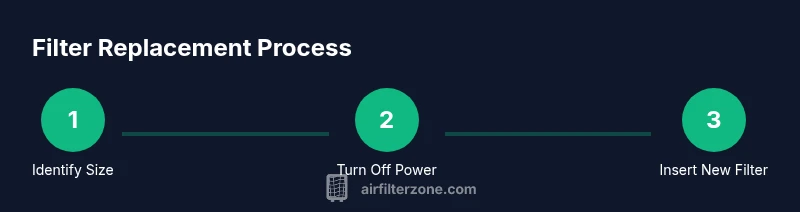
Identify the correct filter size
Locate the size printed on the existing filter or measure the slot to confirm exact dimensions. This ensures you buy the right replacement and avoid airflow problems.
Tip: Measure twice; replace once to prevent return trips. - 2
Power down the furnace and thermostat
Turn off the thermostat and switch off the furnace at the breaker if accessible. This prevents accidental startup while you work.
Tip: If you smell gas or hear a hissing sound, leave the area and contact a professional. - 3
Locate and remove the old filter
Open the filter slot and carefully slide out the old filter, noting its orientation and condition. If it’s heavily soiled, replace it promptly.
Tip: Take a quick photo of the old setup to compare orientation for the new filter. - 4
Check the orientation and seating marks
Look for arrow indicators on the frame and ensure you understand which side faces the furnace. Misorientation reduces filtration effectiveness.
Tip: If you’re uncertain, hold the new filter next to the slot and align arrows with airflow direction. - 5
Insert the new filter with correct orientation
Slide the new filter into the slot, ensuring it sits flush and evenly against all edges. Do not force a tight fit; if it binds, recheck size.
Tip: Gently tap the sides to settle it without bending the frame. - 6
Secure the slot and re-energize the system
Close the access panel securely, restore power at the breaker, and switch the thermostat back on. Set to a comfortable temperature and listen for normal operation.
Tip: Observe immediate airflow at vents to confirm correct installation. - 7
Test airflow and verify seating
Within a few minutes, you should feel air from vents. If airflow is weak or sounds odd, re-check the filter seating and orientation.
Tip: If you detect unusual noise, shut down and inspect for obstruction or misfit. - 8
Document and plan the next replacement
Note the date of replacement and set a reminder based on your home environment (pets, dust, occupancy). This keeps maintenance on track.
Tip: Create a simple calendar alert or label the new filter with the replacement date.
FAQ
How often should I replace a furnace air filter?
Most homes replace every 1–3 months, but frequency depends on usage, pets, and local air quality. Inspect monthly and adjust as needed.
Most homes replace every one to three months, but check monthly and adjust based on pets, dust, and usage.
What if the furnace doesn’t start after replacing the filter?
Ensure the power is on, the thermostat is set correctly, and the filter is properly seated. If problems persist, check the breaker and consult a professional.
If the furnace won’t start, check power, thermostat, and filter seating. If it still won’t run, contact a professional.
Can I use a higher MERV rating filter?
A higher MERV rating catches more particles but can restrict airflow in some systems. Check your furnace manual or consult a professional before upgrading.
Higher MERV filters catch more stuff but may restrict airflow; check your system first.
Where should I store spare filters?
Store in a cool, dry place away from direct sunlight and moisture. Keep the size visible for easy replacement.
Keep spare filters in a dry place with the size clearly labeled.
What signs indicate I need to replace the filter sooner?
If the filter is visibly dirty, the airflow is reduced, or the home has high dust or pet dander, replace earlier than planned.
Dirty filters, reduced airflow, or high pet dander mean you should replace sooner.
Do I need tools to replace the filter?
Usually no tools are required—just the correct size filter, gloves, and good lighting. A screwdriver is only needed for models with secured access panels.
Usually just the filter and a bit of light; tools only if your unit uses screws.
Watch Video
Quick Summary
- Know your filter size before shopping.
- Install with arrows pointing toward the furnace.
- Replace on a regular schedule based on use and environment.
- Test airflow after installation and document the replacement date.