How to Install Air Filters: A Step-by-Step Guide for Home & Car
Learn how to properly install air filters in home HVAC, cars, and appliances. This Air Filter Zone guide covers placement, orientation, maintenance, and common mistakes to keep your air clean.


This guide helps you answer how do air filters go in by outlining filter locations, orientation, and replacement steps for home HVAC, cars, refrigerators, and range hoods. You’ll learn how to identify the correct size, check airflow direction, and secure housings to prevent leaks. Follow the steps for safe, effective filtration across common devices.
Understanding the basics of air filter placement and why it matters
Air filters sit at the boundary between the indoor environment and the air that circulates through your spaces. Correct installation ensures airflow isn’t obstructed and that dirt, dust, and allergens are captured before they recirculate. According to Air Filter Zone, choosing the right filter type and installing it with the correct orientation dramatically extends filter life and maintains efficient operation. The question how do air filters go in often varies by device, but the core principles—size, orientation, and a snug seal—apply everywhere. In this section, you’ll learn how filters fit into different systems and what signs indicate a wrong installation.
Filter types and orientation basics
Air filters come in several common formats: disposable panel filters, pleated filters, and high-efficiency options like HEPA or MERV-rated designs. The key orientation feature is the arrow or molded direction marking that indicates the airflow path. Installing a filter backward not only reduces filtration efficiency but can also cause increased pressure on the blower and potential component wear. Always verify the arrow aligns with the direction of airflow in the housing. If you’re unsure about the size, check the unit’s panel or the owner’s manual. A properly oriented filter will sit flat against the gasket, leaving no gaps.
Where to find filters in common devices: an overview
Different devices store filters in distinct locations. In central HVAC systems, the filter usually sits in the return-air duct or inside the furnace compartment. In cars, the cabin air filter is typically behind the glove compartment or under the driver’s side dash, accessed by removing a small cover panel. Refrigerators, wine coolers, and range hoods often have dedicated cabinet filters or inline filters hidden in the back panel or behind the grille. Portable air purifiers place the filter inside a removable chamber with a clear indicator. Always refer to the device’s manual if you’re unsure about the exact location. A quick visual check shows the intake grille and a seal around the filter holder.
Tools and safety checks before you start
Before you touch any filter, power down the device to prevent shock or unintentional operation. If you’re working on a furnace or electrical appliance, cut power at the breaker or unplug the unit. Have a clean workspace, a flashlight to inspect tight corners, and a bag or bin to place the old filter. Wear gloves if the filter is dirty, and avoid knocking loose dust back into the system. Keep replacement filters in their packaging until you’re ready to install to prevent contamination. A brief inspection of the housing’s seal and gasket is also wise to ensure a proper fit.
Central HVAC filter placement and orientation: a detailed walk-through
Central HVAC systems often use a disposable panel filter. Remove the old filter by sliding it out along its frame, being careful not to let dust fall into vents. Check the filter’s thickness and dimensions against the housing, then remove any debris from the surrounding slots. Align the filter so that the arrow on the frame points toward the blower—this direction indicates airflow into the system. Slide the new filter firmly into place, ensuring the gasket seals all the way around. Replace the cover or keep the panel secured with screws, if applicable. After installation, run the system briefly to verify airflow is even and there are no unusual noises.
Car cabin air filter placement: practical steps and tips
Accessing the cabin filter in a car typically requires removing a small access panel behind the glove box or under the hood near the firewall. Slide out the old filter with minimal disturbance to the surrounding components. Inspect the plastic frame for cracks or warping and replace if necessary. Insert the new filter so the arrow on the frame points in the direction of airflow toward the cabin. Reattach any housings and confirm the seal around the edges is tight. A poor seal can allow unfiltered air to bypass the filter, reducing effectiveness.
Refrigerator and range hood filters: placement considerations
Refrigerator filters are often located in the upper-right corner of the fridge or behind the grille and are designed to reduce odors and maintain fresh air within the unit. Range hood filters over the cooktop trap grease and dust; remove the filter cover, take out the old filter, and insert the new one with the airflow arrows aligned. If the filter’s orientation isn’t obvious, a quick look at the filter’s labels or a reference in the user manual will help. Keeping these filters clean improves energy efficiency and reduces odors in your kitchen.
Portable air purifiers and other household filters
Portable purifiers use integrated, easy-to-replace filters. Remove the housing cover, take out the old filter, and verify the size matches the replacement. Align the new filter with any directional arrows, reinstall the housing, and power the unit to confirm proper operation. These devices often include indicator lights that remind you when to replace the filter. Regular replacement enhances airflow and keeps the purifier running efficiently.
Maintenance and replacement frequency: how often to change filters
Replacement schedules vary by device, filter type, and usage. As a general rule, check monthly for high-usage environments and at least every 90 days for typical homes. In dusty or high-pollen seasons, more frequent changes may be necessary. A clogged filter reduces airflow, increases energy use, and can degrade indoor air quality. Always replace with filters that meet or exceed the device’s efficiency requirements and dispose of the old filter according to local guidelines.
Troubleshooting common installation issues
If you notice reduced airflow after replacement, recheck the orientation and ensure the filter sits fully in the housing with a complete seal. Look for gaps around the filter frame, a misaligned cover, or an obstructed blower. If the housing is damaged, replace the entire unit or seek professional service. Never operate a device with a missing filter or with a filter that’s seated improperly, as this can cause motor strain and reduced filtration.
Quick-start checklist and best practices: putting it all together
Before you replace a filter, confirm the correct size and type, keep the device powered down, and prepare a clean workspace. After installation, double-check the seal, run the device briefly, and listen for unusual noises. Maintain a regular replacement schedule to optimize air quality and system efficiency. By following these steps, you’ll ensure that how do air filters go in translates into real, clean air in your home and car. Air Filter Zone emphasizes consistent practice to protect your health and comfort.
Tools & Materials
- New air filter (correct size and type for the device)(Check the label on the current filter or the owner’s manual for size (e.g., 20x25x1) and efficiency rating)
- Screwdriver(May be needed to remove housings that use screws)
- Vacuum with brush attachment(To clean dust around the housing before inserting the new filter)
- Flashlight(Improve visibility in tight filter slots)
- Gloves(Protect hands from sharp edges and dust)
Steps
Estimated time: 10-15 minutes
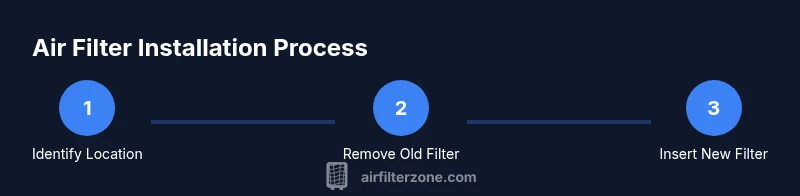
- 1
Locate the filter compartment
Power down the device, then identify where the filter sits. In HVAC, this is usually in a return-air slot; in cars, behind the glove box or under a panel; and in appliances, behind a grille or within a dedicated cavity.
Tip: Take a quick photo of the housing orientation before removing the old filter so you can reference it when installing the new one. - 2
Remove the old filter
Carefully slide or lift the old filter out of its frame. Shake or wipe away visible dust and debris without dislodging surrounding components. If the filter sticks, use a gentle hand and avoid prying with tools that could damage the housing.
Tip: Keep the old filter for size comparison to ensure the replacement matches exactly. - 3
Check orientation markings
Look for arrows on the filter frame indicating the direction of airflow. This is crucial for proper filtration and system efficiency. If the arrows are unclear, refer to the unit manual or a label near the housing.
Tip: If you’re unsure, assume arrows should point toward the device’s output side (toward the room or vent). - 4
Insert the new filter with correct orientation
Slide the new filter into the housing with the arrows aligned in the airflow direction. Ensure the filter sits evenly and seals against the gasket. Avoid forcing the filter into a space that doesn’t align.
Tip: Gently test by pressing on the center of the filter edges to confirm a snug fit. - 5
Secure the housing and check for gaps
Reinstall any covers or screws and ensure there are no visible gaps between the filter frame and housing. A poor seal can allow unfiltered air to bypass the filter.
Tip: Wipe away dust around the edges before closing to prevent quick re-soiling. - 6
Restore power and observe operation
Power the device back on and run it for a few minutes to confirm airflow is steady. Listen for unusual sounds that may indicate a misfit or misalignment.
Tip: If you hear whistling or hissing, immediately turn off and recheck the seal. - 7
Document the replacement
Note the date of replacement and the filter type in a maintenance log or app. This helps with future scheduling and ensures you don’t miss a replacement.
Tip: Set reminders to help maintain a regular replacement cycle. - 8
Dispose and recycle properly
Dispose of the old filter according to local guidelines. Some filters are recyclable; check local waste guidelines and mail-back programs if available.
Tip: Avoid flushing filters or disposing of them with wet or greasy waste.
FAQ
How often should I replace air filters in a typical home?
Most homes benefit from inspecting filters monthly and replacing them every 90 days, but usage and environment can require more frequent changes. High-dust areas, pets, or seasonal allergies may necessitate more frequent changes.
Check the filter every month and replace every three months, or sooner if you notice reduced airflow or more dust around the vents.
Can I reuse a disposable air filter?
Disposable filters are designed for single use. Reusing them reduces filtration efficiency and can cause airflow problems or equipment strain. Replace them with a new filter of the same size and rating.
Disposable filters aren’t meant to be reused; replace with a correctly sized filter.
What if I can’t find the filter arrows?
If there are no arrows, check the housing for a label indicating airflow direction or refer to the device manual. If unavailable, contact the manufacturer or a professional to avoid incorrect installation.
Look for a label or manual for airflow direction, or seek help to avoid misplacement.
Are there different filter sizes for car cabins?
Yes, car cabin filters vary by model. Check the owner’s manual or the current filter’s size printed on its edge to ensure you buy the correct replacement.
Car filters vary by model, so verify the size before buying.
What should I do if the new filter doesn’t fit?
Double-check the size and orientation of the filter, and confirm you removed all obstructions from the housing. If it still doesn’t fit, use the correct size or contact a technician.
Recheck size and orientation; if it still won’t fit, get professional help.
Can filter orientation affect energy usage?
An incorrectly oriented or poorly sealed filter can cause higher energy usage due to restricted airflow. Proper orientation helps maintain efficiency and prolongs equipment life.
Yes. Correct orientation helps energy efficiency and device longevity.
Watch Video
Quick Summary
- Identify the correct filter type and size for each device.
- Align arrows with airflow direction to ensure performance.
- Check the seal around the filter to prevent leaks.
- Schedule regular replacements to maintain air quality.