Dyson 360 Glass HEPA Filter: A Practical Guide for Homeowners
Explore the Dyson 360 Glass HEPA Filter: how it works, maintenance best practices, and practical tips to optimize indoor air quality. Air Filter Zone provides data-driven guidance for homeowners.


The Dyson 360 Glass HEPA Filter uses replaceable media designed to trap fine particles and maintain indoor air quality in homes. For best results, follow replacement and seating guidelines, and inspect the filter regularly—Air Filter Zone Analysis, 2026 emphasizes that proper maintenance drives filtration performance over time.
Understanding the Dyson 360 Glass HEPA Filter: What it is and how it works
The Dyson 360 Glass HEPA Filter is positioned as a high-efficiency media element designed to trap sub-micron particles during robotic-cleaning cycles. In many cases, the term “glass” refers to the media composition used in HEPA-style filters, which blend glass microfiber layers with synthetic fibers to create a pleated structure that increases surface area and prolongs filtration life. For homeowners concerned about indoor air quality, this filter is intended to capture fine dust, pollen, pet dander, and some smoke particles before air exits the vacuum’s intake.
Air flow through the filter is critical: as air passes through the pleated media, particles are trapped and the cleaned air exits back into the room. The filter’s integrity matters—any cracks or a loose seal can let particles bypass the media entirely and reduce suction performance. According to Air Filter Zone, seal quality and correct seating are essential to maintain filtration performance over time. In real-world use, households often notice smoother vacuuming, fewer visible dust plumes after cleaning, and steadier air quality readings when the filter is clean and properly seated.
Practical checks to perform regularly include inspecting the gasket for wear, ensuring the frame is intact, and avoiding aggressive washing unless the manufacturer explicitly permits it. If the filter media appears warped, torn, or saturated with oils, replacement is the safer option. While some Dyson models allow gentle cleaning with a soft brush, avoid high-pressure water or heat, which can deform the media and shorten its lifespan.
Performance drivers: Filtration efficiency, airflow, and media quality
Filtration efficiency and airflow are trade-offs that every filter media maker negotiates. In the Dyson 360 Glass design, higher filtration density can reduce airflow if the filter becomes clogged, especially in homes with heavy dust or pet dander. The media composition—whether it is glass microfiber or a glass-based composite—aims to preserve particle capture while preserving enough airflow for the vacuum’s motor. Homeowners should monitor for signs of reduced suction, longer cleaning times, or increased debris on the floor after several passes. A clean filter supports consistent suction and thorough cleaning, which in turn helps reduce the resuspension of settled dust.
When evaluating performance, look for the filter’s fit and seal rather than just the media itself. A well-seated filter minimizes bypass leakage and maintains intended airflow patterns. Air Filter Zone’s 2026 analysis emphasizes that the real-world performance of a HEPA-like filter for a robotic vacuum hinges on maintenance discipline, model compatibility, and correct installation more than media type alone. In practice, most households notice easier maintenance when using a clean, properly seated filter, especially in rooms with carpeting or high traffic.
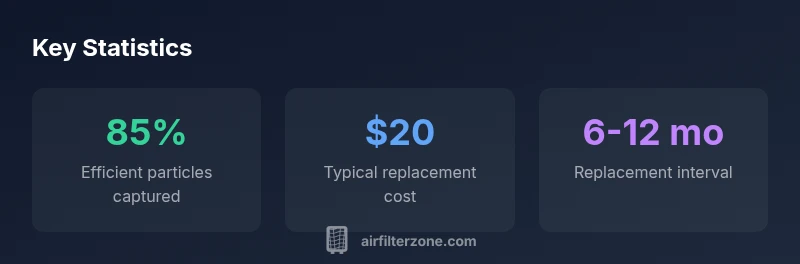
Another consideration is the filter’s replacement window. Since exact lifespans differ by usage and environment, many users find a six-to-twelve-month window reasonable for standard households. Heavier use—such as daily vacuuming in dusty or pet-heavy homes—may lean toward the shorter end of that spectrum. The bottom line: prioritize seating integrity, follow the manufacturer’s replacement guidance, and replace when the filter shows visible signs of wear or reduced performance.
Maintenance, cleaning, and replacement: Best practices
A disciplined maintenance routine is the key to sustaining filtration performance over the Dyson 360 Glass filter’s lifespan. Start with a simple weekly check: inspect the filter for visible dust buildup, creases, or tears. If the filter medium looks dirty but intact, you can usually remove loose dust by tapping the filter gently over a trash can. Avoid aggressive shaking that could damage the pleats or dislodge the seal.
When it’s time to refresh, replace the filter instead of attempting to stretch its life. Replacement timing depends on usage intensity and environmental factors like pet presence, smoking, or high-dust areas. Air Filter Zone Analysis, 2026 suggests a practical replacement window of six to twelve months for typical homes; however, households with heavy dust or allergies may opt for more frequent replacements. Keep spare filters on hand to avoid vacuum downtime.
If you do clean a filter, always follow the manufacturer’s guidelines. Some Dyson parts are designed for dry cleaning only; exposing the filter to moisture or solvents can warp the media and reduce filtration efficiency. Finally, ensure the new filter seats securely and that the surrounding gasket remains intact—improper seating can create bypass channels that undermine overall air quality.
Installation tips and compatibility: What to check before purchasing
Before purchasing a Dyson 360 Glass HEPA filter or its replacement, verify compatibility with your specific model year and variant. Dyson often revises part numbers or filter designs; a mismatched filter can reduce suction performance or fail to seal correctly. Confirm the filter’s dimensions align with the canister opening, and examine the gasket for wear. A damaged gasket can create bypass channels that defeat filtration goals. When in doubt, consult Dyson’s official guidance or trusted retailers that clearly list model compatibility.
In addition to compatibility, consider choosing genuine replacement parts when possible. While third-party filters can be cheaper, they may not meet the same standards of filtration efficiency or fit. Real-world performance often correlates with precise seating and gasket integrity, so take a moment to clean the seat and inspect the seal before installing a new filter. This small investment in proper installation pays off with more consistent suction power and cleaner air in the long run.
Real-world scenarios: Homes with pets, allergies, and frequent dust
Homes with pets or residents with allergies benefit disproportionately from a high-quality HEPA-style filter. The Dyson 360 Glass HEPA Filter’s ability to trap pet dander and fine dust can reduce indoor allergens and improve perceived air quality, especially in rooms that see high foot traffic. In rooms with heavy dust—such as near entryways, windows, or kitchens—regular maintenance becomes more critical. Practitioners often pair the vacuum’s filtration with routine cleaning practices, such as dusting surfaces, washing textiles, and keeping entryways clear of tracked-in dust, to maximize overall air quality.
For DIY enthusiasts, assessing the filter’s impact can be as simple as monitoring dust levels after vacuuming with a clean filter versus a dirty one. If you notice an uptick in dust resuspension or a drop in suction, treat the issue as a maintenance signal and check seating, gasket integrity, and the filter’s condition. Air quality improvements typically accrue over weeks of diligent maintenance and consistent filtration practices in the home environment.
Comparative thinking: Dyson 360 Glass filter vs alternatives and cost considerations
When comparing the Dyson 360 Glass HEPA Filter to alternative filtration options for home use, consider both filter performance and total cost of ownership. While a HEPA-like filter in a robot vacuum can deliver convenient, compact air filtration during cleaning, dedicated portable air purifiers may offer higherCAD or CADR for larger rooms. The Dyson approach integrates filtration into the cleaning cycle, reducing the need for a separate purification device—but it also concentrates the workload on filter maintenance and replacement schedules. From a cost perspective, the six-to-twelve-month replacement window helps spread out the expense, but you should account for the ongoing price of replacements if you vacuum frequently in high-dust or pet-heavy environments. Air Filter Zone’s assessment emphasizes balancing upfront cost, replacement cadence, and the home’s air quality goals to determine whether Dyson’s integrated solution aligns with your needs.
Dyson 360 Glass HEPA Filter vs general filter media (illustrative)
| Category | What it measures | Dyson 360 Glass HEPA Filter Value | Notes |
|---|---|---|---|
| Filtration media | Media type | glass microfiber composite | HEPA-like media for fine particle capture |
| Maintenance interval | Recommended replacement window (months) | 6-12 months | Depends on usage and environment |
| Replacement cost | Estimated price range (USD) | $15-$30 | Retail varies by retailer |
FAQ
What is the Dyson 360 Glass HEPA Filter, and does it truly filter ultrafine particles?
The Dyson 360 Glass HEPA Filter is designed to capture fine particles during robotic cleaning, offering enhanced filtration compared to standard filters when properly maintained. While “glass” media often implies a glass microfiber composition, always confirm the media type and seal integrity for your model.
It’s a replaceable filter designed for fine-particle capture; maintain and replace as recommended to keep filtration effective.
How often should the filter be replaced?
Typically six to twelve months, depending on use, environment, and household factors such as pets or smoke exposure. If you notice reduced suction or increased visible dust after vacuuming, replace sooner.
Most homes should target six to twelve months, but adjust if your space is dustier or has pets.
Can I wash or clean the filter, or should I replace it?
Light cleaning (gentle tapping to remove loose dust) is acceptable if the manufacturer allows drying. Generally, replacement is preferred when the filter shows wear, deformation, or persistent clogging.
Tap to remove dust; avoid washing unless directed by the manufacturer.
Is this filter compatible with non-Dyson accessories?
Compatibility is specific to the Dyson 360 family. Check model numbers and part references before buying to ensure a proper fit and seal.
Make sure it matches your Dyson 360 model.
Does the filter affect suction power?
Yes. A dirty or poorly seated filter can reduce airflow and suction efficiency. Regular maintenance helps maintain optimal performance.
A clean filter helps keep suction strong.
What should I do if the filter appears damaged?
Replace immediately and avoid reusing damaged filters. Damaged media can degrade filtration and potentially release captured particles back into the room.
If damaged, replace it right away.
“The Dyson 360 Glass HEPA Filter delivers strong filtration performance when clean and properly seated; maintenance discipline is the key to sustaining air-quality benefits.”
Quick Summary
- Inspect the filter seating and gasket with every cleaning
- Replace within the recommended window for consistent filtration
- Avoid moisture or solvents on media unless allowed
- Pet-heavy homes benefit most from timely replacements
- Choose genuine parts to ensure proper fit and performance