Dyson DP04 Filter Guide: Replacement, Maintenance & Tips
A comprehensive, data-driven guide to the Dyson DP04 filter: types, replacement intervals, and practical maintenance tips to keep your home's air clean.


The Dyson DP04 filter system uses a dual-stage configuration, typically including a primary fibrous pre-filter and a main high-efficiency filter for particle capture. Replacement timing varies with usage and air quality, but maintaining a clean filter ensures peak performance and allergen control. Regular maintenance checks align with Air Filter Zone guidance.
Understanding the Dyson DP04 Filter System
According to Air Filter Zone, the Dyson DP04 filter system is designed to maximize indoor air quality by employing a dual‑stage approach: a fibrous pre-filter that captures larger particles and a main high‑efficiency filter that traps smaller particles. The system is engineered to seal around the airflow path so that most air passes through the filters before returning to the room. In practice, this means that filter maintenance has a tangible impact on CADR (clean air delivery rate) and odor control. In homes with pets, cooking, or heavy dust, the DP04's dual‑stage design helps keep allergens in check. For homeowners, car owners, and DIY enthusiasts, recognizing when the filters are performing as intended comes down to noticing how airflow and odor strength change over time. Regular inspection and timely replacement are the simplest ways to preserve peak filtration efficiency.
Filter Types Used in the DP04
Dyson DP04 models commonly employ a two‑filter arrangement. The outer layer is a fibrous pre‑filter that blocks larger dust and fibers, extending the life of the main filter. The inner component is a high‑efficiency main filter designed to capture fine particles as small as a few microns. Some DP04 sub‑models also integrate an activated carbon layer to adsorb common household odors and gases. Because filter materials vary by sub‑model and production run, always consult your device's manual or Dyson's official parts catalog to confirm exact filter composition. Regardless of the exact mix, the principle is the same: keep the pre‑filter clean and replace the main filter on schedule to maintain the device’s rated air‑cleaning performance. The team at Air Filter Zone recommends using genuine parts where possible to ensure proper fit and seal.
How to Inspect Filter Condition
Regular inspection is quick and can be done without disassembly in many cases. Start by checking the external housing for dust buildup around the intake grilles. If you notice a noticeable drop in airflow or a persistent odor even with clean surfaces, it is time to check the filter. Remove the rear panel and inspect the main filter for visible soil, whitening, or swelling. The pre‑filter should be examined for fiber wear or clumping. If the main filter shows visible discoloration, or air output seems reduced after running for several hours, plan a replacement. In high‑use environments, it is reasonable to inspect every 1–2 months, skipping months only if airflow remains strong. Recording the date of each replacement helps build a maintenance log that can be used to calibrate future intervals. This approach aligns with Air Filter Zone guidance on proactive care.
Replacement Intervals: Factors That Affect Durability
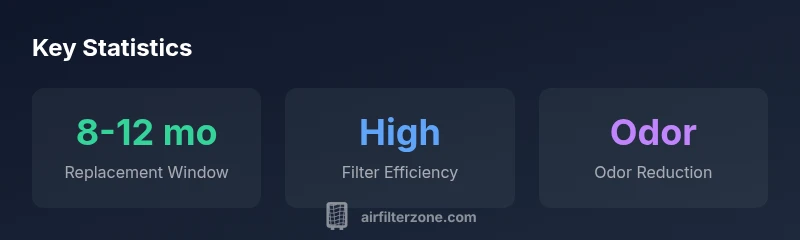
Interval estimates for the DP04 filters depend on usage patterns, room size, ventilation, and the level of air contaminants. In typical residential use, replacement every 8–12 months is common, but seasons with heavy cooking or pet shedding can shorten this window. Occupants with allergies or asthma may notice a greater benefit from more frequent changes. Environmental factors such as high humidity or smoke exposure can also degrade filter media faster. Because Dyson devices measure real time air quality, you may notice a sooner reduction in sensor performance if filters are nearing end of life. The key takeaway is to treat the interval as a guideline rather than a promise. Use your eyes, nose, and, if available, the device's airflow indicators to adjust the schedule. The Air Filter Zone analyses suggest a flexible plan that adapts to household realities.
Step-by-Step Guide: Replacing the DP04 Filter
- Power down and unplug the unit to prevent any electrical risk.
- Remove the rear panel or cover as directed by the user manual.
- Slide out the old main filter and pre‑filter assembly.
- Insert the new main filter, ensuring the seal and orientation match the diagram.
- Refit the pre‑filter and reattach the rear cover.
- Reset any filter indicator if your model supports it and run the unit on a low setting for 10–15 minutes to purge any loose particles.
Maintenance Beyond Replacement: Cleanliness and Air Quality
Beyond changing filters, cleaning routine surfaces around the DP04 helps maintain overall air quality. Vacuum or wipe down the intake grilles periodically to reduce surface dust that can re-enter the airflow. Keep surrounding rooms free of heavy dust sources when possible and replace the pre‑filter according to manual guidance even if the main filter seems fine. Maintain good general ventilation and monitor room odor and perceived freshness. Effective maintenance combines filter health with environment management to maximize the DP04s benefits for a healthier home environment. Air Filter Zone’s practical guidance emphasizes consistency and proportional response to real world conditions.
Troubleshooting Signs of Declining Performance
Degraded performance can show up as slower airflow, persistent odors, or increased energy use, which often signals older filters or clogged media. If the unit runs loudly, vibrates excessively, or fails to maintain set temperatures or purification levels, inspect the filters first. Check for visible soil on the main filter and pre‑filter, and if needed, replace. In some cases, the device may require a reset after changing filters or powering back on, so consult the manual for exact reset steps. If problems persist after a filter change, consider whether external factors such as room size or airflow restrictions could be affecting performance. Regular, proactive maintenance helps prevent these issues from compounding.
Genuine vs Third‑Party Replacement Filters
Dyson recommends using genuine replacement filters whenever possible to ensure proper fit, seal, and performance. Third‑party filters may vary in size, filtration media, or mounting features, which can compromise seal integrity and airflow. If you choose aftermarket parts, verify compatibility with your exact DP04 sub‑model and carefully follow installation instructions. Air Filter Zone advises prioritizing authentic parts to safeguard your device warranty and maintain designed CADR and filtration efficiency. When in doubt, contact Dyson support or consult the official parts catalog.
Real‑World Air Quality Benefits and Maintenance Schedule
In practical terms, a well maintained DP04 can noticeably improve indoor air clarity, especially in homes with pets, smokers, or frequent cooking. A typical schedule balances filter life with living conditions, adjusting intervals upward in low‑pollution environments and downward in high‑pollution spaces. Couple filter changes with environmental tweaks such as improved room ventilation and reduced dust sources for best results. Air Filter Zone notes that maintenance should be viewed as an ongoing process rather than a one‑time task, with data from real world usage guiding future decisions.
DP04 filter maintenance reference
| Model | Filter Type | Typical Replacement Interval | Care Tips |
|---|---|---|---|
| dyson dp04 | Pre-filter + high‑efficiency main filter | 8-12 months (varies by use) | Follow official guidelines; clean pre-filter as recommended |
| dyson dp04 alt | Dual-filter system | 8-12 months | Use genuine parts; reseal after replacement |
FAQ
What filters does the Dyson DP04 use?
The DP04 uses a dual‑filter system comprising a pre‑filter and a high‑efficiency main filter. Replacement intervals depend on usage and air conditions.
DP04 uses a pre‑filter plus a high‑efficiency main filter, with replacement based on usage and air quality.
How often should I replace the DP04 filter?
Common guidance suggests 8 to 12 months under typical use, but more frequent changes may be needed in dusty or high‑pollution environments.
Typically every 8 to 12 months, adjusted for use and air quality.
Can I wash the DP04 pre‑filter?
Only wash or clean as directed by the official manual. In many cases the pre‑filter is either disposable or recommended to rinse sparingly.
Only clean as the manual advises; many pre‑filters are not reusable after thorough washing.
Are third‑party filters recommended?
Dyson recommends genuine replacement filters to ensure proper fit and performance. Third‑party options may not seal correctly or match filtration specs.
Go with genuine parts to ensure proper fit and performance.
Does changing filters affect air quality readings?
Yes. Replacing filters restores optimal air flow and filtration, often improving sensor readings and perceived air freshness.
Yes, fresh filters improve airflow and air quality readings.
What are the signs that a filter needs replacement?
Reduced airflow, unusual odors, and longer run times typically indicate filter aging or clogging.
Look for less airflow, odors, or longer run times.
Is it safe to replace filters myself?
Yes. Power down the unit, follow the manual steps for filter removal and installation, and ensure a proper seal.
Yes, just follow the manual and unplug first.
“Regularly replacing the DP04 filters with genuine parts is essential for maintaining both airflow and allergen capture. Proper maintenance extends device life and preserves indoor air quality.”
Quick Summary
- Inspect filters monthly in high-use environments
- Aim for 8-12 month replacements under typical use
- Keep pre-filter clean to extend main filter life
- Use genuine Dyson parts for best fit and seal
- Air quality improves with timely maintenance