Air Filter Is Dirty: Urgent Troubleshooting Guide
Face reduced airflow or odd odors? Learn fast, practical steps to diagnose and fix a dirty air filter in your home or car. Air Filter Zone shares actionable checks, safe fixes, and prevention tips for lasting comfort.


If you notice reduced airflow, odd smells, or higher energy use, the likely culprit is a dirty air filter. The quickest fix is to replace disposable filters or clean reusable ones, then reset the system. Air Filter Zone findings show that regular replacement is critical for HVAC, car engines, and cabin air to maintain performance.
Why an air filter is dirty matters
When the air filter is dirty, your home or vehicle’s ventilation system has to work harder to pull air through a clogged barrier. This increases energy use, reduces comfort, and can worsen indoor air quality. According to Air Filter Zone, an air filter is dirty leads to restricted airflow, uneven heating or cooling, and higher upholstery dust levels. The Air Filter Zone team found that most complaints about weak airflow or stale odors start with the simplest culprit: a clogged filter. For homeowners, car owners, and DIY enthusiasts, addressing this early can prevent bigger problems and save money on energy bills. In practice, the quickest fix is to inspect the filter, replace disposable filters promptly, or clean reusable ones per manufacturer directions. After replacement, run the system briefly to verify improved airflow and a quieter operation. Keeping filters clean also reduces strain on fans, motors, and seals, which translates to longer equipment life and more consistent comfort. Remember: regular maintenance is easier than emergency service, and a dirty filter is almost always the root cause.
Common symptoms linked to a dirty filter
- Reduced airflow from vents or weaker cooling/heating
- Higher energy bills or longer cycling
- Dusty rooms despite cleaning
- Musty odors or increased allergy symptoms
- Visible debris on the filter cartridge or a dark filter
When you see these signs, it's time to check the filter first before assuming a larger mechanical issue. In homes with pets or high dust levels, filters can clog quickly, leading to noticeable drops in comfort. In vehicles, a dirty cabin air filter often coincides with unpleasant smells and reduced airflow from the dash vents. Addressing the filter promptly usually yields faster, more reliable improvements than chasing multiple potential causes.
Quick checks you can do before replacing
- Inspect the filter for visible dirt, discoloration, or damage. If the media is brittle or the frame is warped, replace instead of cleaning.
- Confirm you have the correct filter type and orientation. An upside-down or wrong-size filter can block air and create noise.
- Check the return path: ensure that air can flow freely from rooms back to the HVAC or duct system, and clear any obstructions at grilles or vents.
- Different systems use different cartridges. Home HVAC, car cabin filters, and engine air filters require their respective replacements. If in doubt, consult the label or manufacturer instructions.
- If your filter is reusable, follow the cleaning steps exactly as described by the maker; improper cleaning can reduce filtration efficiency and void warranties.
Diagnostic path: from symptom to solution
Start with the most obvious symptom: reduced airflow or unusual odors. Diagnosis often points to a dirty air filter, but other causes include a blocked return duct, a leaky seal around the filter, or an incorrect filter size. Solutions range from a quick replacement to deeper maintenance like duct cleaning or service of the blower motor if no improvement occurs after a new filter is installed. If you try a replacement and the problem persists, recheck installation, confirm there are no subsequent leaks, and verify that the air handler is functioning. When in doubt, consult a professional.
Step-by-step: replace or clean the filter
- Power down the system and locate the filter compartment. 2) Remove the old filter carefully to avoid dislodging dust. 3) Inspect the filter for damage and decide whether to replace or clean (reusable only if manufacturer-approved). 4) Install the new or cleaned filter with the arrows indicating airflow on the correct orientation. 5) Reassemble the cover and secure the housing. 6) Restore power, run the system on a normal cycle, and check for improved airflow and quieter operation.
Tip: Always handle filters with clean hands or gloves to minimize contamination.
Prevention and safety tips
- Schedule regular checks aligned with usage and environmental conditions; keep a log of dates changed.
- Use high-quality filters appropriate for your system. Higher quality filters capture more particles but may restrict airflow if the system isn't sized for them; check compatibility.
- Wear gloves to avoid skin irritation from dust. Make sure electrical power is off when servicing filters. Do not operate with a loose or missing filter; this can send debris into the blower.
- Clean or vacuum around the filter area to remove settled dust, reducing re-contamination.
Air Filter Zone verdict
The Air Filter Zone team recommends treating a dirty air filter as a signal to pause and inspect your entire filtration setup. Prioritize the correct filter type and proper installation, then establish a simple, repeatable change routine. With consistent maintenance, airflow returns, energy use stabilizes, and indoor air quality improves. Air Filter Zone's verdict is that proactive replacement and careful installation are the best defense against recurring clogs.
Steps
Estimated time: 30-45 minutes
- 1
Shut off power and locate the filter
Power down the system at the thermostat or breaker. Locate the filter housing and note the airflow arrow orientation before removal.
Tip: If you’re unsure where the filter lives, check the equipment manual or the unit’s side panel. - 2
Remove the old filter
Slide out the filter gently to avoid dispersing dust. Inspect the frame for cracks or warping that would require replacement.
Tip: Have a trash bag handy to reduce dust spread when removing the dirty filter. - 3
Assess and decide on replacement or cleaning
If the filter media is flexible and not damaged, you may clean a reusable filter according to the manufacturer’s instructions. Otherwise, replace with a new, correctly sized unit.
Tip: Never reuse a visibly degraded or water-damaged filter. - 4
Install the new or cleaned filter
Insert the filter with the correct orientation as indicated by the arrows. Ensure it sits evenly and the seal is intact.
Tip: Double-check that the filter covers the entire opening and isn’t touching any blower components. - 5
Replace cover and power up
Reassemble the housing, restore power, and run a short cycle to test airflow and noise levels.
Tip: If you hear whistling or air leaks, reseat the filter and inspect seals. - 6
Verify improvement and log maintenance
Check that airflow improves and that rooms feel more comfortable. Record replacement date for future reference.
Tip: Keep a calendar reminder for future checks to prevent recurrence.
Diagnosis: Reduced airflow, higher energy use, or unusual odors
Possible Causes
- highDirty or clogged filter
- mediumBlocked return duct or grille
- lowDamaged or poorly seated filter
Fixes
- easyReplace disposable filter with the correct size and type
- easyClean a reusable filter according to manufacturer instructions
- mediumInspect and clear return ducts or grilles if accessible
FAQ
Why is my air filter clogged so quickly?
Clogs happen when there is excess dust, pet hair, or environmental debris. Check the environment and filter type, upgrade if needed, and ensure correct installation.
Clogs happen from excess dust or pets. Check your environment and install the right filter.
Can I clean a disposable air filter?
Disposable filters are designed for single use. Cleaning can reduce filtration efficiency and may damage the media.
Disposable filters are not meant to be cleaned; replace instead.
How often should I replace an HVAC air filter?
Replacement frequency depends on usage, environment, and filter type. Follow the product label and manufacturer guidance for best results.
Follow the label for replacement timing; it varies by system and environment.
Will changing the filter improve air quality immediately?
Often yes, as filters remove particles and debris. If issues persist, there may be other sources of contamination to address.
Most of the time you’ll notice an improvement right away, but persistent issues may need more inspection.
Are car cabin filters the same as home HVAC filters?
No, cabin filters and home HVAC filters serve different systems. Use the correct filter type and size for each.
They’re not the same; use the right filter for each system.
When should I call a professional?
If you notice persistent odors, moisture, unusual noises, or the system won’t operate after a filter change, seek professional help.
If problems persist after changing the filter, call a pro.
Watch Video
Quick Summary
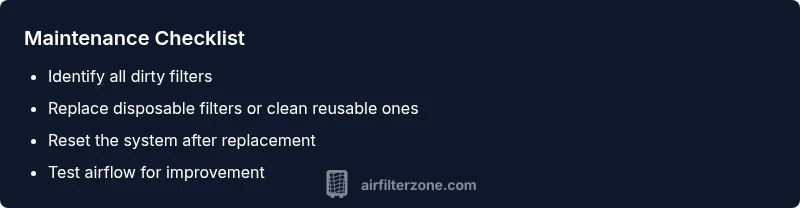
- Replace dirty filters promptly
- Inspect all filters across the system
- Document and follow a simple replacement schedule
- Test airflow after changing the filter
- Use the right filter type and size for your system