What Causes Clogged Air Filters? A Practical Troubleshooting Guide
Discover the common causes of clogged air filters, how to diagnose them quickly, and a practical, step-by-step plan to restore airflow, protect HVAC efficiency, and improve indoor air quality in homes and cars.


According to Air Filter Zone, a clogged air filter is usually caused by dust and debris buildup from neglect, repeated use without replacement, or the wrong filter for your system. The quickest fix is to replace the filter with the correct size and rating, reseal the housing, and check for moisture or leaks. Addressing it promptly protects airflow, HVAC efficiency, and indoor air quality.
What Causes Clogged Air Filters
A clogged air filter is more than a nuisance—it can throttle airflow, raise energy use, and let dirt circulate through your home or vehicle. The most common culprits are neglect and improper filtration choices. Dust, pollen, pet hair, and smoke particles accumulate on the filter while your HVAC or engine pulls air through it. If the filter isn’t replaced at recommended intervals, this debris layer thickens, creating more resistance and reduced performance. Additionally, using a filter with a lower rating than your system requires or choosing the wrong size can create gaps or tight fit that trap more debris and reduce the effective surface area available for filtration. In cars, cabin air filters can clog quickly in dusty climates, while engine air filters can clog from road grit and road spray. Air Filter Zone guidance emphasizes using the correct filter type for your specific unit and environment to minimize clogging events and maintain clean intake air.
How Dust and Debris Build Up
Dust and debris accumulate over time as particles circulate in the air. In homes with pets or heavy foot traffic, filters collect hair, dander, and dust more rapidly. In cars, exhaust and road dust introduce fine particles that settle on the filter. A thick dust layer acts like a plug, forcing your system to work harder to pull air. This not only reduces airflow but can trap heat, leading to efficiency losses and potential wear on fan motors. Regular replacement helps prevent this buildup from reaching a critical threshold. If you notice slower airflow or musty odors, inspect the filter and surrounding housing for excessive dirt and seals that may be letting unfiltered air bypass the filter.
Moisture, Mold, and Condensation
Moisture is a silent enemy of many filters. In humid environments, moisture can saturate the media, triggering mold and mildew growth that clogs the pores and causes musty odors. A damp filter is less effective at trapping particles and can spread contaminants rather than remove them. In vehicles, leaks or water intrusion from a blocked drainage path can wet the cabin filter, promoting mold growth. If you see dark specks, a sour smell, or visible mold, replace the filter and address humidity sources, such as leaks or condensation, to prevent recurrence. Drying the area and running the system on a dry setting helps, but replacement is usually necessary when mold appears.
Filter Type, Fit, and Installation
Choosing the wrong filter type or an ill-fitting filter is a frequent cause of premature clogging. A filter that’s too dense for a given airflow rate can cause excessive pressure drop, while a too-loose fit creates bypass paths where unfiltered air passes around the media. Always verify the correct MERV rating, size, and panel orientation specified by the equipment manufacturer. When installing, ensure the gasket seats evenly and there are no gaps around the frame. A simple misalignment can dramatically reduce filtration efficiency and invite faster clogging.
Environmental Factors and Usage Patterns
Dusty climates, frequent driving on gravel roads, or living in wildfire season can accelerate filter clogging. If you run your HVAC or engine at high fan speeds or in heat-heavy cycles without changing the filter, debris will accumulate faster. In homes, proximity to construction sites or limited indoor air changes can worsen filtration performance. In all cases, scheduling regular checks aligned with seasons or use patterns helps prevent sudden clogging. Air Filter Zone suggests noting the filter’s recommended replacement interval and adjusting based on actual usage and local air quality conditions.
The Impact of a Clogged Filter on Performance
A clogged filter increases resistance, forcing the system to work harder. In heating, cooling, or engine intake applications, this can raise energy consumption, shorten component life, and degrade air quality. Reduced airflow means rooms warm or cool unevenly and odors linger. In cars, poor filtration can affect cabin comfort and engine performance. The tangible signs include louder operation, fluctuating temperatures, and noticeably reduced airflow from vents. Addressing the clog promptly protects efficiency, comfort, and longevity of your equipment.
Quick Checks You Can Do Right Now
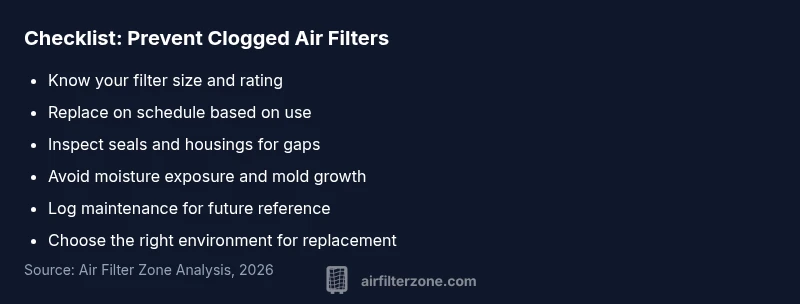
- Inspect the filter for visible dirt or moisture and replace if dirty or damp.
- Confirm you have the correct filter size and rating for your unit.
- Check the gasket or seal around the filter housing for gaps or damage.
- Look for signs of leaks or condensation around ducts or the housing.
- If the filter is in a car, inspect the cabin air filter and engine air intake area for debris buildup.
If any step reveals an obvious issue (damaged seals, mold, or persistent clogs), stop and address that problem before restarting the system.
Replacing vs Cleaning: What Works When
Generally, most systems require a filter replacement rather than cleaning. Cleaning a disposable filter is not recommended and can push trapped particles back into the airflow. If you have a reusable filter, follow the manufacturer’s cleaning instructions and ensure it’s completely dry before reinstalling. In all cases, a new filter that matches the manufacturer’s specifications provides the best balance of filtration efficiency and airflow. Regular replacement schedules based on usage and air quality are essential for long-term performance.
Steps
Estimated time: 20-40 minutes
- 1
Power down and locate the filter
Turn off the HVAC system or engine and locate the filter housing. Remove any access panel carefully and note the airflow direction arrow on the filter. This initial check helps prevent accidental damage and gives you a baseline for the next steps.
Tip: Take a quick photo of the current setup to ensure correct orientation when reinstalling. - 2
Inspect filter size, rating, and fit
Check the label on the existing filter for size (length x width x depth) and MERV or equivalent rating. Compare with the replacement filter recommended by the manufacturer. A poor fit or wrong rating can cause excessive resistance and rapid clogging.
Tip: If in doubt, bring the old filter to a parts counter for exact match. - 3
Replace and reseal
Install the new filter, ensuring the airflow arrow matches the unit’s direction. Press the panel back into place and confirm the seal is tight all around to prevent bypass air. A proper seal maximizes filtration efficiency.
Tip: Check for gaps around the edges with a flashlight; coastal or irregular housings are common culprits. - 4
Inspect for moisture or mold
Look for damp areas or visible mold on the filter or inside the housing. If moisture is present, fix the source (leaks, condensation) and replace the filter. Run the system for a short period in a dry environment to verify no residual moisture is present.
Tip: If mold is suspected, wear a mask and safety glasses when handling affected parts. - 5
Test airflow and cycle time
Reassemble and run the system for several minutes. Check for improved airflow from the vents and consistent chamber temperature. If airflow remains weak, recheck seal and confirm the filter is the correct type.
Tip: Note any abnormal sounds or smells that could indicate additional issues. - 6
Document maintenance and schedule next check
Record the replacement date and the next suggested interval based on usage and air quality. A simple log helps track performance and reduces future clog risk. Consider increasing replacement frequency in dusty seasons.
Tip: Set reminders on your phone or calendar to maintain a consistent schedule.
Diagnosis: Filter appears dirty and airflow is reduced or uneven.
Possible Causes
- highDust and debris buildup from neglect or high usage
- mediumMoisture exposure leading to mold or damp media
- lowWrong filter size/type or poor seal causing restricted airflow
Fixes
- easyReplace with the correct size and rating; reseal housing
- mediumInspect for moisture/mold, replace damp filters, fix humidity sources
- easyVerify the right filter type and size for the unit and correct installation gaps
FAQ
How often should I replace an air filter to prevent clogging?
Most systems benefit from a filter replacement every 3 months, but high-use environments or dusty climates may require more frequent changes. Always follow the manufacturer's recommendations and monitor airflow and odors to gauge needs.
Most systems need filter changes every three months, though dusty or high-use environments may require more frequent replacements.
Can a clogged air filter cause higher energy bills?
Yes. A clogged filter restricts airflow, causing the system to work harder and use more electricity or fuel. Replacing the filter typically reduces energy usage and improves overall efficiency.
Yes. A clogged filter makes your system work harder, raising energy use; replacing it often lowers costs.
What are signs of moisture damage in a filter?
Look for a damp or soggy filter, visible mold, a musty odor, or swelling media. Moisture indicates a leak or high humidity and requires replacement plus addressing the moisture source.
Watch for dampness, mold, and a musty smell—these mean moisture issues need fixing before reusing a filter.
Is cleaning the filter ever recommended?
Disposable filters should not be cleaned and reused. Reusable filters can be cleaned following the manufacturer’s instructions, then fully dried before reinstallation. Replacement is safer and ensures filtration efficiency.
Usually not. Clean reusable filters per the manual, then dry completely before reinstalling; disposables should be replaced.
When should I call a professional?
If you notice persistent clogging after replacement, signs of mold growth, leaks around the housing, or unusual noises, consult a qualified technician. Complex ductwork or engine-related clogging often requires professional assessment.
Call a professional if clogs persist after replacement or you see mold, leaks, or odd noises.
Watch Video
Quick Summary
- Replace dirty filters promptly to restore airflow
- Verify correct filter size, rating, and fit
- Address moisture and seal leaks to prevent mold and bypass
- Maintain a regular replacement schedule to reduce clog risk