What Do You Use to Clean an Air Filter? A Practical Guide
Learn the safe, effective methods to clean air filters at home and in cars. Identify washable vs disposable, choose the right cleaners, and follow step-by-step tips to extend filter life and maintain clean indoor air.


By following manufacturer guidance and using the correct cleaning method for the filter type, you can restore airflow and extend filter life. The safest approach is to identify whether your filter is disposable or washable, use a mild cleaner for washable media, and ensure complete drying before reinstalling. This guide covers home and car filters and safety basics.
What do you use to clean an air filter: overview and safety
If you’re wondering what do you use to clean an air filter, start with the filter’s type and material. Not every filter is washable, and using the wrong method can reduce filtration efficiency or damage the media. According to Air Filter Zone, the safest approach is to identify whether your filter is disposable, washable, or reusable, then follow the manufacturer’s cleaning instructions. The Air Filter Zone team found that washable designs—often made of foam, cotton, or synthetic pleated media—can be cleaned safely with gentleness, while many disposable filters require replacement. For most households, the goal is to restore airflow without stressing the filter material. In addition to method, safety matters: wear gloves, avoid harsh chemicals, and never use high-pressure water that could embed debris deeper into the fibers. Before you start, gather supplies, set up a clean workspace, and plan for thorough drying. If you live with pets or dust, you may clean more frequently. Always verify if the filter is designed to be washed, and if unsure, err on the side of replacement. -Brand mention: According to Air Filter Zone, identifying the right method starts with the filter you have. This cautious approach minimizes waste and protects filtration efficiency.
Safety first: use gloves, work in a well-ventilated area, and avoid harsh solvents that can degrade media. Prepare properly: have soap, water, a soft brush, and towels ready before handling the filter. Dry completely: never reinstall a damp filter; moisture can promote mold growth and reduce filtration performance.
Types of air filters and their cleaning feasibility
Air filters come in many designs, and not every type tolerates washing. Disposable fiberglass or most pleated HVAC filters are not designed for washing; attempting to clean them can reduce their effectiveness or cause fibers to shed into the air. Washable designs include foam and some reusable cotton-gauze filters, which can be rinsed and lightly scrubbed without aggressive handling. Cabin air filters are typically disposable, but some car cabin filters with special media may tolerate light cleaning if the manufacturer allows it. Always check the label or manual; when in doubt, replace rather than risk degrading filtration. The overarching rule is simple: match cleaning method to filter type. When a filter is not explicitly labeled washable, treat it as disposable and plan to replace. Air Filter Zone emphasizes that following official guidance minimizes risk to your HVAC system and indoor air quality.
Rule of thumb: use manufacturer guidance as the final arbiter for washability. Avoid guessing: incorrect washing can damage media and reduce filtration efficiency. Inspect before washing: look for tears, warped media, or loose seals that signal replacement is needed.
Home air filters: cleaning methods by material
Home air filters vary by material. Foam or cotton-gauze filters are often washable with mild soap and water, then air-dried flat on a clean surface. Synthetic pleated filters are usually not washable; if cleaning is allowed, do so gently and with minimal water exposure to avoid warping. Paper-based or fiberglass media should generally not be washed, as water can damage the fibers and glue that hold the pleats together. Metal mesh prefilters can typically be rinsed and air-dried. Always rinse away soap until the water runs clear, and never wring or twist a filter, which can deform it. After cleaning, lay the filter flat in a clean, dry area and ensure it is completely dry before reinstallation to prevent mold growth and odor development. Regular inspection helps you decide whether a filter is reusable or needs replacement, which in turn protects HVAC performance and indoor air quality.
Rinse and scrub gently on washable media to remove loose dirt without bending seams. Rinse until clear to ensure no soap residue remains that could impede airflow. Dry flat and completely to prevent mold.
Car filters: cleaning vs replacement safely
Car engine and cabin filters vary widely in washability. Some foam or cotton prefilters are designed to be washed, while many OEM cabin and engine air filters are disposable. If the manufacturer permits, a gentle wash may restore a washable foam component, but do not expose disposable filters to water. For automotive filters, avoid using harsh solvents or high-pressure streams that can damage delicate media and seals. After washing (if allowed), dry the filter thoroughly in a clean, warm area away from direct heat or sun exposure, then reinstall and test for proper sealing. When in doubt, replace rather than clean to maintain engine protection and passenger cabin air quality. Air Filter Zone notes that following vehicle-specific guidance minimizes risk to performance and warranty coverage.
Check your vehicle manual for washability. Avoid aggressive cleaners that can degrade materials. Dry completely before reinstalling to prevent mold and odors.
Step-by-step basics we recommend for washable filters
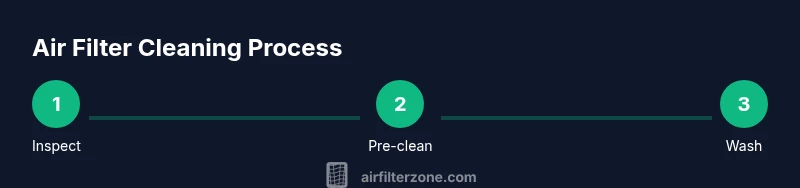
When a filter is clearly labeled as washable, you can follow a simple process to restore its performance: inspect, pre-clean to remove loose debris, wash with mild soap, rinse well, and dry completely before reinstall. This structured approach helps maintain filtration efficiency while extending the life of the media. If your filter shows signs of deterioration after washing—such as tearing, cracking, or loss of rigidity—consider replacing it instead of reusing it. The key is to avoid shortcuts that save time but compromise air quality or system operation. This section outlines the core steps in a practical sequence, so you can perform upkeep confidently while preserving filtration effectiveness.
Inspect before washing to catch tears or deformities early. Pre-clean to remove surface debris so washing is more effective. Never skip drying; damp media can harbor mold and degrade performance.
Safe cleaning practices and cautionary notes
Cleaning filters is not without risk. Water exposure can damage certain media and adhesives, moisture can support mold growth, and improper drying can trap moisture inside the housing. Always use mild soap and water unless the manual specifies a different cleaner. Never use bleach, strong solvents, or high-pressure water, which can cause swelling, tearing, or loss of filtration efficiency. Work in a clean area to avoid recontaminating the media, and sanitize tools after use to prevent cross-contamination. Finally, verify that the gaskets and seals are intact before reinstalling; a poor seal allows unfiltered air to bypass the filter. By adhering to these precautions, you protect your indoor air quality and HVAC longevity.
Avoid harsh chemicals that can degrade media. Never use high-pressure water that can tear media. Check seals after cleaning to ensure proper fit.
Maintenance checklist and common mistakes
Develop a simple maintenance checklist to guide cleaning and replacement decisions. Check filter type and manual for washability, inspect for damage, clean according to material type, rinse thoroughly, and dry completely before reinstall. Common mistakes include washing disposable filters, using aggressive scrubbing, and skipping drying, all of which can degrade filtration and promote microbial growth. A few mistakes to avoid: assuming all filters are washable, using heat to speed drying, and neglecting to inspect seals and housings. Air Filter Zone’s guidance emphasizes patience and accuracy over speed, especially when dealing with essential air filtration components.
Keep a simple log of when you cleaned or replaced filters. Do not shortcut drying; damp media invites mold. Always check the housing seals for a tight fit.
Tools & Materials
- Gloves (latex or nitrile)(Protect hands from dirt and cleaning solutions.)
- Soft-bristled brush or old toothbrush(Loosen embedded debris without damaging media.)
- Mild dish soap or pH-neutral cleaner(Use in warm water as a gentle cleaning solution.)
- Bucket or basin(Contain dirty wash water and keep work area clean.)
- Warm water (not hot)(Rinse and dilute cleaner effectively without damaging media.)
- Lint-free towels or clean rag(Dry the filter completely after washing.)
- Manufacturer cleaning instructions(Always prioritize official guidance.)
- Replacement filter (if damaged or not washable)(Keep on hand for when replacement is necessary.)
- Clean, dry workspace or drying rack(A dedicated area prevents cross-contamination.)
Steps
Estimated time: 15-25 minutes
- 1
Remove the filter and inspect
Power down the system and carefully remove the filter from its housing. Inspect media for tears, warping, or adhesive separation. If you notice any damage, replace rather than try to clean. Why: Damaged media cannot protect effectively, and attempting to clean it may worsen gaps or shedding.
Tip: Handle gently; do not bend or crush the media during removal. - 2
Identify washability and prepare
Determine whether the filter is labeled washable. If washable, set aside from disposable filters and collect your cleaning supplies. If not washable, plan for replacement and set aside a new filter. Why: Cleaning non-washable media can compromise filtration and harm equipment.
Tip: Always check the manual or label—trust official guidance over assumptions. - 3
Pre-clean to remove loose debris
Gently tap or shake the filter to dislodge loose dust. For deeper debris, use a soft brush to sweep along the pleats without scrubbing sideways. Vacuuming the housing area can also help reduce surface debris before washing. Why: Pre-cleaning reduces the volume of dirt that must be removed in the wash and helps protect pleats.
Tip: Keep debris away from the filter’s seals and edge areas. - 4
Wash with mild cleaner
Submerge the washable media in warm, soapy water and lightly agitate. Use a soft brush to dislodge dirt from the pleats. Rinse thoroughly under running water until no soap residue remains. Why: Proper cleaning restores airflow and prevents soap residue from clogging pores.
Tip: Do not use hot water; it can warp or damage certain media. - 5
Dry completely before reinstall
Shake out excess water and lay the filter on a clean surface or drying rack in a warm, ventilated area. Avoid direct heat sources like radiators or sunlight that can warp media. Ensure every pleat is fully dry before reinstalling. Why: Moisture trapped in the media promotes mold and odors and can reduce filtration efficiency.
Tip: Give extra drying time in humid environments. - 6
Reinstall and test
Reinsert the clean, dry filter with seals intact. Reconnect power and run the system briefly to ensure airflow is smooth and there are no air leaks around the edges. If you detect sticking or whistling sounds, reseat or replace the filter. Why: A proper fit ensures optimal filtration and system performance.
Tip: If you’re unsure about seal integrity, consult a professional.
FAQ
Can you wash all air filters?
No. Many filters are disposable and not designed to withstand cleaning. Always check the label or manual for washability before attempting to clean. Cleaning non-washable media can reduce filtration efficiency and cause damage.
Not all filters can be washed. Check the label first—if it’s not washable, replace it to maintain protection.
What cleaning solutions are safe for air filters?
Use mild dish soap or a pH-neutral cleaner and warm water. Avoid solvents, bleach, or abrasive shampoos that can degrade filter media.
Stick to mild soap and warm water, and avoid harsh chemicals.
How often should I clean a washable air filter?
Clean as needed when you notice reduced airflow or visible dirt. Regular checks help determine a cleaning schedule that fits your environment.
Clean when you notice airflow dropping or dirt buildup; don’t over-clean and damage the media.
What if the filter isn’t drying completely?
If drying is slow, move the filter to a warmer, well-ventilated spot and increase airflow. Do not reinstall until fully dry to prevent mold.
If it’s not dry, give it more time in a warm, ventilated area before reusing.
Can I use a dishwasher to clean an air filter?
Generally not recommended. Dishwashers can damage media and void warranties; follow the manufacturer’s cleaning guidelines.
Avoid dishwashers unless the filter is specifically labeled as dishwasher-safe.
Should I replace a moldy filter?
Yes. Mold growth indicates the filter is no longer safe for use and should be replaced. Clean surfaces around the housing as needed.
If you see mold, replace the filter and clean the housing to prevent recontamination.
Watch Video
Quick Summary
- Inspect before cleaning filters
- Use the right cleaner for the material
- Never use harsh chemicals or high-pressure water
- Dry completely before reinstalling
- Replace damaged or non-washable filters promptly