How to Wash an Air Filter: A Complete Step-by-Step Guide
Learn how to wash a washable air filter safely and effectively. This practical guide covers identification, cleaning methods, drying tips, and maintenance best practices to keep indoor air clean for homes and cars.


By following this guide, you will safely wash a washable air filter, extend its life, and maintain better air quality. Start by identifying whether your filter is washable, then gather mild detergent, clean water, a soft brush, and a towel. Follow the step-by-step process to rinse, gently shake dry, and reinstall correctly in your home or vehicle.
Why washing a washable air filter matters
Maintaining a washable air filter is a practical way to support cleaner air in your home or vehicle. When the filter media stays free of heavy dust, airflow improves and the system doesn’t have to work as hard to pull in fresh air. According to Air Filter Zone, keeping washable filters clean can help preserve filter integrity and reduce the frequency of replacements. This section explains why regular washing is a smart maintenance habit, how it helps with overall filtration performance, and what to expect if you skip cleaning. You’ll also learn how to differentiate between washable and disposable media so you don’t inadvertently damage a non-washable filter. By adopting a thoughtful cleaning routine, you can keep your filtration system operating efficiently and extend the usable life of your filter. The guidance here is designed for homeowners, car owners, and DIY enthusiasts who want practical, field-tested steps they can apply today.
Identifying washable vs non-washable filters
Not every air filter can be washed. Start by checking the label or the manufacturer’s instructions. Look for terms like “washable,” “reusable,” or guidance about water-based cleaning. Materials like cloth, foam, or certain pleated fabrics are usually washable, while many disposable pleated paper media are not. If the filter includes adhesive seals, porous coatings, or a sensitive frame, it may not tolerate submersion or agitation. Air Filter Zone analysis shows that a surprising number of consumer filters marketed as reusable still require careful handling, and some warranties may be voided by improper cleaning. When in doubt, err on the side of replacement rather than risk damage to the filtration system.
Safety first: precautions and limitations
Before you begin, switch off and unplug the system or device that houses the filter. Do not use hot water, bleach, or strong solvents, as these can degrade media and seals. Avoid soaking for extended periods if the media is delicate, and never force water through the filter under high pressure. If you notice warping, fraying, or loss of fit after cleaning, consider replacing the filter rather than reusing it. Finally, work in a well-ventilated area and wear gloves to prevent skin irritation from detergents. These precautions help protect both you and the filter media while preserving filtration performance.
Tools and materials you’ll need (quick preview)
In addition to the filter itself, assembling the right tools makes the process smoother and safer. A basin or sink, mild dish soap, lukewarm water, a soft brush, and a dry towel are typically sufficient. Keep a separator or rack handy to support air-drying, and consider gloves for hand protection. Having a clear, dedicated workspace reduces the chance of cross-contamination with other cleaning tasks. The goal is to clean without damaging the media or altering the filter’s structural integrity.
Cleaning methods by media type
Different filter media respond to cleaning in distinct ways. Cloth or foam filters tolerate gentle washing with mild soap and water, followed by careful rinsing. Pleated fabric media may require gentler handling and shorter soaking periods to avoid damaging the folds. Avoid aggressive scrubbing on any material, which can tear fibers or loosen media. For filters with a hard plastic frame, ensure the frame remains intact and dry before reinstalling. Finally, never use detergents containing bleach or fragrances, as residues can irritate sensitive airways once the filter is back in service.
Rinsing and drying: the critical steps
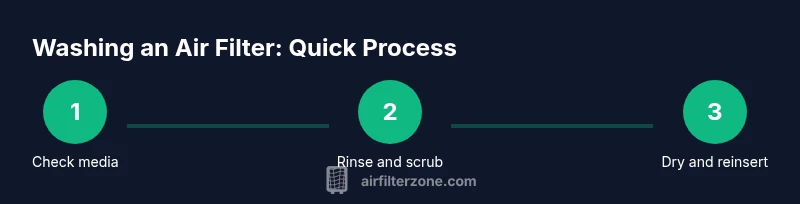
Rinse the filter thoroughly under lukewarm running water to remove loosened dust and detergents. Inspect the media for any remaining dirt and rinse again if needed. After rinsing, shake off excess water gently and avoid wringing or twisting, which can distort the media. Lay the filter flat or on a drying rack in a shaded, well-ventilated area. Allow it to air-dry completely before reinstallation; refer to the manufacturer’s guidelines for typical drying times. Never force the filter into the housing while it’s still damp, as this can create air leaks or gasket damage.
Reinstallation and testing airflow
Once the filter is completely dry, reinstall it carefully in the correct orientation. Make sure the seals are aligned and the frame sits flush against the housing. Turn the system back on and listen for smooth airflow; a whistling sound or reduced airflow can indicate a poor seal or an incorrectly seated filter. If in doubt, remove and inspect the fit again before powering the system. Proper installation ensures the cleaned filter performs as intended and maintains indoor air quality.
Washing cadence: how often to clean
Frequency depends on usage, environment, and filter type. In dusty areas or for household systems with pets, more frequent cleaning can be beneficial, whereas cleaner indoor environments may require less frequent washing. Always follow the manufacturer’s recommended cleaning interval if provided. Use visual cues—grime buildup, visible discoloration, or noticeable airflow changes—to decide when a wash is due. Regular cleaning helps sustain filtration efficiency and can be part of a broader air-quality routine.
Alternatives: when to replace vs wash
If a filter shows signs of wear, tears, distortion, or persistent odors after washing, replacement is the safer option. Some media degrade after repeated cleanings, compromising filtration efficacy and possibly allowing contaminants to bypass the system. In vehicles, a clogged or degraded filter can affect engine and cabin air performance. Always balance the cost and effort of washing against the potential benefits of a fresh filter, and when in doubt, opt for a replacement to maintain optimal filtration.
Tools & Materials
- Mild dish soap(use a gentle detergent, avoid bleach or fragrances)
- Warm (lukewarm) water(not hot to protect media)
- Soft brush(nylon or natural bristles; non-abrasive)
- Large basin or sink(big enough to submerge the filter)
- Towel or drying rack(for patting dry or air-drying)
- Protective gloves(hand protection when handling detergents)
- Seal-able bag or cover(for storage while drying)
- Ventilated drying area(avoid direct sunlight on sensitive media)
Steps
Estimated time: 35-60 minutes (active work plus drying time)
- 1
Identify filter type and power down
Power down and unplug the unit, then check the filter label or manufacturer instructions to confirm if it’s washable. This ensures you don’t damage a disposable media or compromise safety.
Tip: When in doubt, assume non-washable and skip to replacement. - 2
Remove the filter safely
Gently remove the filter from its housing, taking care not to bend or tear the media. Place it on a clean surface to prepare for cleaning.
Tip: Keep the housing seal intact to avoid misplacement. - 3
Rinse to remove loose dust
Rinse the filter under a gentle stream of lukewarm water from the clean side outward to push dirt away from the media. Do not use high-pressure spray.
Tip: Let gravity help; avoid squeezing during rinsing. - 4
Prepare cleaning solution and soak
In a basin, mix a small amount of mild dish soap with lukewarm water. Submerge the filter only if the media allows soaking, and limit soak time to a short interval.
Tip: Check media type before soaking to prevent damage. - 5
Gently scrub the media
Use a soft brush to loosen embedded dirt from the filter media. Avoid aggressive scrubbing that could tear fibers or disturb the pleats.
Tip: Always brush with the direction of the media’s weave. - 6
Rinse until clear
Rinse again under lukewarm water until the rinse runs clear and no soap residue remains. Inspect for remaining dirt.
Tip: If color remains, repeat rinse lightly. - 7
Dry thoroughly without wringing
Gently press out excess water with your hands or a towel. Do not wring or twist; reshape if needed, and place on a drying rack away from direct heat.
Tip: Allow complete air-dry before reinstalling. - 8
Reinstall and test
Slide the dry filter back into its housing, ensuring a snug fit. Power the system and verify airflow and seals are correct.
Tip: If you hear unusual noises, reseat the filter and recheck seals. - 9
Record maintenance and plan next cleaning
Note the date of the wash and plan the next cleaning interval based on usage and environment. This keeps your air quality consistently high.
Tip: Keep a simple maintenance log for reference.
FAQ
Is every air filter washable, or are some disposable only?
Not every air filter is washable. Always check the label or manufacturer’s instructions. If the media is disposable, do not attempt to wash it as it can tear and reduce filtration effectiveness.
Many filters are not washable; check the label first. If it’s disposable, don’t wash it.
How often should I wash a washable air filter?
Washing frequency depends on usage, environment, and filter type. In dusty or pet-heavy settings, more frequent cleaning may be beneficial; otherwise, follow manufacturer guidelines and monitor for visible dirt or reduced airflow.
Frequency depends on use and environment; watch for visible dirt and reduced airflow.
Can I use a dishwasher or washing machine to clean a filter?
Disposables and many washable media are not designed for dishwasher or machine cleaning. Submerging in such appliances can warp the media and damage seals. Clean by hand with mild soap and lukewarm water unless the manufacturer explicitly allows machine cleaning.
Don’t use a dishwasher unless the manufacturer says it’s safe.
What should I do if the filter is damaged after washing?
If you notice tears, warping, or reduced fit after washing, replace the filter. Damage can allow unfiltered air to bypass the media, reducing effectiveness and possibly causing system strain.
Replace the filter if you see damage after washing.
Is it okay to dry the filter using direct sunlight or heat?
Direct heat or sunlight can warp or degrade some media. Air-dry in a shaded, well-ventilated area away from direct heat sources to preserve the filter’s integrity.
Air-dry away from direct heat to protect the media.
Should I replace the filter instead of washing if it looks dirty even after cleaning?
Yes. If the filter remains dirty, is damaged, or has persistent odors after washing, replacement is recommended to maintain effective filtration.
If it stays dirty after cleaning, replace it.
Watch Video
Quick Summary
- Identify whether the filter is washable before cleaning.
- Use mild soap and lukewarm water; avoid heat and harsh chemicals.
- Dry completely before reinstalling to maintain performance.
- Do not force a fit; a proper seal is essential for airflow.
- Regular maintenance extends filter life and air quality.