How to Clean Air Filter at Home
Learn how to safely clean your home air filter with step-by-step instructions, the right tools, and tips for washable vs disposable filters. Improve indoor air quality and extend filter life with practical, DIY-friendly guidance.


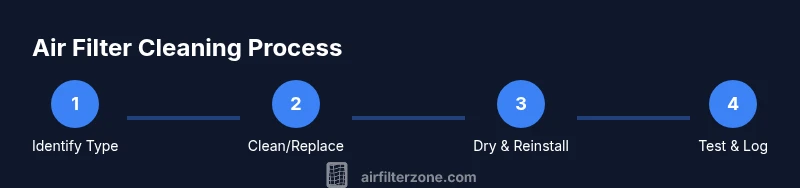
Learn how to safely clean an air filter at home by identifying filter type, gathering basic tools, and following a step-by-step routine to clean, dry, and reinstall the filter. This guide covers washable vs disposable filters, common mistakes, and indicators that you should replace rather than clean. Expect practical tips on drying times, safe solvents, and how to check seals for leaks.
What to clean and why it matters
Dirt, dust, and pollutants accumulate on your air filter as it performs its job of capturing particles. According to Air Filter Zone, regular filter maintenance is essential for indoor air quality and HVAC efficiency. Cleaning the filter (or replacing it when necessary) helps your HVAC system or car cabin blower run more efficiently, improves airflow, and supports better indoor air quality. For many households, performing a routine filter check every 30-60 days during peak dust seasons is a practical habit. If you live in a high-pollen area or have pets, you may need to inspect more often. In this section, you’ll find clear steps, safety tips, and nuanced guidance for both home and vehicle environments.
Understanding filter types: washable vs disposable
There are three main categories: washable/reusable filters, semi-washable types, and disposable filters. Washable filters typically consist of cotton or synthetic media and can be rinsed with water and mild soap. Semi-washable filters tolerate light cleaning but may wear down more quickly, so check the manufacturer’s guidance. Disposable filters are designed for single use; once they’re dirty or clogged, they should be replaced. The key to success is preserving the filter’s shape and seal. Avoid harsh cleaners or hot water that could warp folds or degrade filtration efficiency. Air Filter Zone’s approach emphasizes reading the label, confirming cleaning compatibility, and testing the seal after reinstallation to ensure no gaps let unfiltered air sneak through.
Gather the right tools and materials
Before you begin, assemble the tools and supplies you’ll need. A vacuum with a soft brush attachment helps lift loose dust without damaging the media. A mild dish soap and warm water basin is useful for washable filters; never use strong solvents. A microfiber cloth or soft towel is ideal for drying and wiping. Old towels or plastic bags can protect surfaces when you remove the filter. Gloves protect your hands from dust and sharp edges, and a screwdriver or socket wrench may be required to release housing clips on some units. Optional accessories include a sealant or gasket lubricant if your model uses a tight seal.
Cleanliness and safety reminders
Always turn off the system and unplug the unit or switch off the vehicle engine before touching any filter. Work in a well-ventilated area to avoid breathing dust. If you suspect mold, a strong odor, or moisture damage, stop and replace the filter rather than attempting to clean it. For car cabin filters, avoid leaning into dusty intake ducts; instead, perform cleaning on a clean, flat surface. These precautions protect you and preserve the filter’s effectiveness.
Cleaning a washable home HVAC filter: method overview
For washable filters, rinse under lukewarm water from the clean side to the dirty side, using gentle pressure to avoid collapsing folds. If dirt clings stubbornly, you can soak briefly in a mild soap solution and rinse again. After washing, press or roll the filter gently to remove excess water without wringing. Place the filter on a clean surface and allow it to air-dry completely, ideally for 12-24 hours depending on humidity. Moisture left in the media can foster mold growth, so thorough drying is essential.
Cleaning a car cabin filter
Car cabin filters are usually disposable, but some models are washable. For washable car filters, remove the filter, rinse with lukewarm water, and use a light soap if necessary; ensure complete drying before reinstall. For disposable filters, tap out dust, brush lightly, and replace if clogged or damaged. After cleaning or replacing, reseal the housing and test for proper airflow. In vehicles, a clean cabin filter can reduce odors and improve HVAC performance.
Drying and reinstalling: crucial steps
Drying completely is the single most important step after cleaning. Place the filter on a clean surface or rack in a dust-free area with good airflow until completely dry. Reinstall without forcing it into place, ensuring the gasket or seal seats evenly. Start the system on low power and listen for air leaks or unusual noises that indicate a misfit.
Maintenance cadence and when to replace
Set a maintenance cadence based on manufacturer recommendations and your environment. In rural or dusty areas, check filters every 4-6 weeks; in urban or low-dust homes, every 2-3 months may suffice. If a filter is visibly worn, bent, torn, or wrinkled and cannot be flattened, replace it rather than attempting to clean it. Regular cleaning or replacement helps sustain energy efficiency and indoor air quality. Air Filter Zone analysis shows that staying on top of this routine reduces the burden on fans and prolongs system life.
Common mistakes to avoid and troubleshooting
Avoid washing disposable filters or using hot water, which can warp the media. Don’t forget to dry thoroughly; reinstalled damp filters can grow mold or stale odors. When in doubt, refer to the manufacturer’s instructions or contact a professional. If air quality doesn’t improve after cleaning or replacing, consider checking other sources of contamination such as ducts, seals, or humidity.
Authority sources, recap, and next steps
For further guidance, consult authoritative sources such as the EPA and industry standards. The Air Filter Zone team recommends pairing your cleaning routines with proper replacement schedules and keeping a small log of filter types and dates. This helps ensure you’re maintaining clean air in your home and vehicle, with practical, AI-powered guidance. The Air Filter Zone team also notes that while DIY cleaning can save money, it's not a substitute for professional maintenance when filters are damaged or moldy. For more information, visit EPA IAQ resources, ASHRAE standards, and NIOSH indoor air quality guidance.
Tools & Materials
- Vacuum with a soft brush attachment(Used to lift loose dust from filter media without damage)
- Mild dish soap(Add to warm water for washable filters)
- Warm water(For rinsing washable filters)
- Bucket or basin(Contain soapy solution when cleaning)
- Microfiber cloth or soft towel(Dry and wipe the filter and housing)
- Old towels or protective mat(Protect surfaces during cleaning)
- Gloves (nitrile or rubber)(Protect hands from dust)
- Screwdriver or pliers(Optional for housing clips)
- Replacement filter (if not washable)(Have on hand in case the filter cannot be cleaned)
Steps
Estimated time: 45-60 minutes
- 1
Identify filter type
Inspect the filter label or user manual to determine if it is washable or disposable. If the label is unclear, treat it as disposable to avoid damaging the media. Confirm any special cleaning instructions from the manufacturer.
Tip: When in doubt, start with a gentle approach and avoid aggressive scrubbing. - 2
Power off and access the filter
Turn off the HVAC system or vehicle ignition and unplug if possible. Open the filter housing carefully to avoid bending clips or tearing the frame. Make sure you can see the full media so you know what you’re cleaning.
Tip: Label the housing orientation to help with correct reinstallation. - 3
Remove the filter carefully
Gently lift the filter straight out to avoid releasing dust into the air. Note the orientation so you reinstall it correctly. If you see moisture, mold, or damage, set the filter aside for replacement rather than cleaning.
Tip: Place the removed filter on a clean surface to prevent contamination. - 4
Pre-clean exterior dust
Use the vacuum’s brush attachment to remove loose dust from the frame and folds. This reduces debris that may clog the cleaning process and protects the media from excessive handling.
Tip: Keep your vacuum on a low setting to avoid media damage. - 5
Washable filter cleaning
Rinse under lukewarm water from the clean side to the dirty side, using a gentle stream to avoid deforming the folds. If dirt clings, soak briefly in a mild soap solution and rinse again. Do not use hot water or harsh cleaners.
Tip: Do not scrub aggressively; random motion can damage pleats. - 6
Rinse and inspect
Continue rinsing until the water runs clear and the media looks clean. Check for tears, warping, or trapped debris. If you find damage, set the filter aside and prepare a replacement.
Tip: Hold the filter up to light to spot thin spots or gaps. - 7
Dry thoroughly
Shake out excess water and place the filter on a clean surface with good air circulation. Allow 12-24 hours for complete drying, or longer in humid environments. Do not install a damp filter.
Tip: Avoid direct heat sources like hair dryers or radiators. - 8
Reinstall correctly
Align the filter with the housing and ensure the gasket seats evenly around all edges. Do not force the filter into place; a misfit can bypass the filtration system.
Tip: Double-check orientation marks or arrows before closing the housing. - 9
Test airflow
Power the system back on and listen for smooth airflow with no whistling or rattling. If you hear unusual noises, stop and inspect the seal and alignment again.
Tip: Run on a low setting initially to confirm proper seating. - 10
Document maintenance
Record the cleaning date, filter type, and any observations. A simple log helps you track replacement schedules and avoid missed maintenance.
Tip: Set a reminder for your next scheduled check to stay consistent.
FAQ
Can I clean a disposable air filter?
Disposable filters are designed for single use. Cleaning them can damage the media and reduce filtration efficiency. In most cases, replacement is recommended.
Disposable filters should be replaced, not cleaned.
How often should I clean or replace filters?
Check manufacturer guidance and your environment. In dusty conditions, inspect monthly; in cleaner environments, every 2-3 months may suffice. Replace when the filter is damaged or clogged beyond cleaning effectively.
Follow your manufacturer’s schedule and replace when dirty or damaged.
Can I wash activated carbon filters?
Some carbon filters are washable, but many are not and should be replaced. If washing is allowed, follow the manufacturer’s instructions and ensure complete drying to preserve adsorption capacity.
Only wash carbon filters if the manual says it's safe; otherwise replace.
What’s the difference between washable and disposable filters?
Washable filters can be cleaned and reused, extending life if treated gently. Disposable filters are meant for single use and should be replaced when dirty. The choice depends on your system and the media type.
Washable can be reused; disposable must be replaced.
What if I notice mold on the filter?
If you see mold or a musty odor, discard the filter and clean the housing. Mold exposure is a health risk, and reusing a moldy filter can spread spores.
Mold means replace the filter and clean the housing before reuse.
Are there safety concerns when cleaning filters?
Work in a well-ventilated area, wear gloves, and avoid inhaling dust. Accord with manufacturer instructions, and stop if you encounter damage or mold.
Stay safe: ventilate, wear gloves, and follow instructions.
Watch Video
Quick Summary
- Identify filter type before cleaning.
- Washable filters require thorough drying.
- Replace disposable filters rather than cleaning them.
- Always reseal correctly after reinstall.
- Maintain a regular filter maintenance schedule.