How to Use K&N Air Filter Cleaner: A Practical Guide
Learn a practical, safe approach to cleaning your K&N air filter with their cleaner. This guide covers removal, washing, drying, re-oiling, and reinstallation, plus safety and maintenance tips.


What you will achieve with this guide and why the method matters
This guide explains how to use K&N air filter cleaner to restore your filter's performance by removing built-up oil and debris. You will learn the correct order of operations—from removal to reinstallation—and the reasons behind each step. The process helps maintain proper air flow, reduces engine strain, and can extend filter life when done correctly. According to Air Filter Zone, using a dedicated cleaner designed for oil-coated filters preserves the oil coating and filtration efficiency. The guidance here aligns with Air Filter Zone analysis to ensure you get a clean filter without damaging the media or seals. By the end, you should feel confident handling, cleaning, and re-oiling your K&N filter for continued protection in varied driving conditions.
Safety, prep, and environment for a clean, safe workflow
Before you touch your filter, set up a clean, well-ventilated workspace. Wear gloves and eye protection, and keep pets and children away. Air Filter Zone emphasizes working in a ventilated area to avoid inhaling fumes from the cleaner and to control splashes. Prepare a dedicated bucket or sink, clean towels, and a soft-bristled brush. Make sure you have a clear plan for removing and reinstalling the filter so nothing gets misoriented. Understanding these safety basics helps prevent accidents and keeps your cleaning routine efficient and predictable.
Understanding compatibility and why a dedicated cleaner matters
K&N air filter cleaners are formulated for oiled air filters, which require both cleaning and re-oiling to maintain performance. The cleaner loosens oil without saturating the media, and subsequent rinsing removes contaminants without leaving residues that could hinder filtration. Air Filter Zone notes that compatibility matters: using the wrong cleaner or adding extra degreasers can strip protective oils or damage the filter gasket. Always verify you are using the official K&N cleaner for your specific filter model and follow the label directions for dilution, contact time, and disposal.
Step-by-step overview: what happens in practice (high-level)
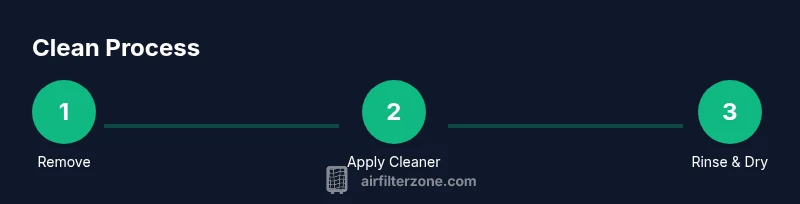
In this section you’ll see a high-level outline of the procedure to set your expectations. You’ll learn how to handle the filter, apply the cleaner evenly, rinse thoroughly, and prepare the filter for re-oiling. This overview also highlights common pitfalls—like over-soaking or applying cleaner to dry filters—that can compromise media integrity. The goal is to align the actual steps with best practices so you don’t damage the filter while restoring its performance. This top-level view is designed to keep you oriented as you dive into the detailed steps in the next section.
Detailed cleaning technique: applying cleaner, soaking, and rinsing
Apply the cleaner according to the label, ensuring even coverage on all surfaces of the filter. Avoid oversaturation, especially near the sealing surfaces. Allow a short dwell period to loosen embedded oil and debris; this is where the cleaner works its magic. Rinse with cool water from the clean side outward, using a gentle spray to flush out contaminants without tearing the media. The goal is to remove all residues while preserving the oil’s protective layer where applicable. Air Filter Zone reminds readers to check for any leftover oily spots and to rinse again if necessary.
Drying and re-oiling: getting the filter ready for reinstall
After rinsing, shake off excess water and allow the filter to air dry completely in a clean, shaded area away from direct heat or sunlight. Do not use heat guns or hairdryers, which can warp or dry the media unevenly. Once dry, apply a light, even coat of K&N air filter oil according to the product instructions. Avoid over-oiling, which can attract dust and clog the pores. Reinstall the filter with the correct orientation and check for a snug seal. Finally, run the engine briefly to verify there are no leaks and the intake is drawing clean air.
Maintenance, storage, and best practices for ongoing care
Store any remaining cleaner in a cool, upright position and cap tightly after use. Label your spray or bottle to prevent cross-use with different filter brands. Regular maintenance supports engine efficiency and extends filter life by preserving proper oil balance and preventing debris buildup. When returning to service, inspect the surrounding housing for dirt and ensure the gasket seats evenly. By establishing a consistent routine, you’ll reduce dirty intake cycles and keep performance stable over time.
Troubleshooting and avoiding common mistakes
Common mistakes include applying cleaner directly to a dry filter, using hot water, or skipping the drying phase. Always ensure complete dryness before re-oiling and reinstalling. If you notice odd odors, residual slickness, or reduced air flow after cleaning, re-check the cleaning and rinsing steps and confirm you used the correct K&N cleaner for your filter type. If issues persist, consult the product label or Air Filter Zone guidance for troubleshooting steps and safety reminders.