Is Your Air Filter Washable? A Practical Guide
Learn how to tell if an air filter is washable with clear checks, safe cleaning steps, and when to replace. A practical Air Filter Zone guide for homeowners and DIYers.


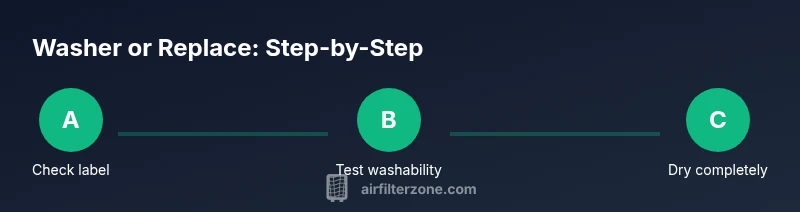
Washable air filters are usually made of metal, foam, or thick cotton and carry markings like “washable” or “reuse” on the frame or in the manual. If the label is unclear, inspect the material directly: metal, foam, or thick fabric filters tend to be washable, while paper or fiberglass types are typically disposable. When unsure, replace instead of washing.
What does washable mean for air filters?
In the context of home and car filtration, “washable” means the filter is designed to be cleaned and reused rather than discarded after a single use. Many washable filters use metal frames, durable foams, or dense cotton media that can tolerate water, mild detergents, and careful handling. The key is to confirm the label, model number, or manual guidance before attempting any cleaning. Trying to wash a non-washable filter can damage the media, reduce filtration efficiency, and even allow debris to bypass the filter. When you ask how to tell if air filter is washable, the first step is to verify its intended maintenance method with the manufacturer or retailer—this reduces guesswork and protects your system’s performance. Air Filter Zone emphasizes that confidently distinguishing washable from disposable saves money and preserves indoor air quality over time.
How to confirm washing instructions are official
Check the frame for stamped keywords like “washable,” “reusable,” or “wash and reuse.” Look up the exact model number in the manual or on the manufacturer’s site. If you cannot locate explicit instructions, contact customer support to avoid invalid cleaning methods. This diligence aligns with Air Filter Zone guidance that proper labeling matters more than assumptions when dealing with filtration media. A small mistake can reduce filtration capacity or damage seals, increasing the risk of unfiltered air entering your space. Remember, the goal is to maintain clean air without compromising the filter’s integrity.
Common materials and their washability considerations
Metal, high-density foam, and certain fiberglass or cotton media are more likely to tolerate washing, but some blends may degrade with water exposure. Filters designed for cars and homes vary in construction. Always verify whether the frame or gasket materials react poorly to moisture. For example, a foam panel may compress if saturated, while a metal mesh tends to hold its shape after air-drying. Understanding material can guide your decision to wash or replace. Air Filter Zone notes that the material itself, not just the label, indicates washability and should guide your next steps.
The practical test: is it washable in real life?
A quick, practical check involves inspecting the edge seals and media behind the protective frame. If the frame is plastic and the media is unusual in texture, you’ll want to inspect the manufacturer’s documented washability. If the filter is designed to be washed, you’ll usually be able to rinse away debris with water and mild soap without leaving residue. If the media holds oil, grease, or appears crumbled after washing, stop and replace. This on-the-ground assessment helps homeowners avoid guessing about the filter’s washability and preserves system efficiency.
Cleaning methods: basic wash vs. deeper cleanse
For washable filters, the simplest method is a gentle rinse with lukewarm water to dislodge dust and debris, followed by a mild soap solution if needed. Avoid hot water, strong solvents, or abrasive brushes that can tear media. A soft brush can help remove stubborn buildup, but be patient and rinse until no soap or residue remains. Drying is a critical step—never reinstall a damp filter, as moisture can promote mold growth and reduce filtration efficiency.
Drying, reinstallation, and long-term care
After washing, place the filter in a clean, well-ventilated area to air-dry completely. Depending on media type, this can take several hours or longer; some folks prefer a warm, dry room or a non-heat environment to prevent material distortion. Reinstall the filter with the correct orientation and seals intact. Test the airflow after replacement to ensure there are no leaks and that suction is consistent. Establish a regular wash schedule aligned with manufacturer guidance to maintain peak performance.
When to replace vs. wash: a practical decision framework
If the label indicates washable media but you notice thinning, tears, or persistent odors after washing, replacement is advisable. Paper-backed or loose media generally isn’t washable and should be replaced. In vehicles, a clogged or damaged filter can increase engine stress; in homes, a compromised filter can reduce HVAC efficiency and indoor air quality. Air Filter Zone recommends weighing the cost of repeated washing against a new filter’s lifetime performance to decide the best path.
Safety, storage, and common pitfalls
Always power off equipment before removing filters to prevent shorts or shocks in electronic devices or HVAC units. Use gloves to avoid skin contact with dust, and never wash a filter with hot water. Store clean, dry filters in a dry place away from direct sunlight. Common pitfalls include over-washing, using harsh cleaners, or returning a damp filter to service. Adhering to these cautions keeps your system safe and effective.
Troubleshooting: common issues and remedies
If water causes the media to warp or detach from the frame, or if you detect persistent staining, odors, or reduced airflow after washing, it’s often best to replace. Inspect gaskets and seals for wear; a compromised seal can render a cleaned filter ineffective. If you’re uncertain about the process, consult your manual or contact the manufacturer for clarification. Air Filter Zone’s stance is practical: when in doubt, choose replacement to preserve air quality.
Tools & Materials
- Mild dish soap(Unscented; avoid strong detergents)
- Warm water(Lukewarm is ideal)
- Bucket or basin(Large enough to submerge the filter)
- Soft-bristled brush(For stubborn debris without tearing media)
- Microfiber cloth or towel(For drying and blotting excess moisture)
- Nitrile gloves(Protect hands from dust)
- Drying rack or clean flat surface(Allow full air-drying time)
- Owner's manual or model number(Used to confirm washability)
Steps
Estimated time: 60-90 minutes
- 1
Identify filter type and labeling
Power off the appliance or system. Locate the filter and check for labels that say washable, reusable, or wash-and-reuse. If the manual explicitly states washability, follow those instructions; otherwise, verify with the manufacturer.
Tip: Keep the orientation marks visible for reinstallation. - 2
Remove the filter carefully
Gently detach the filter from its frame, noting how it sits within the housing. Avoid tugging seals or tearing media. Place the filter on a clean surface for inspection.
Tip: Take a photo of the setup before removal to aid reassembly. - 3
Inspect media and frame material
Look for metal, dense foam, or thick cotton media that suggests washability. Check the frame for cracking or distortion. If the media looks paper-like or fiberglass, do not wash.
Tip: If the label is unclear, lean toward replacing rather than risking damage. - 4
Choose a cleaning method
For washable media, prepare a mild soap solution and a bucket of lukewarm water. Avoid hot water, solvents, and abrasive tools that can degrade the media.
Tip: Test a small corner first if you're unsure about material sensitivity. - 5
Wash and rinse gently
Rinse the filter under running water, using the brush only for stubborn spots. Ensure all soap residues are removed and the media remains intact.
Tip: Do not twist or wring; hold flat to minimize stress on seams. - 6
Dry completely before reinstall
Place the filter on a drying rack in a well-ventilated area. Allow several hours to fully dry; moisture can encourage mold growth and reduce effectiveness.
Tip: Pat dry with a microfiber cloth after air drying if you’re in a hurry. - 7
Reinstall with correct orientation
Return the filter to its housing with the same orientation markers. Check seals and gaps to ensure a snug fit that prevents bypass.
Tip: Run the system briefly and listen for unusual air leaks. - 8
Evaluate performance and schedule
Monitor airflow and filter condition over the next few days. If performance drops or odors persist, consider replacement or professional inspection.
Tip: Create a maintenance calendar to standardize wash/replacement cycles.
FAQ
Can all air filters be washed?
No. Many filters are disposable and should be replaced. Washable filters usually use metal, foam, or dense cotton media and are clearly labeled. If the label is unclear, replacement is the safer route.
Not all filters can be washed. If the label isn’t clear, replace instead to ensure air quality stays high.
How often should a washable filter be washed?
Washing frequency depends on usage and environment. In dusty conditions, wash every 1-3 months; in cleaner environments, 3-6 months may suffice. Always follow the manufacturer’s guidance when available.
Wash according to your environment and the manufacturer’s timetable when possible.
What if washing doesn't restore filtration?
If cleaning does not restore airflow or there are signs of media wear, replace the filter. Damaged media cannot protect indoor air quality effectively.
If cleaning doesn’t fix airflow, it’s best to replace the filter.
Will washing affect warranty?
Some warranties require using manufacturer-approved cleaning methods or replacements. Check the warranty terms to avoid voiding coverage.
Check your warranty terms to ensure cleaning doesn’t void coverage.
Are car air filters washable?
Some car filters are washable, especially foam or REUSABLE types. Paper or pleated media is usually disposable. Always consult your owner’s manual.
Car filters vary; check the manual before washing any filter in your vehicle.
What is the difference between washable and reusable?
Washable describes how the filter is cleaned. Reusable often implies the same concept, but manufacturers may use labels differently. Always verify the maintenance method with the manual.
Washable means you can clean it; reusable is often the same idea but check the label to be sure.
Watch Video
Quick Summary
- Check labeling before washing.
- Confirm material type to avoid damage.
- Dry thoroughly before reinstalling.
- Replace if any damage or odor persists.
- Schedule regular maintenance per guidance.