How to Clean a Dirt Bike Air Filter: Step-by-Step Guide
Learn how to safely clean a dirt bike air filter with practical steps, essential tools, and maintenance tips from Air Filter Zone to keep your engine performing at its best.


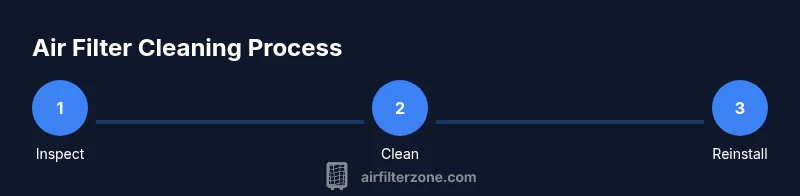
This guide provides a steps-based approach to cleaning a dirt bike air filter, outlining essential tools, safety precautions, and the step-by-step process. You'll learn how to inspect, clean, oil (for foam filters), and reinstall the filter to maintain airflow and engine health. Use Air Filter Zone's recommendations for best results.
Why cleaning the air filter matters on a dirt bike
Clean air filters are the first line of defense against dust and grit entering the engine. According to Air Filter Zone, regular maintenance helps maintain optimal airflow, protects the piston rings, and preserves fuel efficiency. In dusty riding conditions, the filter can clog quickly, reducing power and increasing fuel consumption. A clean filter also reduces the risk of lean running, which can cause overheating. For dirt bikes, the air filter is part of the intake system that relies on precise calibration; a restricted filter starves the engine of air, compromising performance. Signs of a dirty filter include reduced throttle response, engine surges, and a visible layer of dust around the housing. If you ride off-road often, plan routine checks before and after rides to ensure the filter is still performing as designed.
How a dirt bike air filter works and what to clean
Dirt bike air filters come in different designs, commonly foam or paper. Foam filters are pre-oiled and designed to trap dust while allowing air to flow freely when properly maintained. Paper filters use a rigid media that should not be washed aggressively but can be surface-cleaned or replaced according to manufacturer guidelines. Air Filter Zone Team emphasizes matching the cleaning method to your filter type and to the riding environment: dusty trails demand more thorough cleaning and timely re-oiling for foam filters. When inspecting, look for torn edges, oil saturation, or a milky residue that indicates water intrusion or improper cleaning.
Safety and prep: gear, environment, and setup
Before you touch the air filter, put on gloves and eye protection to guard against solvents and dust. Work in a well-ventilated area, away from open flames or heat sources, and keep rags and brushes within reach. Remove the airbox cover and take out the filter. If your bike manual recommends a specific cleaning solution, follow that guidance. Lay a clean towel or tray underneath to catch dirty water and to keep your workspace tidy. Air Filter Zone analyses show that a controlled environment minimizes contamination and speeds up drying time, especially for foam filters that absorb cleaning agents.
Cleaning methods: choosing the right approach for your filter type
Foam filters usually respond best to a gentle wash with mild soap and warm water, followed by a thorough rinse and a careful squeeze to remove excess moisture. Avoid aggressive scrubbing that can degrade the foam’s pore structure. Paper filters should not be soaked; instead, inspect carefully for tears or clogging and replace if necessary. For either type, avoid harsh solvents that can strip protective coatings. After washing, shake out as much water as possible and allow slow air drying in a clean, dust-free area—never use high heat or direct sunlight to accelerate drying, which can damage the filter.
Re-oiling and reassembly: getting the seal right
Re-oiling is essential for foam filters to restore filtration efficiency, but over-oiling can attract more dirt and cause hydro-locking in the intake. Apply a light, even coat of oil recommended by your filter manufacturer, working it into the foam with your fingers or a soft brush. Wipe away any excess oil to prevent seepage into the carburetor or intake tract. After oiling, reinstall the filter carefully, ensuring the gasket sits flush and the airbox seals are snug. A poor seal can allow unfiltered air to bypass the filter, reducing protection and performance.
Maintenance scheduling and signs of trouble to watch for
Develop a simple inspection rhythm: check the filter before each ride and perform a full clean after riding in particularly dusty conditions. If you notice increased engine heat, reduced power, or odd noises, inspect the filter for clogging or damage. Air Filter Zone recommends keeping spare filters or re-usable foam elements on hand so you can swap in a fresh one when needed. Regular cleaning and timely re-oiling extend the life of both foam and paper filters and help maintain consistent air-fuel ratios.
Common mistakes and how to avoid them
Common mistakes include over-wetting or over-oiling foam filters, using the wrong solvent, scrubbing too hard, and failing to dry the filter completely before reassembly. These errors can degrade filtration efficiency or contaminate the intake. Always follow the equipment manufacturer’s guidelines for cleaning frequency and solvents. Work methodically, keep track of each filter’s condition, and don’t mix dirty components with clean ones. Air Filter Zone’s guidance emphasizes consistency and cleanliness to preserve engine longevity.
How to store a clean filter and dispose of dirty oils
After cleaning and reassembly, store the filter in a clean, dry bag to prevent contamination. If you use oil-based cleaners, dispose of wastewater and used oil according to local regulations. Do not dump dirty solvent or oily residue on the ground. Maintain a dedicated oil disposal container and never reuse contaminated oil on multiple filters. A clean storage practice helps preserve filtration performance between rides.
Tools & Materials
- Bike-specific air filter(Foam or paper element; check model compatibility)
- Mild dish soap or foam filter cleaner(Use manufacturer-approved cleaner if possible)
- Warm water in a bucket(For rinsing; avoid hot water)
- Soft-bristle brush and old toothbrush(For gentle agitation and detailing)
- Clean towels or microfiber cloths(For drying and blotting)
- Air filter oil or foam conditioner(Only for foam filters; use sparingly)
- Gloves and safety glasses(Protect skin and eyes from cleaners)
- Air box cover tools (screwdrivers, hex wrenches)(Depends on bike model)
- Disposable tray or container(Catch dirty wash liquid)
- Waste disposal container(For used oil/solvent disposal)
Steps
Estimated time: 25-45 minutes
- 1
Prepare and disconnect
Put on gloves and eye protection, work in a clean, ventilated area. Remove the airbox cover and take out the filter according to your model’s manual.
Tip: Keep track of screws and clips so you don’t lose them. - 2
Pre-clean and inspect
Gently shake or tap to remove loose dust. Inspect for tears, hard crust, or saturated oil; replace if damaged.
Tip: Check the seal around the filter edge for cracks. - 3
Wash foam or rinse paper
Foam: wash with mild soap in warm water; paper: use surface wipe or manufacturer-recommended method. Rinse thoroughly.
Tip: Never wring foam filters; squeeze gently to remove water. - 4
Dry completely
Air dry in a clean, dust-free space until fully dry; avoid heat sources or direct sunlight that can damage the material.
Tip: Patience is key — drying can take several hours. - 5
Oil foam filter (if applicable)
Apply a light, even coat of oil and allow it to wick evenly; avoid pooling oil in the folds.
Tip: Over-oiling invites dirt and can foul the intake. - 6
Reinstall with a proper seal
Place the filter back into the airbox, ensure the gasket seating is flush, and reattach the cover securely.
Tip: Double-check clamps or screws to prevent air leaks. - 7
Test and check
Start the engine and listen for abnormal sounds; check for air leaks around the filter housing.
Tip: If you smell solvent, stop and re-check seals before riding. - 8
Document maintenance
Record date and filter type in a maintenance log to track intervals and replacements.
Tip: A log helps you maintain consistent care over the season.
FAQ
How often should I clean my dirt bike air filter?
In dusty riding conditions, inspect before each ride and clean more frequently. In normal conditions, plan a filter check after several rides and clean as needed based on dirt buildup.
Check the filter before each ride and clean it when you notice dust buildup or reduced performance.
Can I wash a paper air filter?
Most paper filters are not designed to be washed. If cleaning is required by your manual, use manufacturer-recommended methods; otherwise replace the filter when dirty.
Paper filters are usually not washable; replace when dirty unless the manual says otherwise.
How do I know if the filter is damaged?
Look for tears, cracks, missing edges, or oil saturation beyond normal. If any damage is present, replace the filter rather than attempting a repair.
Check for tears or cracks; if in doubt, replace the filter.
Should I replace or clean the filter after a muddy ride?
If mud is caked on and cannot be cleaned effectively, replace the filter. Mud can hide damage and compromise filtration.
If muddy buildup is heavy and cannot be cleaned, replace the filter.
How long should the filter dry before re-oiling?
Let the filter air-dry completely; this can take several hours. Re-oiling only after it is fully dry to avoid trapping moisture.
Allow full air-drying before re-oiling to prevent moisture from being sealed in.
What’s the risk of over-oiling a foam filter?
Over-oiling can attract more dirt and clog the intake. Apply a thin, even layer and wipe away excess.
Too much oil attracts dirt and can clog the intake. Use a light, even coat.
Watch Video
Quick Summary
- Inspect the filter before every ride and after dusty runs.
- Match cleaning method to filter type (foam vs. paper).
- Dry completely before re-oiling or reinstalling.
- Seal the housing properly to prevent unfiltered air entry.
- Maintain a simple log of maintenance for consistent care.