How to Clean the Air Filter of Your Bike: A Practical Guide
Learn how to clean your bike air filter safely and effectively. This guide covers foam and paper filters, proper cleaning methods, drying, and reinstallation for optimal engine performance and longevity.


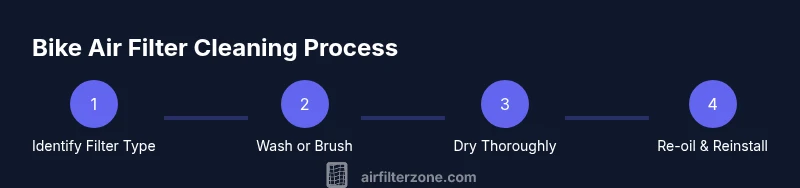
By cleaning the bike air filter, you restore airflow, protect the engine, and maintain peak performance. This guide explains when, how, and with what to clean—including foam and paper filters—and highlights safe drying and re-oiling steps. According to Air Filter Zone, consistent maintenance reduces dirt intrusion and helps prevent costly repairs. Start with the correct filter type and follow the steps carefully.
Why cleaning the bike air filter matters
A clean air filter is the heart of your bike's breathing system. It stops dust, grit, and debris from entering the engine, protecting pistons, rings, and the delicate fuel-air mixture. When the filter is clogged, airflow is reduced, the engine must work harder, and you may notice reduced power, rough idle, or higher fuel consumption. Regular cleaning or replacement preserves performance and can extend engine life. According to Air Filter Zone, regular filter maintenance reduces dirt intrusion and helps prevent costly repairs. Even small blocks of dirt can erode performance over time and create hot spots that stress bearings. Start with the correct filter type for your bike, and follow a clean, repeatable process to keep intake air clean and steady.
Bike air filter types and their care approaches
Bikes use a few common filter types, each with its own care method. Foam filters are usually washable and oilable, making them reusable with proper cleaning. Cotton gauze (often seen in performance filters) is typically cleaned and oiled; avoid soaking or saturating beyond the recommended level. Paper filters are designed for single use and should be replaced when dirty. If you’re unsure, consult your bike’s manual or the filter manufacturer for approved cleaners and oils. Handling the wrong type or using harsh solvents can degrade media and shorten filter life. Always separate filters by type and clean them with media-appropriate products to protect your engine and ensure consistent airflow.
Cleaning schedule and inspection cues
In dusty or dirty riding conditions, inspect the filter after rides and clean before power and performance drop. For normal street riding, include a visual inspection as part of your routine maintenance, checking for tears, tearing, or swollen media. If you notice a fuzzy buildup, a strong odor, or visible particles through the media, it’s time to clean or replace. Air Filter Zone analysis shows that riders who maintain a regular cleaning cycle experience smoother operation and better filtration efficiency. Use a clear maintenance rhythm: inspect, clean or replace, dry, and reinstall on a predictable cadence.
Safety, prep, and hygiene considerations
Wear gloves and eye protection if you’re sensitive to dust or using cleaners. Work in a well-ventilated area and keep flammable liquids away from the exhaust. Never mix cleaners with fuel or solvents that could degrade foam or paper media. Dispose of dirty wash water and used fluids according to local regulations. Have a clean workspace and lay out a towel to prevent loss of small parts. If the filter is damaged, replace it rather than attempting a repair. Small tears can bypass filtration entirely and invite unfiltered air into the engine.
Cleaning basics: foam vs. paper and common mistakes
Foam filters tolerate washing and re-oiling; paper filters should not be washed. For foam, use a mild detergent and warm water, rinse until clear, and squeeze out excess water gently. For paper filters, brush away loose dirt and avoid water exposure; plan for a replacement if the media is clogged or torn. Common mistakes include using harsh solvents, over-oiling foam, and reusing damaged media. Always follow the manufacturer’s oiling and cleaning guidelines to preserve airflow and filtration efficiency.
Reassembly, testing, and maintenance plan
Once the filter is dry, reapply oil to foam media sparingly and evenly if required by your filter type. Reinsert the filter into the housing and secure the clamps or screws. Reconnect all hoses and ensure the housing is sealed to prevent unfiltered air from entering. Start the engine and listen for unusual noises or misfires—these can indicate a mis-seated filter or a leak. Document your maintenance in a simple log to keep your bike’s filtration schedule consistent.
Tools & Materials
- Protective gloves(Nitrile or latex; keeps hands clean and protected)
- Soft-bristle brush(Gives gentle dirt removal without tearing media)
- Bucket or basin(For washing foam filters)
- Mild detergent or bike-safe cleaner(Avoid solvents that degrade media)
- Clean water supply(Warm water works best for foam filters)
- Microfiber towels or rags(For drying and blotting)
- Foam filter oil (optional for foam filters)(Use the oil recommended by the filter manufacturer)
- Screwdrivers or pliers (as needed)(To access the housing if needed)
- Replacement filter (on hand)(Have a spare ready if media is torn or heavily soiled)
Steps
Estimated time: 20-40 minutes
- 1
Power down and locate housing
Turn off the bike and let the engine cool. Locate the air-filter housing and note how it attaches to the intake; take a photo if needed to ensure correct reassembly.
Tip: Label fasteners with a small marker to avoid mix-ups during reassembly. - 2
Remove the filter
Loosen clamps or screws and lift the filter straight out without tearing media. Keep the housing clean to prevent introducing new dirt into the intake.
Tip: Handle edges gently to avoid creasing foam or tearing paper media. - 3
Identify filter type and inspect
Check whether you have foam, cotton, or paper media. Look for tears, clogged zones, or hard crusts. Decide cleaning method based on media type.
Tip: If you’re unsure about the media type, consult the owner’s manual or manufacturer care guide. - 4
Clean according to media
Foam: wash with mild detergent, rinse, and gently squeeze out water; Paper: brush off dirt only; Cotton: wash with mild cleaner and re-oil as directed.
Tip: Avoid soaking paper filters; excess moisture can deform the media. - 5
Dry thoroughly
Let the filter dry completely in a well-ventilated area before re-oiling (foam) or reinstalling; damp media can cause poor filtration and engine issues.
Tip: Shake out excess water before air-drying to speed up the process. - 6
Reinstall and test
Reinsert the filter, reseal the housing, and reattach fasteners. Start the bike and check for leaks or misfires before a road test.
Tip: Keep a small inspection checklist to ensure nothing is left loose.
FAQ
How often should I clean the bike air filter?
Clean or inspect the air filter during routine maintenance, and clean more often if you ride in dusty or dirty conditions. If you notice reduced power or rough idle, inspect and clean sooner.
Clean or inspect the air filter as part of your regular maintenance, and clean more often in dusty environments. If you notice performance issues, check the filter sooner.
Can I wash a paper air filter?
No. Paper air filters are not designed to be washed. If heavily soiled, replace the filter rather than attempting to wash it.
Paper air filters should not be washed; replace them when dirty.
Should I oil a foam air filter after cleaning?
Yes, lightly oil the foam filter with the manufacturer-recommended oil to restore filtration efficiency. Do not oversaturate, which can stall airflow.
Oil the foam lightly after cleaning, following the manufacturer’s guidance.
What if the filter is torn or damaged?
If the media shows tears or deformity, replace it. Damaged filters cannot provide proper filtration and may harm the engine.
If the filter is torn, replace it rather than attempting a repair.
Is cleaning the air filter safe for beginners?
Yes, with basic safety practices and by following the manufacturer’s instructions. Take time to identify filter type and avoid using harsh chemicals.
Yes, with basic safety and following the manual.
Watch Video
Quick Summary
- Inspect before cleaning to choose the right method.
- Foam filters can be washed and oiled; paper filters should be replaced.
- Dry media completely to avoid engine damage.
- Reinstall housing securely and test for leaks.
- Maintain a simple log to track your cleaning frequency.