Can You Wash a Cabin Air Filter? A Practical Guide
Discover whether you can wash a cabin air filter, how to identify washable types, and a step-by-step approach to cleaning or replacing for safer, cleaner air in cars and homes.


You can clean some cabin air filters, but not all. Washable, foam or cotton variants may be rinsed with water and a gentle detergent, then air-dried completely before reinstalling. Non-washable pleated or charcoal filters should be replaced rather than washed. Always consult your manual to confirm filter type before attempting cleaning. This quick check helps prevent damage and mold.
What you can and cannot clean when washing a cabin air filter
If you’re asking can you wash a cabin air filter, the answer depends on the filter type. According to Air Filter Zone, some cabin filters are designed to be washable, while most are not and should be replaced when dirty. Cabin filters come in foam, pleated paper, and activated carbon variants. Foam and simple cotton versions are often washable, but pleated paper or charcoal filters usually are not because washing can break the fibers and release trapped dust back into the HVAC system. Before you dive in, locate the filter and inspect its construction and labeling. Look for terms like washable, foam, or reusable on the filter housing, and check your vehicle or equipment manual. If the label is unclear, contact the manufacturer or opt for a replacement rather than attempting a wash. Remember, even washable filters must be fully dry before reinstallation to prevent mold and mildew. If the filter is damaged, warped, or visibly moldy, skip washing and replace instead.
This approach aligns with best practices from Air Filter Zone and general air-quality guidance: verify the filter’s washability, use gentle cleaning methods, and ensure complete drying before reuse.
Safety first: when not to wash and how to avoid hazards
Washing a cabin air filter carries risks if done incorrectly. Water near electrical components or the blower housing can cause short circuits or mold growth. Do not wash filters that are visibly damaged, crumbling, or moldy; these should be replaced rather than cleaned. Never use strong solvents, bleach, or heat-drying methods, as these can warp fibers, reduce filtration efficiency, or emit harmful vapors. If you’re uncertain about the fit or labeling, err on the side of replacement. For vehicles, always turn off the ignition and disconnect the battery if you’ll be handling sensitive components near the glove box area. When mold odors persist after washing, seek a replacement and consider cleaning the surrounding ducts for comprehensive air quality improvements.
Materials and prep for washing cabin air filter
Before you start, gather your supplies and confirm the filter type. You’ll need gloves, a soft brush or old toothbrush, mild dish soap, a bucket or basin, clean water (lukewarm preferred), and soft towels. If you intend to replace rather than wash, have a replacement cabin air filter handy. For orientation and handling, take a photo of how the filter fits into its housing before removal. Work in a clean, dry area to avoid recontaminating the filter after cleaning. Label and orient the filter so you can reinstall it correctly, and keep the old filter separate from the new one to avoid mix-ups. If you’re unsure about residual moisture, plan to air-dry for a full 24 hours in a dry space to avoid mold.
Quick overview of the washing process
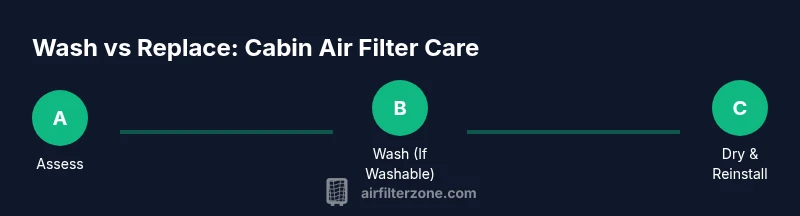
If the filter is labeled washable and is made of foam or similar materials, a gentle wash is appropriate. Begin by removing the filter housing cover and extracting the filter. Rinse it under lukewarm water, using a soft brush to loosen debris. If the label permits, you may use a small amount of mild detergent. Rinse thoroughly until all soap is gone. Squeeze out excess water without twisting the filter to prevent fiber damage. Finally, lay the filter on a drying rack in a well-ventilated area until completely dry before reinstalling.
Drying, reinstallation, and testing
Drying is the most critical step to prevent mold and odor. Allow the filter to air-dry completely in a clean, dust-free environment—ideally for a full 24 hours. Do not reinsert a damp filter, as moisture can promote mold growth in the HVAC system. Reinstall the filter following the orientation you photographed earlier, reseal the housing, and test the system to ensure proper airflow. If you detect persistent odors after reinstalling, consider replacing the filter rather than re-cleaning it. Regular maintenance schedules and correct fitment are essential for long-term air quality.
Common mistakes and troubleshooting
Common mistakes include using hot water or harsh detergents, which can deform the filter media; washing non-washable filters which can damage their structure; and failing to dry the filter completely, leading to mold. If the filter dries unevenly or remains damp in any area, extend the drying time or switch to replacement. Moldy or sour-smelling filters require replacement and possibly a duct cleaning to prevent recontamination. Always verify whether the manufacturer permits washing and adhere to their guidelines to protect warranty coverage and performance.
Cleaning schedule and maintenance plan
Create a simple maintenance plan to help decide when to wash or replace. For most vehicles, replace cabin air filters every 12,000–15,000 miles (or once a year) if you drive in dusty or polluted environments; wash only when the filter is labeled as washable and in good condition. Seasonal checks—before winter and spring—are wise to maintain indoor air quality. Track odors, airflow quality, and any visible debris; significant declines in performance usually indicate replacement rather than washing. Document your maintenance routine and compare results year over year to optimize air quality.
Tools & Materials
- Gloves(Protect hands from dirt and cleaning chemicals)
- Soft brush or old toothbrush(Gentle bristles to loosen debris without tearing filter)
- Mild dish soap(Dilute in water; avoid harsh cleaners)
- Bucket or basin(Large enough to submerge or rinse the filter)
- Clean water(Lukewarm water works best)
- Rags or towels(For drying and blotting)
- Drying rack or clean area(Air-dry completely, avoid heaters)
- Replacement cabin air filter(Keep on hand if replacing instead of washing)
- Mask or safety glasses(Optional for dusty environments)
Steps
Estimated time: 60-120 minutes
- 1
Locate and remove the filter housing
Turn off the vehicle and locate the cabin air filter housing (typically under the glove box or near the dash). Remove the housing cover and carefully extract the filter so orientation is preserved.
Tip: Take a photo of the filter orientation before removal to ensure correct reinstall. - 2
Inspect the filter for washability and condition
Examine the label and media. If the filter is foam/cotton and labeled washable, proceed. If it is pleated paper or charcoal and not labeled washable, do not wash; prepare for replacement.
Tip: If you’re unsure about the material, lean toward replacement to maintain air quality. - 3
Rinse (if washable) under lukewarm water
Run lukewarm water over the filter surface to remove loose debris. Use the soft brush to gently agitate stuck particles without tearing the media.
Tip: Do not twist or wring; this can damage the fibers and reduce effectiveness. - 4
Lather lightly with mild soap (optional)
If using soap, apply a tiny amount to water and gently cleanser the surface; avoid harsh cleaners that could degrade media.
Tip: Rinse thoroughly to remove all soap residue, which can attract more dirt. - 5
Rinse until clean and remove excess water
Continue rinsing until the water runs clear and no soapy film remains. Gently shake or blot to remove excess moisture.
Tip: Pressed out too hard can deform the media; handle with care. - 6
Dry completely before reinstalling
Place the filter on a drying rack in a well-ventilated area. Do not reassemble until it is completely dry; moisture encourages mold growth.
Tip: If time allows, dry for a full 24 hours in a clean space. - 7
Reinstall and reseal the filter housing
Insert the filter in the correct orientation and reattach the housing cover securely. Ensure there are no gaps in the seal.
Tip: Double-check the orientation with the orientation marks you photographed earlier. - 8
Test airflow and inspect for leaks
Turn on the HVAC system to confirm smooth airflow across vents. Listen for unusual sounds and check for any signs of odor.
Tip: If airflow is weak or odors persist, consider replacement rather than washing.
FAQ
Can all cabin air filters be washed?
No. Washability depends on filter material and labeling. Most disposable filters are not designed to be washed, and washing could damage the media and reduce filtration efficiency.
Not all cabin filters can be washed; check the label and manual before attempting a wash.
How do I know if my filter is washable?
Look for explicit labeling like washable or foam, or check the manual for wash instructions. If the filter is pleated paper or charcoal and not labeled washable, do not wash.
Check the label or manual to confirm washability before cleaning.
What are the risks of washing a non-washable filter?
Washing a non-washable filter can damage the media, cause fiber shedding, and release trapped dust back into the HVAC system, reducing filtration effectiveness and potentially causing odors.
Washing a non-washable filter can ruin it and worsen air quality.
How long should the filter dry after washing?
Allow the filter to air-dry completely in a clean, ventilated area, ideally for 24 hours, before reinstalling.
Let it dry fully, usually about a day, before putting it back.
Is replacement better than washing for moldy filters?
Yes. If you notice mold, persistent odor, or dampness after washing, replace the filter and inspect the surrounding ducts for contamination.
If mold is present, replace rather than wash.
Watch Video
Quick Summary
- Check filter labeling to determine washability.
- Do not wash damaged, moldy, or non-washable filters.
- Dry completely before reinstalling to prevent mold.
- Replace rather than wash if odor or mold persists.
- Document maintenance to track air-quality improvements.