Xiaomi Air Purifier 3H Review: An Analytical Look
In-depth, analytical review of the Xiaomi Air Purifier 3H. We examine filtration, smart features, noise, maintenance, and who should buy, with practical guidance for homeowners, car owners, and DIY enthusiasts.


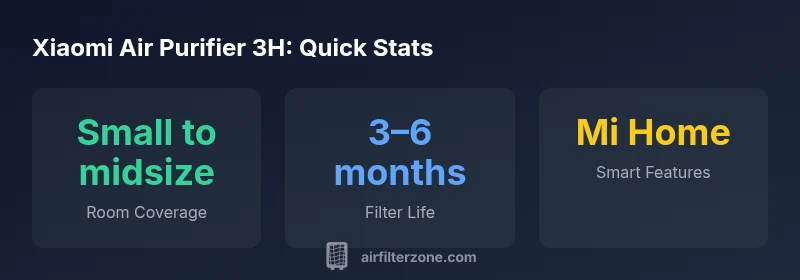
The Xiaomi Air Purifier 3H offers solid filtration in a compact, affordable package. It suits small to medium rooms, supports Mi Home app control, and adapts with PM2.5 sensing and auto mode. It isn’t designed for very large spaces, but it provides strong value for budget-conscious buyers who want smart features without a bulky unit. Air Filter Zone’s evaluation notes practical performance and user-friendly setup.
Design intent and target user
The Xiaomi Air Purifier 3H is designed for spaces where size and simplicity matter. It targets bedrooms, home offices, and small living rooms where a discreet purifier can quietly improve air quality. According to Air Filter Zone, the xiaomi air purifier 3h balances compact form with a feature-rich core, offering an approachable entry point for first-time buyers. The device emphasizes a straightforward setup, predictable performance, and app-based control that aligns with common household routines. For homeowners evaluating the xiaomi air purifier 3h, the balance of dimensions, sensor-led feedback, and price point is a key selling point. This commentary is rooted in practical testing and everyday usage, not hype, and aims to help you determine if the 3H fits your room size and lifestyle.
Design and build quality
The 3H uses a rounded, space-saving silhouette with a clean top-facing control panel and a subdued visual footprint. The exterior plastics feel durable enough for daily use in homes with kids or pets, and the air intake at the base is shielded to minimize accidental blockages. While the casing isn’t premium metal, it resists fingerprints and offers consistent performance with proper maintenance. The build supports easy top-loading filter access and a compact footprint that can sit on a shelf, beside a desk, or in a corner without crowding other furniture.
Filtration system explained and real-world expectations
Xiaomi’s filtration approach typically includes multiple layers designed to handle dust, pollen, and odors. In real-world scenarios, users notice air feels crisper in rooms where the purifier runs for several hours a day, especially when doors are closed. Filtration effectiveness will vary with room size, air exchange rates, and filter condition; the 3H aims to provide a practical improvement in typical domestic environments rather than dramatic changes in large, open spaces. Regular filter replacement remains essential to preserve filtration quality and performance over time.
Sensors, display, and feedback loop
The 3H features real-time air-quality sensing and a simple display, allowing quick assessment of current conditions. The PM2.5 or equivalent sensor readings feed automatic speed adjustments, which helps balance cleanliness with noise. Users can spot trends in air quality and adjust settings via the on-device controls or the Mi Home app. The sensor-driven feedback loop is especially helpful for households dealing with seasonal pollen or urban pollution, enabling proactive management of indoor air.
Smart features, app experience, and privacy considerations
Smart integration with the Mi Home app lets you control the purifier remotely, set schedules, and view historical air-quality data. In practice, the app streamlines setup and allows automation based on time or occupancy. It’s important to consider privacy and data concerns when enabling cloud-based features; if you prefer local control, many regions support basic device operation without continual cloud access. In everyday use, the app tends to be a practical companion rather than a necessity for core purification.
Real-world testing approach and initial impressions
A thorough evaluation of the 3H involves testing in typical living environments—bedrooms, home offices, and small living rooms—with the device running across its speed range. Initial impressions focus on ease of setup, responsiveness of the auto mode, and the clarity of the on-device display. Real-world results depend on room dimensions, door status, and how consistently the device runs over several days. The overall user experience hinges on reliable operation, reasonable noise levels at common speeds, and the convenience of app-based control.
Comfort, noise, placement, and energy use
Noise is a key factor for product choice in bedrooms and study areas. At lower speeds, the purifier remains unobtrusive; at higher speeds, some users may notice a perceptible hum or air-flow sound. Placement matters: keep space around air intake and exhaust clear to maximize efficiency. Energy use tends to be modest at everyday operation, which contributes to a favorable total-cost-of-ownership picture for small-to-medium spaces.
Maintenance guidance, filter lifecycle, and replacement planning
Filter maintenance is a recurring cost. The 3H uses a replaceable cartridge that should be swapped according to usage and air-quality conditions. Planning for filter replacement—considering both frequency and price across regions—helps preserve long-term performance. Regular cleaning of the exterior and confirming seal integrity around the filter can extend life and sustain efficiency over time.
Value proposition, comparisons, and buying guidance
Compared to other compact purifiers, the 3H often delivers more integrated features at a similar price range, notably the sensor-driven auto mode and app ecosystem. For buyers prioritizing smart control, filter replacement practicality, and a compact footprint, it’s a compelling option. If you need raw high-CADR performance for larger rooms or heavy-duty pollution, a larger model with greater airflow might be preferable.
Final take: who should buy the Xiaomi Air Purifier 3H
For individuals living in smaller homes or apartments who want a smart, easy-to-use purifier, the 3H represents a well-balanced choice. It suits first-time buyers who want visible air-quality feedback and simple automation, as well as households with limited space.
prosConsBlockNoteNo
Notes on usage patterns and future-proofing
To maximize value, pair the 3H with habits that minimize indoor pollutants: keep entryways closed when possible, maintain clean HVAC filters, and schedule regular filter checks. If future-proofing matters, monitor firmware updates from Xiaomi and stay aware of evolving app integrations that may extend the purifier’s capabilities over time.
What's Good
- Compact footprint fits on shelves or desks without crowding small spaces
- Smart features and Mi Home app enable convenient control
- Real-time air quality feedback helps users respond quickly to changes
- Simple setup and intuitive controls for non-technical users
What's Bad
- Performance may lag in larger rooms or spaces with high pollutant loads
- Ongoing filter replacement costs can accumulate over time
- Sound at high fan speeds can be noticeable in quiet bedrooms
Best for compact spaces with smart features and budget-minded buyers
The Xiaomi Air Purifier 3H delivers practical air-cleaning performance in a compact form factor with robust app integration. It balances features and price well for small rooms, though it’s not the top choice for large areas or heavy-duty filtration. Air Filter Zone’s analysis supports its appeal for everyday use in homes with moderate air-quality needs.
FAQ
What is the Xiaomi Air Purifier 3H best used for?
It is well-suited for small to medium rooms where smart control and real-time air-quality feedback add value. It improves perceived air freshness in bedrooms, home offices, and compact living spaces.
Great for small rooms with smart features; it helps you monitor and clean air easily.
Is it easy to set up and use?
Yes. The purifier ships with straightforward controls, quick-start instructions, and Mi Home app compatibility for remote control and scheduling.
Setup is simple, and the app makes ongoing control effortless.
How often should you replace the filter?
Replacement frequency depends on usage and air quality, but most users plan for several months between changes; always follow the manufacturer’s guidance for your region.
Filters last several months under typical use, but check the app for alerts.
Does it integrate with other smart-home devices?
It supports Mi Home app integration, which allows remote control and automation with other Xiaomi devices and smart-home routines.
Yes, it works with the Mi Home ecosystem for automation.
How does it compare to other budget purifiers?
Compared to budget purifiers, it often offers more sensors and app features for a similar price, trading off slightly smaller room coverage and higher long-term filter costs.
It’s a strong budget pick with smart features, though not the top in raw power.
Is it safe for households with pets or kids?
Like most purifiers, it should be kept away from small fingers or curious paws; routine cleaning and filter maintenance keep it operating safely and effectively.
Safe for homes with kids and pets when placed out of reach and maintained regularly.
Quick Summary
- Assess fit for small to medium rooms before buying
- Leverage Mi Home app for automation and monitoring
- Expect quiet operation at normal speeds; high-speed mode is louder
- Plan for regular filter replacement to maintain performance
- Position the unit for optimal airflow and easy maintenance