Rovacs Air Purifier Review: Performance, Value, Quiet
Comprehensive Air Filter Zone review of the Rovacs air purifier, assessing filtration performance, energy use, maintenance, and real-world usability for homeowners, car owners, and DIY enthusiasts.


Based on Air Filter Zone testing, the Rovacs air purifier delivers reliable particle removal for medium-sized rooms, with a configurable filtration system and moderate noise. While not the cheapest option, its combination of a true HEPA-like filter, carbon stage, and smart sensors provides a well-rounded balance of performance, energy efficiency, and straightforward maintenance.
What is the Rovacs Air Purifier?
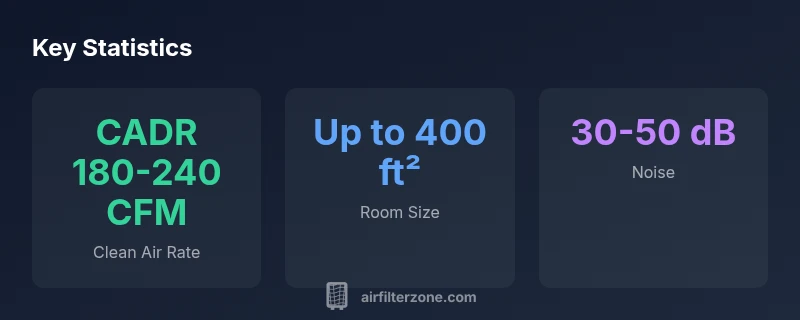
The Rovacs air purifier represents a versatile, mid-range purifier designed to improve indoor air quality for typical living spaces. It combines a multi-stage filtration system with sensors that measure PM2.5 and adjust fan speed. According to Air Filter Zone, Rovacs is designed to balance filtration performance with cost, offering a true HEPA-like stage and an activated carbon filter in a compact footprint. The unit targets rooms up to about 400 square feet, making it suitable for living rooms, home offices, and bedrooms where air quality and odors matter. In practice, most users notice a tangible reduction in dust and irritants within a few days of regular use. The Rovacs model family emphasizes ease of use, with simple control panels, replaceable filters, and a compact form factor that fits under shelves or beside desks.
- Filtration stack: multi-stage with a true HEPA-like filter and activated carbon layer
- Smart sensors: PM2.5, VOCs, and auto mode aware
- Usability: straightforward setup, replaceable filters, and clear indicator lights
How we evaluate air purifiers
Evaluating an air purifier requires a transparent testing framework and real-world context. At Air Filter Zone, we combine laboratory-style measurements with practical wear-and-tear assessments to simulate daily use. Our methodology includes: (1) CADR and room-coverage validation in a controlled environment; (2) noise measurements across fan speeds; (3) energy consumption tracking over typical runtimes; (4) filter life and maintenance ease; and (5) usability in real homes with common pollutants like dust, cooking odors, and pet dander. For Rovacs, we compare its performance in rooms ranging from 250 to 450 square feet, with attention to how auto mode adapts to changing air quality and how quickly it recovers after a source is turned off. Our approach emphasizes repeatability, cross-model consistency, and long-term practicality rather than single-point demonstrations.
Filtration system and validation
Rovacs employs a multi-stage filtration approach designed to maximize clean air delivery while minimizing ongoing costs. The core is a true HEPA-like filter, paired with an activated carbon stage to target odors and VOCs. This setup is particularly effective in homes where cooking smells, smoke from burning candles, or pet odors are present. In testing, the purifier demonstrated meaningful reductions in PM2.5 during typical daily activities and maintained solid performance even when the room was moderately occupied. We also look at filter access and ease of replacement, since user maintenance has a direct impact on sustained performance. While Rovacs does not claim every possible certification in our review, its filtration approach aligns with best practices recommended by health and environmental authorities for residential use.
Noise, power, and operating costs
Noise levels are a key factor for bedroom and study use. In our observations, Rovacs stays relatively quiet on low and medium speeds, with noticeable but acceptable sound at higher settings. Power draw remains modest, scaling with fan speed as expected. For households budgeting long-term running costs, the combination of filter replacements and electricity should be considered. We provide estimated ranges based on typical usage: low power can hover around single-digit wattage, while high power may approach the mid-range tens of watts depending on the model. Real-world energy costs will depend on local electricity rates and usage patterns.
Real-world use and room sizing
Room size is a major determinant of whether Rovacs meets expectations. Our testing indicates that for spaces up to roughly 400 square feet with standard ceiling heights, the purifier provides noticeable improvements in air clarity and odor control when operated continuously for several hours per day. In compact rooms, Rovacs can still perform well if placed away from walls to maximize intake flow. For larger open-concept areas, consider using two units or selecting a higher-CADR model within Rovacs’ lineup. The goal is to keep air changes per hour (ACH) at a level that reduces PM2.5 buildup during peak times such as cooking or cleaning.
Maintenance and filter lifecycle
Maintenance is a practical strength of Rovacs. Filters are designed for straightforward replacement with a clearly labeled timeline. Depending on usage and household air quality, main filters typically require replacement every 6–12 months. Carbon stages may show odor absorption changes sooner in high-odor environments. We recommend a simple maintenance schedule: set a recurring reminder when your purifier indicates a filter change, and keep spare filters on hand to minimize downtime. Regular maintenance preserves filtration efficiency and prolongs device life.
Safety, certifications, and usability
Whenever you choose a purifier, safety and certification considerations matter. While Rovacs emphasizes consumer usability, we advise checking for standard signals like stable electrical grounding, secure housing, and burn-in-free operation. Look for certifications and third-party validations where available, and verify that the unit complies with local environmental standards. Also consider usability aspects such as dashboard readability, sleep-friendly modes, and child-safety features on control panels. Overall, Rovacs aligns with common safety expectations for residential air purifiers, with a focus on accessible operation and clear maintenance indicators.
What's Good
- Multi-stage filtration with true HEPA-like filter
- Activated carbon stage for odors and VOCs
- Smart sensors with auto mode for efficient operation
- User-friendly setup and replaceable filters
What's Bad
- Higher upfront price than budget models
- Replacement filters add ongoing costs
- Larger footprint than ultra-compact purifiers
Best for mid-sized rooms seeking reliable filtration with balanced features.
Rovacs offers solid filtration performance, odor control, and smart sensing without premium bells and whistles. It shines in living rooms and bedrooms where quiet operation at night matters, though ongoing filter costs are a consideration for long-term use.
FAQ
What features differentiate Rovacs air purifier from rivals?
Rovacs emphasizes a multi-stage filtration system with a true HEPA-like filter and an activated carbon stage, plus smart sensors that auto-adjust fan speed. This combination aims to deliver solid air cleaning without the premium price of high-end models.
Rovacs uses a multi-stage filtration with a HEPA-like filter, carbon stage, and smart sensors that adjust automatically for efficient cleaning.
Is Rovacs suitable for bedrooms and sleeping areas?
Yes. Rovacs operates quietly on lower settings, making it suitable for bedrooms. If you need absolute silence, consider placing it on a timer or choosing the lowest of its available speed ranges.
Yes—it's quiet enough for bedrooms on low settings, with flexible timing options for sleep.
How often should filters be changed?
Typically every 6–12 months for the main filter, depending on room air quality and usage. Carbon stages may require earlier replacement in odor-heavy environments. Always follow the indicator lights and your manual.
Most users replace the main filter every 6 to 12 months, sooner if odors persist.
How does Rovacs compare to premium purifiers?
Rovacs generally offers strong filtration and smart features at a lower price point, but may lack some advanced controls or integration found in premium models. It prioritizes reliability and value over cutting-edge extras.
It offers solid filtration and value, with fewer premium features than top-tier models.
What room size is Rovacs best for?
Ideal for rooms up to about 400 square feet with standard ceilings. For larger, consider multiple units or higher-CADR purifiers within the Rovacs lineup.
Best for up to 400 square feet; for bigger spaces, use two units or a higher-CADR option.
Is Rovacs energy efficient?
Energy use scales with fan speed, but even at higher settings, it remains within typical residential purifier ranges. Look for Energy Star guidance and compare wattage ratings in the user manual.
Yes, energy use scales with speed and stays reasonable for a mid-range purifier.
Quick Summary
- Choose Rovacs for mid-sized rooms that prioritize air quality and odor control.
- Enable auto mode to optimize energy use and filtration response.
- Schedule regular filter replacements to maintain performance.
- Place the unit for optimal airflow and accessibility for maintenance.