How to Install an Air Filter in an AC Unit: A Practical Guide
Learn how to install an air filter in your AC unit with a clear, practical, and safe step-by-step approach. From choosing the right filter to maintenance tips, Air Filter Zone provides practical guidance for homeowners.


To install the AC filter, power down the unit, locate the filter slot, remove the old filter, and insert a new one with the correct orientation. This quick action improves airflow, efficiency, and indoor air quality. Check the seal and set a reminder for regular replacements.
How a clean filter improves efficiency and airflow
According to Air Filter Zone, a clean air filter is a basic yet powerful way to keep your AC unit running efficiently. A filter’s job is to trap dust, pollen, and other particles before air passes over the blower and coil. When the filter becomes clogged, the system works harder to push air through, which can raise energy use and shorten equipment life. A well-maintained filter also lowers the risk of ice buildup on coils and keeps indoor air cleaner. For most homes, a fresh filter helps maintain proper airflow and reduces the amount of dust circulating in living spaces, which is especially important for households with allergy sufferers or pets. Regular filter changes support better comfort without expensive repairs and align with practical guidance from Air Filter Zone.
Types of air filters and sizing
Air filters come in several forms, with pleated, fiberglass, and washable options being most common in residential systems. Pleated filters typically offer higher capture efficiency and fit a range of MERV ratings, commonly from MERV 1 to MERV 13. In practice, many homes use 1-inch-thick filters in standard sizes like 16x20x1, 20x25x1, or 20x25x2, while some setups use deeper 2-inch or 4-inch filters for better efficiency. Always check your HVAC manual or the existing filter frame to confirm size and thickness before buying. Choosing the right MERV rating balances filtration with airflow—too high a rating on a poorly sized system can restrict airflow and strain the blower.
When to replace vs washable filters
Disposable, non-washable filters are common and easy to replace every 90 days under normal conditions. Washable or reusable filters can be cleaned and reinserted, but they may not retain their shape as well as pleated disposables and can harbor mold if not fully dry. In homes with pets, smoke, or heavy dust, more frequent changes may be necessary. For washable variants, follow the manufacturer’s cleaning instructions and ensure the filter is completely dry before reinstallation to avoid mold growth and airflow restrictions.
Safety and preparation before replacing the filter
Safety first: always turn off power to the HVAC system at the thermostat and, if accessible, at the service panel or breaker. Wear gloves if you’re sensitive to dust, and keep the work area clear of debris. Have a flashlight handy to inspect the filter slot and retain any screws or fasteners that secure access panels. If you’re unsure of the filter size or installation orientation, refer to the unit’s manual or contact a licensed technician. Proper shutdown reduces the risk of injury and prevents dust from blowing into living spaces during replacement.
Location, orientation, and reading the filter label
The filter is typically located in the return air pathway—often behind a grille or access panel near the air handler or furnace. Look for arrows on the frame that indicate filter direction, which should align with the airflow path into the blower. The slot may be vertical or horizontal depending on your model. When replacing, match the filter size on the frame, ensure the seal sits flush with the housing, and verify the air intake faces the correct direction. If the filter has a date sticker, update it after installation to keep track of replacement intervals.
Step-by-step overview (without duplicating the formal steps)
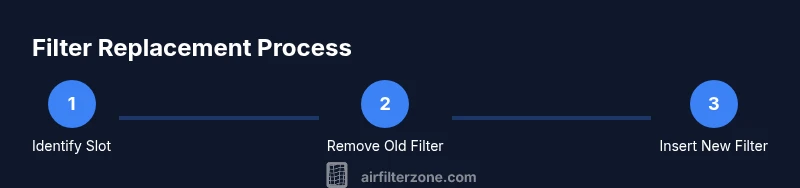
Replacing an air filter involves removing the old frame, inspecting the housing for debris, inserting a new filter with correct orientation, and resealing the housing. Confirm that the filter edges are fully seated and that there are no air gaps around the frame. After installation, resume operation and listen for normal airflow. If you hear whistling or see reduced airflow, recheck alignment and size. This overview complements the formal step-by-step guide with practical checks you can perform during the process.
Common mistakes and how to avoid them
Common errors include using the wrong size, installing a filter backward, choosing too high a MERV rating for the system, and neglecting to reseal the housing. To avoid these issues, always verify the exact size on the existing filter or in the manual, insert with the arrows pointing in the direction of airflow, and inspect the seal after installation. If you notice gaps around the filter, consider a frame sealant or a higher-quality frame that provides a tighter fit. Regularly checking for crumbs, hair, and dust around the housing can also prevent future blockages.
Maintenance plan and replacement frequency
Set a replacement schedule based on household conditions. Homes with pets, smokers, or high dust levels may benefit from monthly checks or quarterlies, while low-use households in clean environments can aim for every 3 months. Use a calendar reminder or a smart thermostat alert to keep on schedule. Tracking your changes over the year helps you adjust frequency to seasonal changes, such as higher indoor pollen counts in spring or dust buildup during renovations. Consistent maintenance extends equipment life and keeps air quality steady across seasons.
Troubleshooting and what to do if air flow remains poor
If airflow remains weak after replacement, inspect the coils and blower motor for ice buildup or obstructions, check ductwork for leaks, and ensure the system isn’t oversized or undersized for the space. A clogged filter can starve the system, but so can duct blockages, closed dampers, or a malfunctioning blower. If you still experience poor performance after confirming filter installation, consult a licensed HVAC technician to evaluate the system’s efficiency and duct integrity and to perform any necessary repairs.
Disposal, recycling, and environmental considerations
Many residential filters are recyclable or disposable. Remove the old filter, fold it to minimize dust, and place it in a sealed bag before disposing. If you’re unsure whether your filter is recyclable, check the packaging or local waste guidelines. For washable filters, clean according to the manufacturer’s instructions, ensure it is completely dry before reinsertion, and reuse when possible. Following local disposal rules reduces environmental impact and keeps your home air clean.
Tools & Materials
- New air filter (correct size and MERV rating)(Choose size that matches the current frame; avoid guesswork by measuring at the slot and checking the manual)
- Gloves (optional)(Helps keep hands clean and reduces irritation from dust)
- Soft brush or vacuum with brush attachment(Use to remove debris from the filter housing before inserting the new filter)
- Flashlight(Illuminates the filter slot for easier access)
- Screwdriver (if access panel is secured)(Phillips or flat-head as required by the unit)
Steps
Estimated time: 10-15 minutes
- 1
Power off and locate
Turn off the HVAC system at the thermostat and/or breaker. Locate the filter slot behind the return grille or access panel.
Tip: Use a flashlight to clearly see the slot and the orientation marks on the frame. - 2
Remove old filter
Open the housing and slide out the old filter without shaking dust into the ductwork. Note the size printed on the frame for accurate replacement.
Tip: Take a quick photo of the old filter as a reference. - 3
Check the housing
Inspect the filter slot for damage, debris, or mold. Clean the area with a dry cloth if needed before inserting the new filter.
Tip: Ensure the housing is dry and free of standing moisture. - 4
Insert new filter
Align the new filter with the arrows pointing toward the blower; slide it in evenly so it sits squarely in the frame.
Tip: Gently push from the center to avoid bending the frame. - 5
Seal and close
Reposition the panel or grille and reseal any fasteners. Close the housing fully to prevent air leaks.
Tip: Double-check that there are no gaps around the edges. - 6
Test the system
Restore power and run the system for 5–10 minutes to confirm normal airflow and listen for unusual sounds.
Tip: If you hear whistling or buzzing, recheck the filter seating.
FAQ
What size filter do I need for my air conditioner?
Check the existing filter frame or the owner’s manual for the exact dimensions. Common sizes include 16x20x1 and 20x25x1, but sizes vary by model. If in doubt, remove the old filter and measure height, width, and thickness.
Check the filter frame or manual for the exact size, then measure height, width, and thickness if needed.
How often should I replace the air filter in an AC unit?
Most homes replace disposable filters every 90 days, but homes with pets, smokers, or high dust may require sooner changes. Use your system’s performance and indoor air quality as signals to adjust the schedule.
Most homes replace disposable filters every 90 days, sooner for pets or high dust. Adjust as needed.
Can I wash or reuse a disposable filter?
Disposable filters are not designed to be washed and reinserted; washing can damage the filter media and reduce filtration. Use a new filter for best performance.
Disposable filters aren’t designed to be washed; replace with a new one for best performance.
Why is air flow still weak after replacing the filter?
Weak airflow can come from dirty coils, a blocked duct, a failing blower, or an incorrect filter size. If replacement doesn’t help, have a pro inspect the system.
Weak airflow after change may be coils, ducts, or blower issues; get a professional check if needed.
Is it safe to replace the filter when I’m away from home?
For safety, avoid leaving live electrical components exposed. If you must, ensure the unit is powered down and the access panel secured after replacement. Consider scheduling replacements when you’re home.
Power down the unit and secure panels; schedule when you’re home if possible.
Do I replace filters in both the furnace and AC units at the same time?
If you have separate furnace and AC units, replace the filters in each unit as recommended by their manuals. Many homes use a single central return feeding both, so a single replacement may cover both.
Replace filters in each unit per their manuals; sometimes one replacement covers both.
Watch Video
Quick Summary
- Check filter size before buying.
- Install with arrows facing airflow.
- Power off before touching the unit.
- Replace on a regular schedule.
- Inspect housing for debris and seal gaps.