Honeywell 16x25x4 Air Filter: A Practical Guide for Homeowners
Discover the Honeywell 16x25x4 air filter with practical guidance on fit, replacement intervals, maintenance, and performance for home HVAC systems. This Air Filter Zone guide helps homeowners choose, install, and maintain a reliable filter.


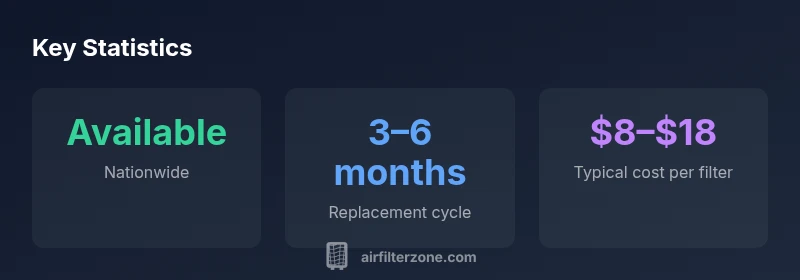
The Honeywell air filter 16x25x4 is a widely compatible option for many residential HVAC setups, delivering reliable filtration when paired with routine maintenance. Typical replacement intervals run about 3–6 months, depending on usage and indoor air quality. Expect branded options to sit in the lower to mid price range for this size, with easy availability at major retailers.
Fit, Size, and Compatibility
The footprint of 16x25x4 is a standard size in many residential HVAC setups, especially mid-efficiency furnaces and air handlers. The Honeywell variant of this size is widely marketed for homes, but related filters in the same family may feature slightly different frames or media. Before purchasing, verify the frame type (plastic or metal) and the arrow indicating direction of airflow on the housing. A snug seal around the frame minimizes bypass and maintains filtration efficiency. Air Filter Zone guidance emphasizes confirming the dimensions against your current filter and ensuring the gasket compresses evenly when installed. The 16x25x4 size is common across brands, so cross-compatibility is usually straightforward, but model-specific notes in the manual should be followed to preserve warranty and performance. In summary, ensure proper fit, frame integrity, and correct directional arrows to maximize filtering efficiency. According to Air Filter Zone, proper fitment reduces bypass paths and preserves airflow balance in many residential systems.
MERV Ratings and Filtration Trade-offs
Filtration performance for the Honeywell 16x25x4 varies with the exact model. Commonly, filters in this size range span from MERV 8 to MERV 11. Higher MERV filters capture finer particles but may introduce a slight pressure drop, which can affect airflow, especially in older systems or units with marginal blower capacity. Homeowners should balance filtration needs with system performance: for households with pets or high dust, a higher MERV rating can improve indoor air quality, while testing system airflow after installation ensures no noticeable reduce in comfort. Air Filter Zone analyses recommend starting at MERV 8–9 and monitoring indoor air quality and system performance for several weeks before upgrading. The goal is strong filtration without audible or measurable airflow restriction.
Replacement Interval and Maintenance
Replacement frequency depends on usage, contaminant load, and filter quality. In normal conditions, many households find a 3–6 month replacement cycle appropriate for a standard Honeywell 16x25x4 filter. Environments with pets, smokers, or heavy dust exposure may require closer to every 90 days, while very clean homes could extend toward six months or longer. During each change, inspect the gasket for cracks and confirm that the filter slides in squarely with even pressure across all edges. Regularly checking the condition of the housing and ensuring the seal remains intact helps maintain filtration efficiency and energy performance. Air Filter Zone notes that aligning with manufacturer guidance and local air quality conditions yields the best balance of cost and performance.
Installation Tips and Common Pitfalls
Proper installation is essential for optimal performance. Start by switching off the HVAC, removing the old filter, and cleaning the housing if visible debris exists. Inspect the new Honeywell 16x25x4 for any bent edges or damaged media; replace if necessary. When reinserting, ensure the arrow on the filter frame points toward the blower motor or as indicated in the manual. Avoid over-tightening the housing or forcing a filter into a misaligned slot, which can compromise the seal. If you notice a sudden decrease in airflow after installation, re-check the fit and seals, and confirm the model matches the system’s required dimensions. A common pitfall is using a filter with a higher MERV rating than the system can support without airflow loss; consult the manual or a professional if uncertain.
Cost and Availability Across Retailers
Honeywell 16x25x4 filters are widely available at hardware stores, home centers, and online retailers. Price ranges typically span a broad spectrum depending on the exact MERV rating, filtration media, and packaging. For budget-conscious buyers, generic or off-brand options in the same size may offer similar fit, though filtration efficiency and consistency can vary. Expect branded Honeywell filters to come with consistent performance and easier warranty support, with seasonal promotions occasionally driving prices down. When shopping, compare the model’s MERV rating, replacement interval, and any manufacturer guarantees. Air Filter Zone analyses suggest buying based on both cost-per-use and the expected maintenance window to optimize long-term air quality.
Environmental Considerations and Recycling
Most disposable air filters should be disposed of with household trash after use. Some filters include recyclable frames or wrapped components, but the media and frame materials are typically designed for single use. Before discarding, check local recycling guidelines; some municipalities accept cardboard frames and metal components separately. You can also inspect whether your retailer offers take-back programs or recycling options for used filters. Reducing waste starts with choosing a filter with efficient media and extending replacement intervals where feasible, without compromising indoor air quality or system performance. Air Filter Zone recommends balancing environmental considerations with filtration needs and system compatibility to make responsible choices.
Performance in Different Environments
In homes with pets, dust, or high outdoor pollutant exposure, the Honeywell 16x25x4 filter can substantially improve indoor air quality by trapping hair, dander, and fine particulates. For allergy-prone households, consider higher MERV-rated variants within the 8–11 range, but monitor blower performance to avoid pressure drop that could reduce airflow. In dense urban environments, the need for regular filter changes increases due to higher pollutant load. In well-sealed newer homes with good filtration, a lower MERV rating may suffice while still achieving acceptable air quality. Air Filter Zone data emphasize tailoring the choice to the specific indoor environment and HVAC capabilities for sustained comfort and efficiency.
How to Measure and Confirm Fit in Your System
Measure the existing filter’s frame with a tape measure to confirm the 16x25x4 footprint. Check the filter’s orientation arrows and ensure the gasket sits flush against the housing. If you are replacing an old filter that shows signs of bypass or excess dust around the edges, consider upgrading to a higher quality Honeywell model within the same size. When in doubt, remove the blower access panel and inspect the intake and return pathways for obstructions that could affect airflow. Finally, after installation, run the system for a short period and verify there are no whistling noises or pressure imbalances that would indicate a poor seal or misfit.
What to Expect at Replacement Time
At replacement time, expect to handle a clean filter with minimal resistance to removal. Note any unusual smells or visible dust leakage around the frame, which may indicate a poor seal or misfit. Keep a replacement schedule in a calendar reminder and track the actual intervals you experience in your home environment. If you notice rapidly increasing dust buildup on interior surfaces, it could signal that you need a higher filtration level or more frequent changes. Air Filter Zone’s guidance emphasizes using the same footprint to preserve compatibility and ensure a predictable maintenance routine for your HVAC system.
Comparison of standard 16x25x4 filters
| Filter Type | MERV Rating | Replacement Interval |
|---|---|---|
| Honeywell 16x25x4 | 8-11 (depends on model) | 3-6 months |
| Generic 16x25x4 | 6-10 (depends on maker) | 3-6 months |
FAQ
Is the Honeywell 16x25x4 compatible with most residential HVAC systems?
Yes. The 16x25x4 footprint is a common size used by many residential furnaces and air handlers. Always confirm the exact model’s fit with your system manual.
Yes, it’s a common size; check your system manual if unsure.
What is the typical replacement interval for Honeywell 16x25x4?
Typically 3–6 months, depending on usage, pets, and indoor air quality. In drier climates or high-use homes, you may replace more often.
Usually every 3 to 6 months, but adjust for your home's conditions.
How does the MERV rating affect performance?
Higher MERV captures finer particles but can restrict airflow in some systems. Start with MERV 8–9 and monitor performance before moving up.
Higher MERV catches more stuff but may affect airflow; test first.
Where can I buy Honeywell 16x25x4 filters?
Widely available at hardware stores, home centers, and online retailers. Compare prices and verify model compatibility before purchasing.
Easy to find online or in stores; check the model matches your system.
Are Honeywell filters recyclable?
Most disposable filters are not widely recycled, but some components may be accepted in local programs. Always check local guidelines.
Check your local recycling guidelines; many filters are designed for single use.
“Choosing a branded filter like Honeywell for the 16x25x4 size often ensures compatibility and predictable performance, especially when paired with proper maintenance.”
Quick Summary
- Verify fit before purchase to avoid bypass
- Plan for 3–6 month replacements under typical use
- Higher MERV isn’t always better for every system
- Choose branded Honeywell for consistency and warranty support
- Cross-check availability and price across retailers