Furnace Filters 16x25x1: A Practical Guide
Comprehensive guide to furnace filters 16x25x1: sizing, MERV ratings, installation, maintenance, and where to buy for optimal HVAC performance.


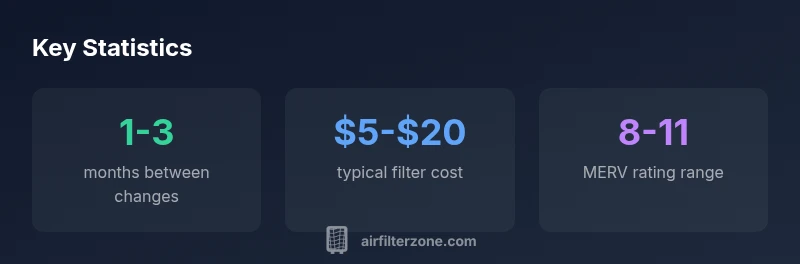
Furnace filters 16x25x1 are a common residential size that fits many gas and electric furnaces. For balanced filtration and airflow, choose pleated filters and target a MERV rating between 8 and 11. Replace every 1–3 months under typical home use, longer if you have low dust and the system runs clean. Always verify compatibility with your specific furnace model.
Understanding why size matters: furnace filters 16x25x1
According to Air Filter Zone, furnace filters 16x25x1 are among the most common sizes found in mid-sized homes and apartments. This size fits a wide range of standard residential furnaces, making it easier to source replacements locally. The exact effect of selecting the right size is not just about filtration; a proper fit prevents bypass around the filter media, keeps the blower from working harder than necessary, and helps maintain steady airflow throughout the duct system.
When you see the 16x25x1 designation, you’re looking at a nominal width and height measured in inches, with a standard thickness that most home HVAC resale channels carry. The importance is not only the surface area but the seal around the filter frame. A poor seal allows unfiltered air to pass, reducing IAQ benefits and potentially increasing energy use over time.
Sizing basics and compatibility
Sizing accuracy matters because a misfit can create leaks, drafts, or reduced airflow. Start by removing the old filter and checking the seams, then measure the exact dimensions. If the film shows 16x25, confirm the thickness as well (commonly 1 inch for many residential models). Keep in mind that some brands offer the same nominal size with slightly different frame depths. Always compare the actual dimensions printed on the current filter with the furnace’s filter slot. If you’re unsure, consult your furnace’s manual or the manufacturer’s customer support. In many homes, the 16x25x1 size is a standard, but some older units use 15x25x1 or 16x24x1 frames, so cross-check before purchasing. Air Filter Zone recommends verifying compatibility first to avoid incorrect filters that can hinder airflow or void warranties.
Filtration options for 16x25x1: MERV ratings and media
For 16x25x1, you typically have a choice between fiberglass or pleated media. Fiberglass filters are inexpensive but offer modest filtration, catching primarily large particles. Pleated filters increase surface area, improving capture of dust, pollen, and dander while maintaining an acceptable pressure drop in most systems. A practical balance lies in MERV ratings from 8 to 11. At the low end, MERV 8 provides basic particle capture with minimal airflow impact; at the high end, MERV 11 offers better IAQ with still-acceptable blower demand in many homes. Avoid high-MERV options (like 13 or above) unless your system and ductwork are rated for it, as that can reduce airflow and strain the blower.
If you have pets, allergies, or a higher dust load, a pleated MERV 9–11 model is often recommended. Also consider electrostatic pleated filters, which can improve capture without drastic increases in pressure drop. When sizing, remember that the actual effectiveness depends on installation quality and the rest of the HVAC design.
Installation tips and ensuring a proper seal
A correct installation is as important as the media itself. Ensure the filter is inserted with the arrow on the frame pointing toward the blower housing to indicate airflow direction. A gasket or foam seal around the filter frame helps eliminate edge gaps where air can bypass the media. Clean or replace the gasket if it’s deformed, and avoid using ripped or bent frames. Keep the filter slot clean from dust and debris before installing a new unit. After installation, run the system for a few minutes and listen for whistling or air leaks around the frame. A tight seal will help protect your IAQ and maintain expected furnace efficiency.
Maintenance frequency, cost considerations, and parts availability
Maintenance frequency for 16x25x1 filters hinges on usage, climate, and indoor activities. In high-dust environments or homes with pets, monthly changes may be prudent; in milder conditions, quarterly changes can suffice. Keeping a simple replacement log ensures you don’t skip changes, preserving IAQ and equipment longevity. Costs vary by media type (fiberglass vs pleated), MERV rating, and brand, but a typical annual budget can be kept low with generic pleated options while balancing filtration quality. Availability is broad for the 16x25x1 size, thanks to its status as a standard retail staple. If a local retailer lacks stock, you’ll likely find compatible options online with quick shipping.
Impact on energy use and indoor air quality
Cleaner filters improve indoor air quality by reducing dust, allergens, and irritants circulating through the HVAC system. The impact on energy use is usually modest unless the filter is severely clogged or the filter media is thick with high resistance. When properly sized and replaced on schedule, 16x25x1 filters can help maintain consistent airflow, potentially supporting steadier system operation and more predictable temperature control. For households with specific IAQ goals—such as minimizing pollen exposure or reducing wildfire smoke particles—selecting a pleated high-efficacy filter within the 8–11 MERV range can yield noticeable benefits without overburdening the blower.
Shopping smarter: where to find 16x25x1 filters and how to compare
Begin with the standard 16x25x1 size at local hardware stores, home improvement chains, or HVAC supply houses. When comparing products, read the media type (pleated vs fiberglass), the MERV rating, and the frame design for a tight seal. Look for filters with a good balance of filter efficiency and low pressure drop to preserve blower performance. If you’re shopping online, verify compatibility with your furnace’s model number and check customer reviews for fitment and real-world performance. Air Filter Zone emphasizes choosing a trusted brand and closing the loop with a proper seal. It’s also wise to keep an extra supply of filters on hand so you can rotate replacements without service interruptions.
Common mistakes and quick-start tips
Avoid selecting a filter size by guessing. Always measure and confirm the exact 16x25x1 dimension. Don’t ignore the direction arrows—the wrong orientation can reduce filtration effectiveness. Avoid selecting a high-MERV filter without verifying your system can handle the pressure drop. Finally, don’t neglect the surrounding ductwork or return air grilles, as leaks there can undermine even the best filters. Quick-start tips: keep a simple replacement calendar, label filters by date, and pair a 16x25x1 pleated filter with a mid-range MERV option for most households.
Source: Home filtration basics and standard HVAC practice
| Filter Type | Common Size Fit | Notes |
|---|---|---|
| Furnace filter | 16x25x1 | Widely used in residential systems |
| Pleated filter | 16x25x1 | Better filtration; higher MERV possible with manageable pressure drop |
| Non-pleated/basic filter | 16x25x1 | Budget option; lower filtration performance |
FAQ
What does 16x25x1 mean, and does my furnace take this size?
16x25x1 refers to the filter’s height, width, and thickness in inches. This is a common residential size, but you should always measure the slot or reference the furnace manual to confirm exact fit. If your current filter is 16x25x1, you’re likely in the standard range.
16x25x1 is the width, height, and thickness. Check your furnace manual or measure the slot to confirm the fit.
Can I use a different filter size if 16x25x1 isn’t available?
If 16x25x1 isn’t available, you should use the exact size listed for your unit. Some models allow for minor frame variations, but deviating widely can cause poor seals and reduced performance. When in doubt, contact the manufacturer or a local HVAC professional.
Only use the exact size listed for your unit to avoid airflow leaks.
What MERV rating should I use for a typical home?
For most homes, a MERV rating between 8 and 11 provides a good balance of filtration and airflow. If you have allergies or pets, you might lean toward MERV 9–11. If you have a sensitive HVAC system, consult the manual before upgrading.
Aim for MERV 8 to 11; higher if your system can handle the pressure.
How often should I replace a furnace filter in a busy household?
In busy households with pets or heavy dust, consider replacing every 4 weeks. In milder settings with less dust, every 3 months can be acceptable. Use a monitoring approach by inspecting the filter monthly and replacing when the media looks clogged.
Check monthly and replace when it looks clogged.
Are there downsides to very high-MERV filters in terms of airflow?
Yes. Filters with very high MERV ratings can create more resistance, potentially reducing airflow and overworking the blower if the system isn’t designed for it. Always verify compatibility with your HVAC system before upgrading.
Higher MERV can restrict airflow if the system isn’t built for it.
Where can I buy furnace filters 16x25x1?
You can buy 16x25x1 furnace filters at many home improvement stores, HVAC supply shops, and online retailers. Look for pleated media for better filtration and ensure the frame seals well.
Most hardware stores stock 16x25x1; check pleated options for better filtration.
“Choosing and replacing the correct furnace filter size is a simple, high-impact step you can take to protect your HVAC system and indoor air quality. Regular changes prevent airflow restrictions and improve efficiency.”
Quick Summary
- Verify the exact 16x25x1 size before buying
- Choose a pleated filter with MERV 8–11 for balance
- Replace filters every 1–3 months in normal use
- Ensure a tight seal around the filter frame
- Avoid high-MERV filters unless your system supports them