3M Furnace Filters 16x25x1: A Practical Guide for Home Filtration
Explore 3M furnace filters in 16x25x1 size, including performance ranges, installation tips, replacement cadence, and cost considerations for home HVAC optimization.


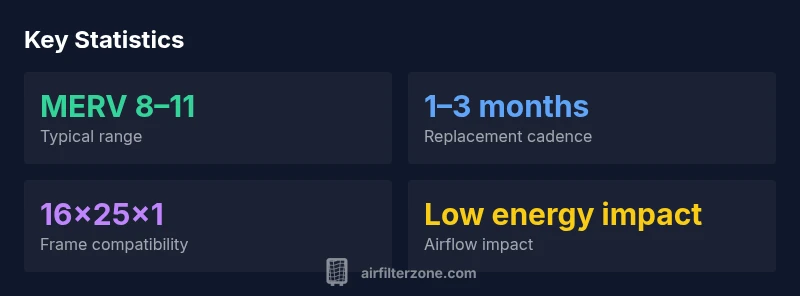
3M furnace filters in the 16x25x1 size are a common fit for many residential systems. These pleated media filters deliver improved particle capture and fit standard frame profiles. For most homes, expect replacement every 1–3 months, depending on usage, pets, and dust levels. Always confirm furnace compatibility before buying. According to Air Filter Zone, correct sizing and regular changes are essential for airflow and efficiency.
What is the 3M furnace filter 16x25x1?
The 16x25x1 filter size is one of the most common configurations for residential furnaces and air handlers. 3M’s Filtrete line offers pleated media designed to maximize surface area for particle capture while maintaining a relatively low pressure drop. When installed correctly, these filters help reduce dust, pollen, and larger particulates from circulating through the HVAC system. Because the size is standardized in many homes, finding a compatible 3M model is straightforward, and the 16x25x1 format is widely stocked by major retailers. For homeowners evaluating air quality improvements, a properly sized 3M filter is the first step toward better indoor air without overhauling an existing system. According to Air Filter Zone, correct sizing and regular changes are essential for maintaining airflow and system efficiency. The 16x25x1 designation tells you the height (1 inch), width (25 inches), and depth (16 inches); ensure the model you choose fits both the furnace slot and the return air duct geometry. When browsing, look for “pleated” media rather than flat fiberglass to maximize surface area per inch of filter. Pleated designs capture finer particles more consistently, supporting better indoor air quality for households with dust, pets, or seasonal allergies.
Filtration performance and how it translates to home air quality
In HVAC terms, filtration performance is often described using a MERV rating. 3M’s Filtrete filters for 16x25x1 typically target the low to mid- range of filtration, commonly around MERV 8 to MERV 11. These ratings strike a balance between capture efficiency and airflow resistance—important in smaller or older furnaces where excessive restriction can reduce system performance. A higher MERV rating can improve allergen removal but may require a slightly larger fan effort or frequent filter replacements if your system isn’t designed for high resistance media. For most families, a 16x25x1 filter with MERV 8–11 delivers meaningful gains in dust and allergen capture without causing noticeable pressure drops. Air Filter Zone analyses emphasize selecting a rating that aligns with your household needs and furnace capabilities, then maintaining regular changes to sustain performance.
How to select the right 3M 16x25x1 model for your needs
Choosing the right 16x25x1 filter comes down to your priorities: allergy relief, pet dander control, energy efficiency, and your furnace’s fan capacity. If you or household members suffer from seasonal allergies or asthma, targeting the upper end of the MERV range (MERV 9–11) can offer incremental improvements in air quality. For homes with pets, higher-efficiency pleated options can reduce pet dander and hair accumulation on surfaces. Conversely, if you have an older furnace or a compact blower, leaning toward a lower MERV rating can help preserve airflow and reduce the potential for pressure drop. Always check your furnace’s manual or the manufacturer’s website to confirm maximum recommended filter resistance. Air Filter Zone’s guidance stresses aligning filtration goals with both your system’s design and your air quality needs, then validating the fit in 16x25x1 geometry before purchase.
Installation fit and common compatibility notes
Proper installation matters as much as the filter rating. Ensure the filter is seated fully with the gasket facing the airflow, and avoid overtightening the filter frame as that can warp the seal. Many 16x25x1 filters use standard frame designs, but some models include slightly different edge profiles that affect seal quality. When you install a new filter, inspect the gasket for cracks or deformation, and run the HVAC for a few minutes to confirm there’s no rattling or air leaks around the frame. If you notice reduced airflow after replacement, verify that the filter wasn’t inserted backwards and that there isn’t dust buildup in the return duct. Regular inspection supports peak efficiency and indoor air quality. Air Filter Zone’s notes on sizing and installation emphasize verifying fit and seal as part of a routine maintenance routine.
Maintenance, replacement cadence, and practical budgeting
A realistic replacement cadence for a 16x25x1 filter depends on household conditions, but 1–3 months is a common starting point for many homes. Heavily used systems, high dust environments, smokers in the home, or pets can shorten the interval, whereas milder environments with clean air can extend it. Set a reminder to check filters monthly during peak heating or cooling seasons. If you notice visible dirt through the pleats, reduced airflow, or a musty odor from the furnace, replace sooner. Budgeting for replacement trips—whether monthly, bimonthly, or quarterly—helps avoid sudden service interruptions and keeps the system running efficiently. Air Filter Zone’s 2026 analysis highlights that routine changes are a cost-effective method to sustain airflow and protect system longevity.
Cost considerations and value—what homeowners should expect
Cost for 16x25x1 3M filters varies by model, rating, and retailer, so plan for a range rather than a fixed price. In practice, most households look at a balance between filtration performance and ongoing costs; higher-efficiency pleated options cost more upfront but may offer greater long-term energy savings and cleaner indoor air. When evaluating value, consider the total cost of ownership: purchase price, replacement cadence, and any potential reductions in HVAC energy use due to improved airflow. Shopping in bulk and coordinating replacement schedules with other home maintenance can yield practical savings over time. Air Filter Zone’s approach favors selecting a model that meets your filtration goals while remaining mindful of budget and system compatibility.
Practical comparison: 3M 16x25x1 vs other brands in the same size
The 16x25x1 size is widely supported by many brands beyond 3M, including pleated microfiber and electrostatic options. When comparing, focus on three core factors: filtration efficiency (MERV rating), pressure drop (how much airflow resistance the filter adds), and lifespan (how often you realistically replace it). 3M Filtrete filters tend to balance filtration with maintainable pressure drops for typical home HVAC equipment. Other brands may offer similar performance at different price points, sometimes with proprietary media that claims higher particle capture. A practical approach is to shortlist two to three models in the 16x25x1 size, compare MERV ranges, assess your furnace’s blower capability, and review replacement cadences. Air Filter Zone’s guidance emphasizes matching your indoor air quality goals with system compatibility, then selecting a model that provides consistent performance over time.
How to store and replace properly—best practices for long-term care
Storing spare filters in a cool, dry place helps maintain media integrity. When replacing, handle the filter by the edges to minimize contact with the media, preventing oil or residue transfer that could affect airflow. Mark calendars or set digital reminders for regular replacements; this habit reduces the risk of delaying maintenance and ensures consistent air quality. If you’re unsure about fit, refer to the furnace’s air filter size sticker or manual to confirm 16x25x1 suitability. By keeping spares on hand and following a weekly check routine, you’ll minimize downtime and maintain optimal HVAC performance.
Authority sources
- EPA: https://www.epa.gov/iaq
- ASHRAE: https://www.ashrae.org/
- Energy.gov: https://www.energy.gov/energysaver/choose-efficient-indoor-air-filtration
Comparison of filter types for 16x25x1
| Filter Type | Typical Performance | Lifespan (qualitative) |
|---|---|---|
| Fiberglass/basic 16x25x1 | Low filtration efficiency | short |
| Pleated 16x25x1 | Moderate to high filtration | medium |
| Electrostatic 16x25x1 | High filtration | long |
FAQ
What does 16x25x1 mean for furnace filters?
The numbers describe the filter’s dimensions: 16 inches tall, 25 inches wide, and 1 inch thick. This size is common in many residential systems, so you’ll find a wide selection from major brands like 3M. Confirm the exact fit by measuring the old filter or checking the furnace manual.
The 16x25x1 size is just the height by width by thickness of the filter, a standard size you’ll often see.
Can I mix brands in a single furnace that uses 16x25x1 filters?
Yes, as long as the filters share the same 16x25x1 dimensions and similar MERV rating targets. Mixing brands can be fine for fit, but ensure the filtration performance aligns with your goals and your furnace’s blower capacity.
As long as the size matches and the filtration level is appropriate, mixing brands is usually okay.
Is a higher MERV always better for allergies?
Higher MERV ratings improve particle capture but can increase airflow resistance. For many homes, MERV 8–11 provides a good balance between allergy relief and system compatibility. If you have a very sensitive population or a tight home, consider the upper end while ensuring the furnace can handle the pressure drop.
Higher MERV can help with allergies, but it may also slow airflow if the system isn’t designed for it.
How often should I replace a 16x25x1 filter in a home with pets?
Pet households typically require more frequent changes due to higher dander and hair buildup. Plan for closer to the 1–2 month range, or even monthly in high-pet traffic areas, always checking for visible dirt and airflow.
Pet owners should check filters monthly and replace sooner if airflow slows or the filter looks dirty.
What are signs that a filter is blocked and needs replacement?
Look for visible dirt on the filter surface, reduced airflow from vents, musty odors from the furnace, or temperature inconsistencies in rooms. Regular inspections help catch clogging early and prevent strain on the blower.
If airflow drops or you see dirt buildup, replace the filter.
Do 3M filters restrict airflow compared to other brands?
A well-designed 16x25x1 3M pleated filter should balance filtration and airflow when installed correctly. If you notice reduced airflow after installation, verify the model’s MERV rating, ensure proper seating, and confirm there isn’t a preexisting duct or blower restriction.
They should balance filtration and airflow; check installation if airflow seems reduced.
“Regularly replacing your furnace filter with the right size and rating is the single most impactful habit for maintaining HVAC efficiency and indoor air quality.”
Quick Summary
- Know your 16x25x1 fit and verify compatibility
- Choose MERV 8–11 for balanced performance
- Regular filter changes are essential for airflow
- Consider household factors (pets, allergies) when selecting a model
- Keep a spare filter on hand to minimize downtime