16 x 20 x 1 Air Filter Guide: Sizing & Replacement
Learn how to select and replace a 16 x 20 x 1 air filter. This Air Filter Zone guide covers sizing, common MERV ranges, maintenance tips, and cost ranges for home HVAC and auto filtration.


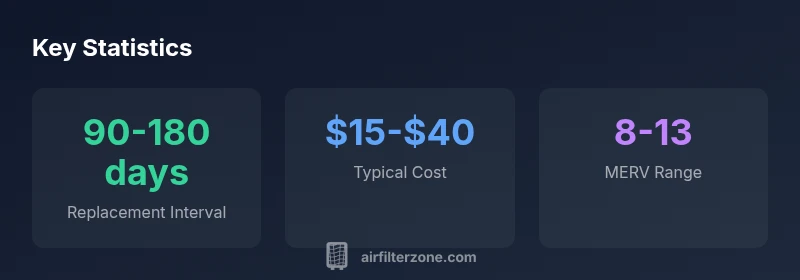
The 16 x 20 x 1 air filter is a common residential HVAC size that fits many furnaces and air handlers. Expect replacement every 90–180 days in typical homes, with more frequent changes in homes with pets or high dust levels. Measure carefully to confirm fit, and check your HVAC manual for any manufacturer limits.
Why the 16 x 20 x 1 Air Filter Size Is So Common
The 16 x 20 x 1 filter size is one of the most widely used dimensions in residential HVAC setups, especially for furnaces and air handlers. The numbers specify inches: 16 inches wide, 20 inches tall, and 1 inch thick. This compact profile balances airflow with filtration while fitting a broad range of filter housings. If you move into a home with an older system, you may encounter slightly different thicknesses or frame styles, so always verify the exact frame dimensions before purchasing a replacement. In multi-story homes or apartments where space is limited, this size often becomes the default choice because replacement parts are readily available from most major brands. For buyers, the key is to confirm fit by measuring the existing filter or checking the unit’s manual. Although the 1-inch thick format is common, some systems use deeper filters (2 inches or more) that require different frame dimensions. The simplest path to success is to pull the current filter, read the dimensions printed on the frame, and match that exact specification on the label of your replacement.
Understanding the Key Specs: Dimensions, MERV, and Filter Media
Beyond the frame size, three specifications drive performance: MERV rating, filter media, and airflow compatibility. The MERV rating indicates filtration efficiency for particle sizes, with higher numbers catching more dust, pollen, and smoke. However, higher MERV filters can create more pressure drop, potentially reducing airflow in undersized systems. The media type—whether pleated paper, synthetic, or fiberglass—affects surface area and capture efficiency. Pleated filters typically offer greater surface area and better filtration for the same thickness, making them a popular choice for 16 x 20 x 1 frames. Finally, ensure the filter orientation matches the air handler’s airflow direction indicator. Installing it backward almost always reduces filtration performance and can impede airflow. If your system is sensitive to pressure drop, start with a mid-range MERV (around 8-11) and assess comfort and performance before stepping up.
How to Compare 16 x 20 x 1 Filters Across Brands
With dozens of brands offering 16 x 20 x 1 filters, a structured comparison helps. First, compare MERV ratings within your system’s tolerance—many homes do well with MERV 8 to 11, with higher ratings reserved for allergy seasons or households with pets. Second, evaluate the price per filter and the available bulk-pack options, which can save money over time. Third, check the packaging for filtration media type and any performance claims, such as low resistance to airflow or extended replacement intervals. Fourth, look for warranties or satisfaction guarantees and check local availability—availability can vary by season and retailer. Finally, read consumer reviews for real-world performance, particularly around noise, fit, and how easy it is to install.
Sizing, Compatibility, and Installation Tips
Begin by turning off the HVAC system and locating the filter access panel. Remove the existing filter and check the dimension printed on the frame. Confirm that the new filter’s dimensions exactly match, as a loose fit can allow unfiltered air to bypass the filter. When inserting, align the arrow on the filter frame with the airflow direction shown in the housing. If you notice increased noise, a tight fit, or reduced airflow after installation, double-check the dimensions and MERV rating. Use a clean, lint-free cloth to wipe away dust from the housing before placing the new filter. Finally, mark the installation date on the filter or in your maintenance log—routine recordkeeping makes replacement scheduling easier over time.
Maintenance and Replacement Strategies for Home HVAC
Maintenance is a mix of diligence and realistic expectations. In households with pets, kids, or high dust, replace filters closer to the 90-day mark rather than waiting for a full 180 days. During peak allergy seasons, consider swapping filters monthly to maximize air quality. If you notice reduced airflow, increased coil freezing, or a musty odor, it may indicate a clogged filter or a system airflow constraint that warrants inspection. Keep a few spare filters on hand to avoid delays, especially if you rely on automatic home delivery services. Periodically inspect the seal around the filter to ensure a snug fit and prevent bypass leaks.
Budget, Costs, and Practical Purchasing Guidelines
Prices for 16 x 20 x 1 filters vary by brand, filtration media, and MERV rating. A practical budgeting rule is to plan for a 90- to 180-day replacement cycle, adjusting for household factors. If you have pets or smoke indoors, you may opt for higher MERV filters but be mindful of potential airflow restrictions in older systems. Look for retailers offering bulk packs or subscription services to reduce per-filter costs, and keep an eye out for promotions around seasonal HVAC maintenance windows. Finally, resist the urge to buy the cheapest filter if it means sacrificing essential filtration or fit; the right balance of cost, performance, and compatibility yields the best long-term value.
Real-World Scenarios: Pet Owners, Allergies, and High Dust Areas
Pet owners often notice faster buildup on filters due to dander and hair, which can justify more frequent changes. Allergy-prone households benefit from filters in the upper end of the 8–13 MERV range, particularly during pollen-heavy seasons. In high-dust environments—like workshops or construction-adjacent homes—consider more frequent replacements and higher-MERV filters if the HVAC system supports them. Regardless of scenario, the 16 x 20 x 1 size remains a dependable default for many homes, but always confirm compatibility with your equipment’s specifications and perform routine maintenance checks to sustain indoor air quality.
Common specs for 16x20x1 filters
| Aspect | Typical Range | Notes |
|---|---|---|
| Dimensions | 16 x 20 x 1 inches | Standard residential filter size |
| MERV Rating | 8-13 | Common range for homes; higher for allergies |
| Replacement Interval | 90-180 days | Depends on usage and environment |
| Typical Cost | $15-$40 | Brand and features influence price |
FAQ
What does 16 x 20 x 1 air filter refer to?
It refers to the filter dimensions in inches (width x height x thickness). This size is common in many home HVAC setups. Always confirm exact frame size before purchase.
It’s the width by height by thickness in inches—16 by 20 by 1. Check your unit to confirm the exact frame size.
How often should I replace a 16 x 20 x 1 air filter?
A typical replacement window is about 90 to 180 days, but pets, dust, and HVAC usage can shorten or extend this interval. Keep a maintenance log to track changes.
About every three to six months, depending on use and environmental factors.
What MERV rating is best for homes?
Residential homes commonly use MERV 8–13. Start with a middle value like MERV 11 and adjust based on airflow and comfort in your system.
Most homes do well with MERV 8 to 13; choose higher only if your system can support it.
Can I install a higher-MERV filter in an older HVAC system?
Only if the manufacturer allows it and the system maintains adequate airflow. A too-tight filter can reduce efficiency and cause coil issues.
Check the manual or a technician before upgrading MERV in an older unit.
Are 16 x 20 x 1 filters reusable?
Most 16 x 20 x 1 filters are disposable pleated types. Reusable options exist but require careful cleaning and inspection to maintain filtration.
Generally, these are disposable; reusable options are limited and require upkeep.
“Choosing the right 16 x 20 x 1 air filter is about balancing airflow with filtration efficiency; higher MERV ratings offer better capture of particles but can restrict airflow if the system isn't designed for it.”
Quick Summary
- Verify fit with exact 16 x 20 x 1 dimensions.
- Balance filtration efficiency (MERV) with system airflow.
- Schedule replacements around 90–180 days depending on use.
- Choose filtration media that suits your environment.
- Install following airflow arrows for optimal performance.