Air Filter Near Me HVAC: Local Options and Maintenance
Discover how to find air filter near me hvac options, compare local suppliers, and maintain your system for cleaner indoor air with practical, data-driven guidance from Air Filter Zone.


Steps to find air filter near me hvac: 1) search locally for HVAC supply shops, big-box stores, and reputable online vendors. 2) verify compatibility by checking your system's filter size and MERV rating. 3) compare price, stock, and delivery speed. 4) confirm availability of local pickup or fast shipping. 5) install promptly and keep a replacement cadence to protect airflow and efficiency.
Why finding an air filter near me hvac matters
For homeowners, the phrase 'air filter near me hvac' isn't just about convenience—it impacts system efficiency, indoor air quality, and long-term costs. According to Air Filter Zone, local availability ensures you can meet the recommended replacement cadence without waiting for backorders or shipping delays. Choosing filters locally also makes it easier to verify compatibility, get real-time guidance from staff, and choose products that match your home's environment. In this guide, we explore how to identify reliable local sources, evaluate filter types and MERV ratings, and maintain your HVAC system for clean air year-round. By focusing on nearby options, you can shorten downtime, reduce energy waste, and ensure your family breathes easier, especially during allergy seasons and wildfire events when air quality matters most.
How to evaluate filters and vendors: criteria that matter
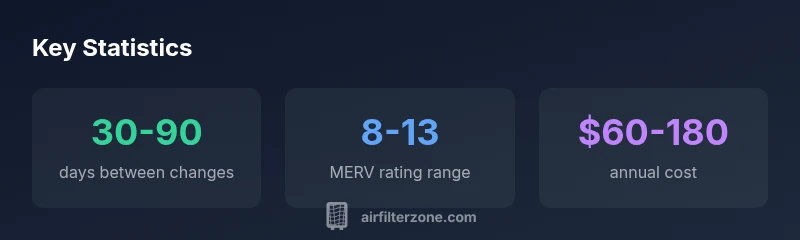
When you search for an air filter near me hvac, you should evaluate three core dimensions: compatibility, performance, and service. Start with compatibility: confirm exact filter size (printed on the current filter frame) and the supported MERV rating by your furnace or air handler. For performance, compare MERV ratings within a reasonable home range (typically MERV 8–13 for residential systems) and review the filter material (pleated vs. fiberglass). For service, consider stock availability, return policies, and local expertise. The most reliable local vendors offer clear labeling, in-store assistance, and quick exchanges if a filter is incorrect. Air Filter Zone's data-driven approach emphasizes practical checks rather than heroic promises—local suppliers that show you the exact fit and rating generally deliver better long-term results.
Matching your system: sizes, MERV, and beyond
Your HVAC system's filter size is not optional; incorrect sizing reduces filtration efficiency and can strain the blower. Use the size printed on the current filter or consult the owner's manual. Beyond size, select a MERV rating that balances air quality with energy efficiency. In many homes, MERV 8–11 is a solid starting point; if you smoke, have pets, or manage wildfire smoke, MERV 13s or higher may be appropriate. Also pay attention to the frame and gasket quality—an imperfect seal lets unfiltered air bypass the filter. When shopping locally, ask staff to verify the exact model compatibility and suggest optional upgrades that fit your system.
Local options: stores, wholesalers, and online, with pickup
Locally, you might find options at big-box retailers, dedicated HVAC supply shops, and independent hardware stores. Each channel has tradeoffs: big-box stores offer speed and convenience; HVAC supply shops provide technical guidance and higher-quality filter families; online marketplaces may broaden the selection but require checking stock and transit times. If you need a filter fast, prioritize shops with in-store pickup or same-day shipping. Always confirm the exact size and MERV before leaving the store, and consider subscribing to stock reminders for ongoing maintenance.
Installation basics when buying locally
Buying locally often means you can bring the filter home immediately, which reduces downtime. Before installation, wash or sanitize your hands and shut off the HVAC system. Remove the old filter by pinching the side tabs and carefully slide in the new one with the arrows pointing in the direction of airflow. Check the gasket for a tight seal; a loose seal compromises filtration. If you’re unsure, many local shops will demonstrate the process and verify the filter seating. After installation, run the system for a few minutes and listen for abnormal noises that could indicate improper fit.
Maintenance cadence and cost considerations
Maintenance cadence is driven by usage, environmental factors, and allergen exposure. In dusty or high-traffic homes, replacements may be needed every 30-60 days; in cleaner environments, every 60-90 days can be sufficient. Costs vary by filter type and MERV rating, with fiberglass options at the low end and high-efficiency pleated or specialized media at the higher end. When you shop locally, compare total costs across brands, including waste disposal fees if applicable. Regular replacement not only improves air quality but can also extend equipment life and reduce energy consumption.
Safety and environmental considerations
Always choose filters that meet safety and environmental guidelines. Avoid filters with loose media or poorly sealed frames that could release fibers into the airstream. Dispose of used filters according to local regulations—many municipalities allow regular household waste, but some areas require recycling programs. If you have concerns about wildfire smoke, mold growth, or humidity, seek filters rated for higher efficiency and consider adding a secondary air-cleaning solution. For broader guidance, refer to authoritative sources like EPA IAQ guidelines and DOE recommendations on filtration and energy use.
How to compare offers and avoid common scams
When you search for air filter near me hvac, beware of aggressive upselling or claims of dramatic energy savings with little evidence. Reputable vendors provide clear labeling, model numbers, and return policies. Check customer reviews for consistency on stock reliability and delivery times. If a deal seems too good to be true, verify the filter size and MERV rating with the seller before purchase. Local shops with storefronts typically offer better accountability than those-only online outfits, which helps ensure you get the right product the first time.
DIY tips to extend filter life and air quality
Extend filter life with basic home maintenance: seal leaks in ductwork, check for proper airflow, and ensure returns are not blocked by furniture or curtains. Lightly vacuum nearby vents to reduce surface dust and consider pre-filters if your environment is unusually dusty or has pets. Keep indoor humidity in the recommended range (roughly 30–50%) to prevent mold growth and excessive dust accumulation. By combining local purchasing with smart maintenance practices, you can sustain cleaner air and a more efficient HVAC system.
Common residential HVAC filter types
| Filter Type | MERV Rating | Lifespan (days) | Typical Cost |
|---|---|---|---|
| Fiberglass panel | 4-5 | 30-60 | $2-$4 |
| Pleated paper | 8-11 | 60-90 | $7-$15 |
| High-efficiency pleated | 13-16 | 90-120 | $15-$60 |
| HEPA-like cartridge | 17-20 | 120-180 | $40-$100 |
FAQ
What size filter do I need for my HVAC system?
The correct size is printed on the existing filter frame or listed in the system manual. Common residential sizes include 16x20, 20x25, and 20x30 inches, but always verify your exact model. If in doubt, ask a local supplier to help confirm fit.
Check the size on your current filter or the manual, then ask a local shop to confirm the fit for you.
Are local stores pricier than big-box retailers?
Prices vary by store and region. Local shops may charge a bit more for convenience, but you often gain in-person guidance, easier returns, and faster pickup. Online options can be cheaper but may incur shipping delays.
Prices vary; local shops offer guidance and quick pickup, while online options may be cheaper but slower.
What is MERV rating and which should I pick for home use?
MERV indicates filtration efficiency. For most homes, MERV 8–11 provides good air quality without excessive airflow resistance. If you have allergies or wildfire concerns, consider MERV 13 with attention to your system’s airflow capacity.
MERV measures efficiency; for homes, start with 8–11, consider 13 for high needs, and ensure your blower handles it.
Seasonal cadence for filter changes?
Replace filters every 30-90 days depending on usage, indoor environment, and presence of pets or smokers. In dusty seasons or high-allergen periods, you may need more frequent changes.
Change every 1–3 months based on usage and environment.
Can I buy filters online and pick up in-store?
Yes. Many vendors offer online ordering with in-store pickup or fast local delivery. Check stock availability and confirm the exact size and MERV rating before purchase.
Yes, online orders often have in-store pickup; verify size and rating first.
“Local knowledge and reliable suppliers matter as much as the filter you choose. A well-timed replacement keeps your system efficient and your air quality high.”
Quick Summary
- Prioritize local sources to minimize downtime.
- Know your size and MERV rating before buying.
- Compare stock, price, and delivery options.
- Regular maintenance safeguards air quality and energy use.