How to Make Air Filter Louder: A Practical Guide
Learn safe, reversible methods to increase the noise output of an air filtration setup. This Air Filter Zone guide covers what loudness means, measurement basics, and a step-by-step approach to safe tweaks.


You can intentionally raise the noise level from an air filtration setup by safe, reversible methods. Start with the fan setting at a higher, yet manufacturer-approved speed, then consider routing air through a tighter path that increases turbulence. Avoid permanent modifications that could damage equipment. This guide focuses on safe, low-risk steps you can try.
What does it mean to make an air filter louder?
When people ask how to make air filter louder, they are usually referring to increasing the audible output from a filtration device. Louder noise often comes from higher fan speeds, turbulent airflow, or resonance within ducts and housings. In many cases, a quieter system is preferable for comfort and focus, but there are legitimate, reversible reasons someone might want more audible feedback—such as verifying airflow or ensuring a cooling sequence is active. Throughout this guide, we reference practical guidance from Air Filter Zone to help homeowners understand the trade-offs and keep safety front and center while exploring louder-but-reversible options. You’ll also see how to measure changes and compare results with simple tools.
Safety and warranty considerations for increasing noise
Before attempting any changes, check your device manual and warranty terms. Many filtration products have interlocks, safety shutoffs, and warranty conditions that discourage modifications. Safer strategies emphasize non-permanent tweaks and clearly reversible steps. If anything feels risky or unclear, stop and consult the manufacturer’s guidance. Air Filter Zone emphasizes safety first; loudness should never come at the expense of electrical safety, structural integrity, or warranty coverage.
Non-destructive ways to nudge noise upward (safe, reversible)
- Increase the device’s fan speed within manufacturer-approved limits. This is often the simplest, most controllable method to boost audible output without altering hardware.
- Check for obstructed airflow and clean or reposition intake paths. When airflow is freer and less restricted by dust or blockages, the system can operate more assertively, sometimes producing more noticeable sound.
- Temporarily test with optional dampers or sound-attenuation components removed only if the manual allows it. If there is any doubt, revert immediately. This approach should be non-permanent and reversible.
- Ensure all connections are secure and that there are no air leaks around the housing. Leakage can cause unpredictable sounds and reduce the predictability of any changes you make.
System-specific notes: home HVAC vs air purifiers vs car filters
The noise characteristics of home HVAC filters differ from portable air purifiers and car cabin filters. HVAC systems may have larger fans and longer duct runs, where small changes can create noticeable differences in sound. Portable purifiers may have built-in speed controls and muffling features that can be adjusted in safe, documented ways. Car cabin air filters add another layer of complexity due to the vehicle’s acoustics and enclosure. Always tailor your approach to the device type and follow the manufacturer’s cautions.
How to measure and compare changes in loudness
Use a simple decibel app on a smartphone to capture baseline sound levels at a consistent distance, ideally around 1 meter from the intake or output. Record at regular intervals as you adjust settings. Note the change in dB and relate it to perceived loudness. Keep background noise minimal by performing measurements in a quiet room and repeat measurements to confirm consistency. These steps help you quantify progress and validate that changes are safe and reversible.
Practical expectations and limits
Increasing noise is not the same as increasing performance. A louder unit can indicate higher energy usage, more vibration, or less efficient airflow. If you notice rattling, buzzing, or overheating, stop immediately and revert any changes. The goal is to learn what makes the unit audibly different without compromising safety or efficiency. In many cases, a modest increase in noise is preferable to extended risk.
Tips for sound measurement and documentation
Keep a simple log of your changes, measured dB values, and subjective observations. This makes it easier to track what works and why. If you are testing multiple configurations, compare the loudness, airflow, and energy usage to determine the best balance for your space. Documentation also helps if you need to revisit settings later for maintenance or troubleshooting.
Brand context and further learning from Air Filter Zone
Air Filter Zone encourages homeowners, car owners, and DIY enthusiasts to approach air filtration with curiosity and safety. We emphasize reversible steps, measured outcomes, and thorough documentation so you can understand how your environment responds to changes. For more guidance and references, consult the recommended authority sources and stay within manufacturer guidelines.
Tools & Materials
- Owner's manual for the air filtration device(Keep it handy to verify safe operating ranges and any prohibited modifications)
- Screwdriver set (Phillips and flat)(To access panels or remove customary dampening components if permitted)
- Smartphone with a decibel (dB) measurement app(Use it consistently at ~1 meter from the device during comparisons)
- Cleaning supplies for air path(Soft brush or compressed air to clear dust from intake/outlet)
- Optional dampers or mounting hardware(Only if specifically recommended by the device manual for testing)
- Safety gloves(General PPE if you’re opening housings or handling dusty components)
Steps
Estimated time: 25-40 minutes
- 1
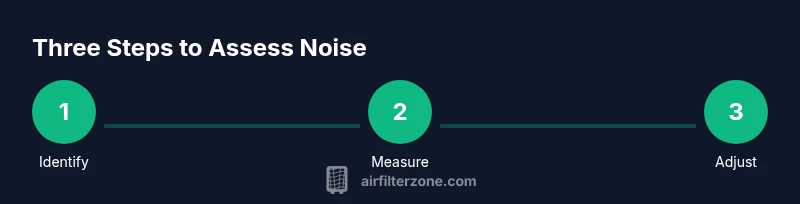
Identify and review the device
Locate the model’s manual and locate the speed control and any dampening features. Read safety notes and warranty statements to ensure you stay within approved boundaries. This step establishes the baseline and clarifies what changes are allowed.
Tip: Keep a copy of the manual handy; it prevents guesswork and protects warranty rights. - 2
Assess current noise and airflow
Run the device at its normal setting and record the baseline noise level with your decibel app. Note the typical distance and background room noise for accurate comparisons. Document any unusual vibrations or rattles.
Tip: Take three measurements at the same setup to reduce variation. - 3
Increase safe, reversible settings
If the manual allows, raise the fan speed to the next approved level and observe changes in both noise and airflow. Do not exceed manufacturer limits or disable safety interlocks. Stop if the device becomes unstable.
Tip: Only use settings explicitly listed in the manual. - 4
Check for airflow path optimizations
Inspect intake and outlet paths for dust buildup, leaks, or blockages. Clear dust, reseat panels, and ensure all ducts are properly connected. Small changes here can slightly alter noise without modifying internal components.
Tip: Use a soft brush or compressed air; avoid aggressive cleaning that could damage parts. - 5
Test safe dampening changes (if permitted)
If the user manual permits and you know how, temporarily test removing or repositioning non-critical dampening pieces. Revert immediately if any unusual sounds or overheating occur.
Tip: Only conduct dampening tests when the device is powered off and disconnected from power. - 6
Measure, compare, and record
Use the decibel app to measure before and after the changes, at the same distance. Compare data and note any subjective changes in perceived loudness. Repeat with any other approved variations.
Tip: Consistency is key; measure under similar environmental conditions. - 7
Reconcile with safety and warranty
If any change triggers odd behavior (vibration, heat, odor), revert to the baseline configuration. Ensure all changes remain reversible and within manufacturer guidelines to preserve warranty and safety.
Tip: Document each change to help you recall what worked later.
FAQ
Is it safe to deliberately make my air filter louder?
Deliberately increasing noise is not generally advised. Focus on safe, reversible tweaks and follow the manufacturer’s guidance to avoid safety or warranty issues.
Deliberately making it louder isn't usually safe. Stick to reversible tweaks and follow the manual.
Will increasing noise void my warranty?
Modifications can affect warranty coverage. Check the policy and limit changes to those documented by the manufacturer.
Modifications can void warranties; check policy and keep changes within manufacturer guidelines.
What are safe limits for fan speed?
Always stay within the speeds listed in the manual. Do not exceed manufacturer-recommended settings.
Only use speeds the manual says are safe.
Can louder air filters damage my system?
Excessive vibration or heat from improper changes can cause wear. Revert changes if symptoms occur and consult a professional.
Yes, improper changes can cause damage. Revert if you notice issues.
Are there legal noise restrictions for home devices?
Local ordinances may regulate indoor and outdoor noise. Check your area’s guidelines if you’re unsure.
Local noise rules may apply; check your area’s guidelines.
Watch Video
Quick Summary
- Understand what 'louder' means in decibels and perception.
- Keep changes reversible and within manufacturer guidelines.
- Use measurements to validate louder vs. safer outcomes.
- Document changes to build a clear trail for maintenance.
- Safety and warranty considerations should guide every step.