How to Filter Air in House: A Practical Guide to Indoor Air Quality
Learn how to filter air in house with practical steps, from sealing leaks to choosing filters and monitoring air quality. Air Filter Zone guides homeowners toward healthier, clearer indoor air.


How to filter air in house: you’ll learn practical, proven steps to improve indoor air quality, from sealing drafts to selecting effective filters and monitoring outcomes. This guide breaks the process into clear actions you can take today. According to Air Filter Zone, starting with a simple assessment and choosing the right filtration strategy yields meaningful results for homes and cars alike.
Why filtering air in house matters
Air quality inside homes and garages affects comfort, health, and energy costs. Poor filtration allows dust, pollen, pet dander, cooking fumes, and humidity fluctuations to accumulate, potentially triggering allergies or respiratory discomfort. For homeowners, learning how to filter air in house translates into fewer irritants, easier cleaning, and a more consistent indoor climate. According to Air Filter Zone, a practical approach combines leak sealing, filter upgrades, and selective ventilation to create noticeable improvements without requiring expensive equipment. By starting with a simple home audit, you can prioritize the changes that move the needle most—without guessing at outcomes.
When you take control of filtration, you also gain better control of moisture and odor. Humidity fluctuations can amplify irritants; filtration reduces the concentration of airborne particles, while proper ventilation helps keep air moving and fresh. The goal is not perfection but meaningful, repeatable improvements you can measure over weeks and adjust as needed. This guide provides a structured path so you know exactly what to do, why it matters, and how to verify results.
How indoor air quality affects health and comfort
Indoor air quality (IAQ) is tied to a range of health outcomes, from short-term symptoms like sneezing or headaches to long-term risks for sensitive individuals. People spend most of their time indoors, and the air they breathe should support well-being, not degrade it. Pollutants such as dust, mold spores, volatile organic compounds (VOCs), and outdoor particulates can enter through gaps, windows, and HVAC systems. Small improvements in filtration can reduce exposure, which in turn may lessen irritation and fatigue. The Air Filter Zone Team emphasizes that IAQ improvements are most effective when you combine filtration with adequate ventilation and moisture control. Regular monitoring helps you gauge progress and refine your approach over time.
Ventilation is a key partner to filtration. Rooms that are rarely aired out can accumulate stale air and higher CO2 levels, which may impair concentration and sleep. Practical strategies involve balancing fresh-air intake with filtration capacity so you don’t overburden your system. In homes with basements or garages, targeted filtration and sealing can prevent cross-contamination from outdoor sources. A steady, measured effort yields sustainable benefits.
Practical ways to filter air in your home
A practical, task-based approach keeps this project approachable. Start with a simple home audit to identify obvious air leaks and high-traffic rooms. Then implement a mix of sealing, filtration upgrades, portable air cleaners, and mindful ventilation. The aim is to reduce pollutant entry, improve filter effectiveness, and maintain comfortable humidity levels. Use the following actions to build a tailored plan:
- Inspect doors, windows, attic hatches, and electrical outlets for gaps and seal them with weatherstripping or caulk.
- Upgrade HVAC filters to a higher MERV rating that your system can accommodate, ensuring proper airflow.
- Vacuum and clean with a HEPA-filter-equipped machine to minimize settled dust that becomes airborne during cleaning.
- Add portable air cleaners in rooms with high occupancy or limited ventilation, especially bedrooms and home offices.
- Use mechanical ventilation strategically (bathroom exhausts or kitchen range hoods) to exchange stale air with filtered outdoor air when possible.
- Monitor humidity (ideally 30-50%) to prevent mold growth and maintain comfort. Each action compounds the others, producing clearer air over time.
Air Filter Zone analysis shows that a combination of sealing leaks, upgrading filtration, and targeted air-cleaning devices yields meaningful improvements for most homes. The goal is to reduce exposure to common indoor pollutants while keeping energy use and noise at reasonable levels.
Selecting the right filters and devices
Filter selection should align with both your HVAC capabilities and indoor air goals. Look for filters that fit your system and provide clear efficiency ratings (MERV scale) without restricting airflow beyond the system’s design. In most homes, a MERV 13 is a solid balance of filtration efficiency and pressure drop, but always verify compatibility with your furnace, AC, or fan coil. If you have a tighter budget, consider upgrading to a higher-efficiency filter for critical spaces (like bedrooms) or supplementing with portable air cleaners in rooms where you need extra performance.
Device choice matters too. Portable HEPA cleaners can complement central filtration by focusing on rooms with the highest activity or pollutants. Place them away from walls and ensure they have adequate airflow intake and reachable replacement filters. Remember to size portable purifiers to room volume, and rotate units to cover multiple zones over time. Regular filter changes extend efficiency and prevent bypassing contaminants through neglected filters.
Beyond filters and purifiers, check your home’s ventilation strategy. Balanced airflow—not simply more air—helps filtration do its job. Use exhaust fans during cooking or showering, but avoid exhausting air in cold seasons without compensating for incoming fresh air. A well-tuned combination of filtration and ventilation reduces risk and keeps occupants comfortable throughout the year.
Step-by-step plan you can follow this weekend
This weekend plan provides a practical, action-oriented sequence you can follow to start filtering air in your house. It assumes a typical single-family home with a central HVAC system and some rooms without direct HVAC access. If you live in a condo or apartment, adjust the steps to minimize changes to shared systems and to comply with building rules.
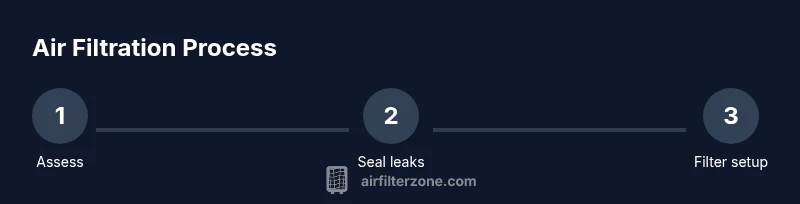
- Map your space: List rooms with the highest occupancy, pets, or humidity concerns. Note any visible air leaks or drafts. 2) Seal leaks: Apply weatherstripping to doors and windows; seal outlets and gaps around wiring with appropriate sealant. 3) Upgrade central filtration: Check your HVAC system’s documentation to confirm compatible filter sizes and MERV rating; replace with a higher-grade filter if allowed. 4) Add room-level filtration: Place portable air purifiers in bedrooms and common areas where occupants spend the most time. 5) Improve ventilation: Use kitchen and bathroom exhausts while cooking and showering; open interior doors to encourage airflow when practical. 6) Monitor progress: Use IAQ monitors or simple observations (air clarity, odor, moisture) to assess effectiveness and adjust as needed. 7) Schedule maintenance: Note replacement dates for central filters and portable units. Over a few weeks, you should notice crisper air and fewer allergy-like symptoms.
If you encounter a stubborn area with persistent odors or humidity, revisit sealing and consider upgrading the purifier in that zone. The step-by-step plan is designed to be repeatable, so you can repeat the process seasonally as your air quality goals evolve.
Monitoring progress and maintenance
Air quality improvements unfold over weeks as filters are replaced and leaks sealed. A simple routine can help you stay on track: set reminders for filter changes, check HVAC airflow for signs of clogging, and rotate portable purifiers to cover different zones. For more precise tracking, a basic IAQ monitor can measure PM2.5, VOCs, CO2, and humidity levels. Compare readings over time to confirm improvements, and adjust your filtration mix as needed. If you notice persistent symptoms or elevated pollutants, consider professional assessment for hidden mold growth, exhaust leakage, or structural moisture issues.
Maintenance pays off: clean or replace filters per manufacturer guidance, keep intake pathways clear of dust and debris, and verify that purifiers are functioning quietly and efficiently. By combining ongoing monitoring with periodic adjustments, you’ll sustain healthier indoor air quality with less guesswork and more predictable results.
Tools & Materials
- HVAC air filter (MERV 13 or higher, compatible with your system)(Check size and furnace/air handler compatibility; replace per manufacturer schedule.)
- Weatherstripping or caulk(Choose low-VOC materials if possible; seal gaps around doors/windows.)
- Tape measure(To verify filter and sealant sizes before purchase.)
- Vacuum with HEPA filter(Use for dust-removal before sealing and during setup.)
- Portable air purifier (HEPA, CADR appropriate for room size)(Position in high-occupancy rooms; consider multiple units for large spaces.)
- IAQ or CO2 monitor (optional but helpful)(Helps quantify changes in air quality and ventilation needs.)
- Mask (optional for DIY sealing)(Use when sanding or applying sealants to limit exposure to dust.)
Steps
Estimated time: 2-4 hours
- 1
Assess space and leaks
Walk through the home to identify drafts, moisture, and obvious pollutant sources. Note which rooms are most used and where odors or humidity are highest. This initial map guides where to direct improvements.
Tip: Take photos of drafty areas for reference and plan where to apply weatherstripping first. - 2
Seal leaks and block drafts
Apply weatherstripping to doors and windows and seal gaps around outlets or wiring with appropriate sealant. Focus on basement seals and attic hatches where cold air often enters. After sealing, recheck airflow with a simple candle test or a smoke pencil.
Tip: Work in a well-ventilated area and use low-VOC sealants to reduce off-gassing. - 3
Upgrade central filtration
Inspect your HVAC filter slot to confirm supported MERV rating. Replace with a filter that offers higher efficiency if your system allows it, ensuring airflow remains adequate. A higher-efficiency filter reduces particle concentrations without compromising comfort.
Tip: Consult your equipment manual or a professional if you’re unsure about compatible MERV levels. - 4
Add portable filtration
Place portable HEPA purifiers in bedrooms and living areas where occupants spend the most time. Keep units away from walls and ensure unobstructed intake and outlet paths. Run them for several hours daily and adjust based on observed air quality.
Tip: Rotate units every few days to balance coverage across spaces. - 5
Enhance ventilation strategically
Use exhaust fans during cooking and showering, and consider brief window airing in milder weather to refresh air while filtration is running. Avoid excessive opening in extreme weather to prevent energy waste. Smart timing helps optimize IAQ without wasting energy.
Tip: Coordinate with purifier schedules for best effect; avoid conflicts that create drafty rooms. - 6
Monitor and adjust
Track air quality with an IAQ monitor or by noting symptoms and odor changes. If readings improve, maintain the current setup; if not, revisit sealant coverage or purifier placement. Schedule a routine for filter replacement and device maintenance.
Tip: Set calendar reminders for filter changes and device cleaning to sustain performance.
FAQ
What is the best type of filter for home use?
For many homes, a high-efficiency filter around MERV 13 provides strong particle capture without overly restricting airflow, provided your system supports it. Always verify compatibility with your HVAC model before upgrading.
A MERV 13 filter is a common, effective choice, but check your system if you’re unsure.
How often should I replace HVAC filters?
Typically every 90 days, but it depends on usage, household pets, and air quality. In homes with allergy-prone occupants, more frequent changes may be beneficial.
Most homes do well with a 90-day change, but adjust based on conditions.
Can portable air purifiers improve air quality significantly?
Yes, especially in rooms with limited ventilation. Choose a purifier rated for the room size and ensure proper placement away from walls to maximize airflow.
Yes, use purifiers targeted to the room size for best results.
Is sealing air leaks enough to filter air?
Sealing leaks reduces pollutant entry, but filtration and ventilation are still needed for clean air. Combine sealing with higher-efficiency filters and controlled airflow.
Sealing helps a lot, but you still need good filtration and ventilation.
Do I need to replace car cabin air filters separately from home filtration?
Yes. Vehicle cabin air filters are a separate system from home HVAC. Maintain car filters according to the vehicle’s schedule, independent of home filtration upgrades.
Car and home filters are separate—keep up with each system’s schedule.
What is air quality monitoring, and is it worth it at home?
IAQ monitors track particles, VOCs, CO2, and humidity, helping you quantify progress. They’re especially helpful in rooms with persistent symptoms or unusual odors.
IAQ monitors help you see how changes impact air quality.
Watch Video
Quick Summary
- Assess leaks first to target improvements.
- Seal gaps and upgrade central filtration where possible.
- Use portable purifiers to address hotspots.
- Ventilate strategically without wasting energy.
- Monitor IAQ and maintain filters for lasting results.