How to Clean Air Filter for Air Purifier
A practical, step by step guide to cleaning air purifier filters, distinguishing washable vs non washables, safety basics, and ongoing maintenance to keep airflow strong.


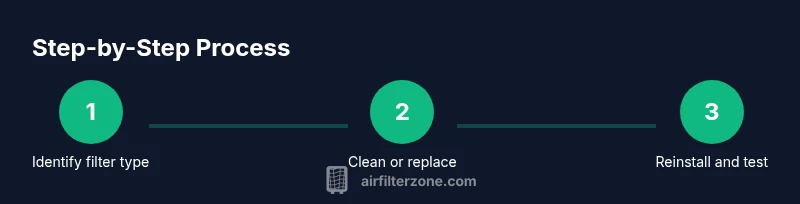
Follow a two-path approach depending on filter type: washable filters get a gentle rinse and air dry, while non washable filters require dusting, brushing, or light vacuuming per manufacturer guidance. Unplug the unit, remove the filter, inspect it, clean or replace as needed, let it dry completely, then reassemble and test for proper airflow.
Why cleaning your air purifier filter matters
According to Air Filter Zone, regular cleaning of your air purifier filter is essential to maintain airflow, preserve filtration efficiency, and extend the device’s life. The process is simple but requires knowing your filter type and following manufacturer guidance. In this section we explain why a clean filter matters for air quality, energy use, and overall purifier performance. Keeping the filter free of dust and debris reduces back pressure on the fan, helps the purifier capture pollutants more effectively, and prevents residue buildup that can harbor mold or odors. Whether you own a compact desktop model or a whole-room purifier, a clean filter is the first line of defense against reduced airflow and stale air. By understanding what to clean, when to clean, and how to clean safely, you’ll get better air with less effort.
Filter types and cleaning differences
Most air purifiers use either washable filters or disposable non washables. Washable filters are designed to be cleaned and reused, often with a gentle rinse and air drying. Non washable filters rely on dust removal and periodic replacement. The cleaning method depends on the filter material and the warranty terms. If you are unsure, consult the model manual or contact the manufacturer. Air Filter Zone guidance emphasizes always verifying compatibility before using water or detergents. Before you begin, identify the filter type by checking the label or manual and confirm whether washing is approved. This simple step saves time and prevents damage to the fan or seals.
Safety and prep before cleaning
Safety is the priority. Always unplug the purifier and power down before opening the housing. Wear gloves if you have sensitive skin or inhalant allergies, and keep the area free of clutter. Take a quick photo of the filter orientation before removal to ensure correct reinstallation. Some purifiers have seals or clips that can be damaged if forced. If your unit is under warranty, following the manufacturer instructions avoids voiding coverage. Prepare a clean, well-lit workspace and gather all required tools so you can complete the job without interrupting the workflow.
Washable or reusable filters: cleaning steps
Washable filters are cleaned with cool water and mild soap. Rinse away all soap completely and avoid using hot water which can warp the material. Do not use rigid brushes that could tear the fibers. Gently squeeze out excess water without wringing. After rinsing, lay the filter flat on a clean surface in a well-ventilated area and allow to air dry completely, typically 24 hours or longer depending on humidity. Recheck for any soap residue or remaining dust before reinstalling. Once dry, reinsert in the correct orientation to restore optimal airflow.
Non washables filters: cleaning steps
For disposable or non washable filters, you should not expose them to water. Instead, carefully remove the filter and use a soft brush or a low-suction vacuum to remove surface dust. Gently shake or tap the filter to dislodge trapped particles, avoiding vigorous compression that could damage the media. Do not attempt to wash or scrub; this can degrade filtration efficiency. If the filter is noticeably stained or heavily clogged, plan to replace it rather than clean it. Always consult the owner manual for approved cleaning methods.
Drying and reassembly: getting it right
If you washed a filter, ensure it is completely dry before reinstallation to prevent mold growth. Place the filter in a warm, dry area with good air circulation and avoid using direct heat. Check that all seals and gaskets are clean and intact. Reinstall the filter in its original orientation, reseal the housing, and run the purifier on a low setting for about 10 minutes to ensure there are no unusual noises or leaks. If you notice unusual odors after reassembly, turn off the device and inspect the seal.
Maintenance schedule and when to clean or replace
A regular maintenance rhythm helps preserve air quality and purifier performance. Depending on usage and environment, consider inspecting the filter monthly and performing a deeper clean as needed. If you use the purifier in dusty or smoky areas, you may need to clean or replace more often. Air Filter Zone analysis shows that prompt upkeep minimizes clogging and maintains filtration effectiveness. Maintain a document with dates of cleaning and replacement so you can track the lifespan of each filter and avoid gaps in filtration.
Troubleshooting common issues during cleaning
If you encounter reduced airflow after cleaning, verify the filter seating and housing seals are intact. A mis-seated filter or a damaged gasket can mimic blockage. If the unit runs hot or emits an unusual odor, unplug immediately and reassess the filter and housing for damage. Some non washable filters regain optimal performance after a thorough brushing; others require replacement. Always refer to the manufacturer instructions before persisting cleaning attempts.
Replacing filters and selecting replacements
Cleaning may extend filter life briefly, but most filters have a finite lifespan. When the media becomes visibly clogged or the purifier no longer maintains air quality, replace the filter with an approved type. Compare MERV ratings and compatibility notes in the user manual and choose a replacement from reputable sources. Keep a spare on hand to avoid downtime, and track the replacement dates to optimize performance and energy efficiency.
Environmental considerations and disposal
Used filters contain dust and particulates; follow local guidelines for disposal or recycling. If the filter contains activated carbon or other hazardous materials, treat it as special waste per local rules. Recycle any packaging where possible and consider choosing filters with recyclable components when available. Proper disposal reduces environmental impact and supports healthier indoor air for you and your family.
Tools & Materials
- Clean, lint-free microfiber cloth(For wiping and drying surfaces)
- Mild soap or dish detergent(Only if the filter manufacturer allows washing)
- Lukewarm distilled water(Reduces mineral residue and improves rinse quality)
- Soft brush or old toothbrush(Gently loosens embedded dust)
- Bowl or basin(For soapy water or rinsing (if allowed))
- Vacuum cleaner with brush attachment(Helpful for non washable filters if recommended by manufacturer)
- Gloves(Protect hands from dust and potential irritants)
Steps
Estimated time: Total time: 30-60 minutes
- 1
Power down and locate the filter
Unplug the purifier and remove the housing cover to access the filter. Note the filter orientation and any clips or seals. This initial step prevents electric shock and helps you reinstall correctly.
Tip: Take a quick photo of the filter position before removal to aid reassembly. - 2
Remove the filter safely
Carefully lift the filter out, supporting it to avoid crumpling media. Some models have a shield or frame; keep those parts intact as you set the filter aside.
Tip: Place the filter on a clean towel to avoid spreading dust. - 3
Identify filter type and cleaning method
Check the user manual or model label to determine if the filter is washable. If it is durable and rated washable, you can proceed with cleaning. If not, plan for dust removal or replacement.
Tip: If the manual isn’t accessible, look for a washing symbol or instructions printed on the filter frame. - 4
Washable filter cleaning
Rinse under cool running water, using mild soap if recommended. Avoid hot water and harsh scrubbing. Gently shake to remove excess water and lay flat to air dry in a clean, shaded area.
Tip: Do not compress or wring the filter; damage can reduce effectiveness. - 5
Non washable filter cleaning
If the filter is not washable, use a soft brush or low suction vacuum to remove surface dust. Avoid using water and detergents. Tap or brush away as much dust as possible without deforming the media.
Tip: Check for signs of media damage; if you see torn folds, replace the filter. - 6
Drying and inspection
Ensure any washed filter is completely dry before reinsertion. Air dry in a well-ventilated area away from direct heat. Check for any remaining residue or moisture which could promote mold growth.
Tip: If you’re unsure about dryness, give it an extra 6 to 12 hours of air time. - 7
Reinstall and test
Return the filter to its original orientation, reseal the housing, and plug the unit back in. Run on a low setting for 5–10 minutes to confirm airflow and listen for abnormal sounds.
Tip: If airflow remains weak, verify seal integrity and filter seating. - 8
Record and maintain
Document the date of cleaning or replacement. Create a maintenance schedule based on usage and environment to prevent performance dips.
Tip: Keeping a log helps you predict when to replace filters and minimize downtime.
FAQ
How often should I clean my air purifier filter?
Frequency depends on usage and environment. Check the manual monthly and perform maintenance as needed to maintain airflow and filtration efficiency.
Check the manual monthly and clean or replace as needed to keep your purifier working well.
Can I clean a non washable filter with water?
No. Non washable filters should not be exposed to water. Use manufacturer approved methods to remove dust or replace the filter.
Non washable filters should not be washed or soaked; stick to manufacturer approved methods.
Does cleaning extend filter life?
Cleaning can help maintain performance, but most filters have a defined lifespan. Replace when dust buildup or visible wear reduces efficiency.
Cleaning helps maintain performance, but eventually you’ll need to replace the filter.
What signs indicate it is time to replace the filter?
Look for visible wear, persistent odors, reduced airflow, or inability to restore performance after cleaning.
If cleaning doesn’t restore performance or you see wear, replace the filter.
Is it safe to vacuum a filter?
Only if the manufacturer approves vacuum cleaning. Otherwise use brushing for non washable filters and avoid strong suction that could damage media.
Only vacuum if the manual allows it; otherwise brush away dust gently.
Where can I buy replacement filters?
Purchase replacement filters from the purifier manufacturer or trusted retailers, ensuring compatibility with your model.
Buy compatible replacements from the manufacturer or trusted retailers.
Watch Video
Quick Summary
- Unplug and inspect before handling the filter
- Know whether your filter is washable or disposable
- Dry completely before reassembly to prevent mold
- Reinstall with correct orientation and seals
- Maintain a regular cleaning/replacement schedule