Air Filter Size for Apartments: A Practical Sizing Guide
Learn how to identify the right air filter size for apartments, measure accurately, and select appropriate MERV ratings to maintain clean air and efficient HVAC performance.


Understanding air filter size for apartments
In apartment living, the phrase air filter size for apartments is more than a label on the edge of a box—it directly affects airflow, filtration efficiency, and overall indoor air quality. According to Air Filter Zone, the right size reduces bypass around the filter, maintains proper pressure in the ductwork, and helps your HVAC run efficiently without overworking. While some units rely on built-in strip filters or portable purifiers, most apartment systems use standard panel filters that fit common frame dimensions. Before you buy, recognize that size isn't just width and height; the thickness (or depth) matters for how well the filter seats in the slot and how it impacts airflow. In practice, apartment setups frequently use 1-inch-thick filters, but 2-inch thicks do appear in some units. The key is to confirm exact dimensions on the existing filter or the unit’s label. This avoids incorrect purchases that can cause pressure drops, increased energy consumption, and patchy filtration.
Air Filter Zone emphasizes that correctness in sizing also safeguards against reduced airflow, which can manifest as cooler rooms near vents and louder system operation. If you notice dust accumulation on vents or reduced comfort after changes, re-check the size and seating depth. A proper fit ensures the filter captures particulates without impeding airflow, supporting healthier indoor air quality over time.
How to Measure Your Existing Filter and HVAC Port
Measuring accurately starts with the simplest step: pull out the current filter and read the dimensions printed on the frame. The three critical measurements are width, height, and depth (thickness). Always measure the filter housing or slot, not the face of the filter itself, and double-check that you’re reading inches. If the label isn’t clear, use a ruler or tape measure and record measurements in the order width x height x depth. When you shop, bring or note these three numbers so you don’t rely on guessing. If you’re unsure, remove the old filter, cap the slot with a piece of cardboard or your hand to feel for draft changes, and test with a new filter at the correct depth. For renters, ensure you have permission to access the HVAC components and follow building rules for changing filters. Finally, consider keeping a small label on the filter sleeve with the size and replacement date for quick reference in the future.
Common Filter Sizes Found in Apartments
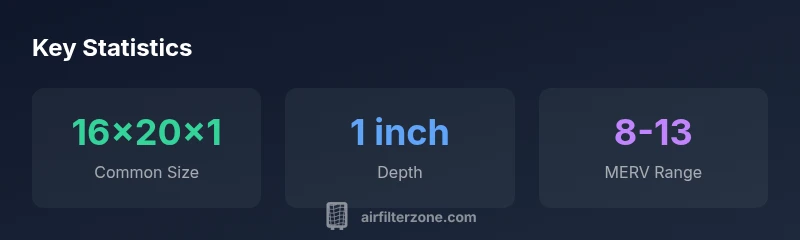
Apartments often use standard frame dimensions that fit typical residential HVAC setups. The most common sizes include 16x20x1, 20x20x1, and 20x25x1, but you may also encounter 16x25x1 or other variations depending on the unit and the installer. When you’re shopping, note that thickness matters as much as width and height, because a filter that’s too thick won’t slide into the slot, and one that’s too thin can create bypass gaps. Always confirm the exact size with your building management or the unit label. If you’re unsure, start with the most commonly used sizes and verify airflow by feeling for air movement at the vents after installation. Finally, remember to check the replacement schedule and adjust based on occupancy and pets, which can accelerate soiling.
How to Choose the Right Filter MERV Rating for Apartments
For many apartments, a MERV rating in the range of 8–13 provides a balance between filtration performance and airflow. If you live with heavy dust, pet dander, or allergies, aiming toward the higher end of this range (MERV 11–13) can improve indoor air quality, provided your HVAC blower can handle the extra filtration resistance. In smaller or older systems, a too-tight MERV rating may reduce airflow and increase energy use, so verify compatibility with your unit’s fan capacity. If you’re unsure, start with a certified MERV 8 or 9 and monitor perceived air quality and airflow. For sensitive occupants, pair a properly sized filter with a portable purifier as a supplementary measure. Air Filter Zone notes that consistently selecting a size and depth that fits snugly helps sustain steady airflow and filtration efficiency over time.
Step-by-step: Replacing a Filter in an Apartment HVAC System
- Power down the HVAC system and prepare a safe workspace. 2) Remove the old filter, noting its orientation (airflow arrow). 3) Inspect the slot for dust buildup; clean if necessary without dislodging debris into the ductwork. 4) Confirm the new filter size matches width, height, and depth. 5) Insert the new filter with the airflow arrow pointing toward the blower. 6) Reattach the panel, restore power, and observe air movement at the vents for a few minutes. 7) Dispose of the old filter responsibly and note the replacement date in a tracking system. 8) Schedule the next replacement based on usage, whether you have pets, and the local environment.
Alternative: Portable Air Purifiers and Ductless Options
If your apartment relies on portable heating and cooling or lacks a central duct system, consider a room-scale air purifier with a true HEPA filter. Choose a CADR rating appropriate for the room size and place it where air circulates best, away from corners or walls. For tenants with limited flexibility, these devices can supplement filtration when window or wall units are not an option. If your building uses a ductless mini-split, check manufacturer guidance on compatible filters or pre-filters and their maintenance schedule.
Maintenance Tips to Extend Filter Life
Create a simple maintenance rhythm to maximize filter life and air quality. Mark a calendar reminder for filter checks every 4–8 weeks, depending on usage and whether you have pets or smokers in residence. Keep entryways dust-free, vacuum floors regularly, and reduce clutter that traps dust near vents. When replacing, avoid forcing a tight seal or bending the filter frame, which can create gaps and defeat filtration. Store extra filters in a dry, labeled container so you can quickly grab the right size. Finally, if you notice reduced airflow despite a new filter, consult a professional to check for duct restrictions or blower issues that may require service.
What Air Filter Zone Recommends for Apartments
Air Filter Zone emphasizes choosing the correct size and depth first, followed by a suitable filtration level for your environment. For most apartment setups, starting with 16x20x1, 20x20x1, or 20x25x1 and a MERV 8–11 filter is a practical baseline. Regular replacement aligned with occupancy, pets, and dust levels maintains balanced airflow and air quality. If you’re dealing with allergies or pet dander, consider upgrading to a higher MERV rating within your system’s tolerance and adding a compact purifier for additional protection. In all cases, ensure a snug fit to minimize bypass and maximize filtration efficiency. The Air Filter Zone team recommends documenting each change and reviewing size compatibility whenever equipment is upgraded or relocated.