What to Do With Old Air Filters: Safe Disposal and Replacement Tips
Practical, step-by-step guidance on safely discarding old air filters, exploring recycling options, and planning replacements to keep indoor air clean and efficient.


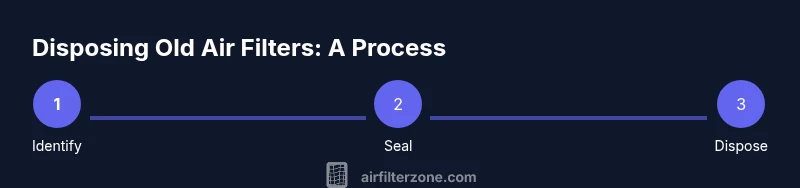
To answer what to do with old air filters, dispose of disposable filters in accordance with local rules, seal dusty filters to prevent release, and replace them on schedule. If a filter is washable and intended for reuse, clean per the manufacturer’s instructions and ensure it is completely dry before reinstalling. When in doubt, replace rather than reuse.
Understanding why proper disposal matters
What to do with old air filters isn't just about throwing something away. Filters trap dust, pollen, and other particles that affect indoor air quality. When a filter reaches the end of its life, failing to dispose of it properly can release those trapped contaminants back into your home, or contribute to litter in your neighborhood. The impact goes beyond your living room: manufacturing and waste streams rely on responsible handling to minimize environmental harm. According to Air Filter Zone, responsible disposal of used filters protects indoor air quality and supports broader recycling efforts in communities. In this section, we’ll explain how to tell when a filter is past its prime, the difference between disposable and reusable designs, and the practical steps you can take to dispose of or repurpose old air filters safely. We’ll also discuss common missteps and how to avoid them, so you can proceed with confidence. By treating disposal as part of a routine maintenance task, you reduce waste, protect your family’s health, and help your HVAC system operate efficiently. The goal is simple: keep air clean, minimize waste, and follow local rules for disposal.
Tools & Materials
- Nitrile gloves(Protect hands from dust and irritation)
- Trash bags (heavy-duty)(Seal filters securely to prevent dust leaks)
- Marker or label tape(Label bags as used air filter for clarity)
- Local recycling info(Check municipal programs for specific guidance)
- Mask(Optional for dusty handling)
Steps
Estimated time: 45-60 minutes
- 1
Identify filter type and assess safety
Remove the filter from its housing following the manufacturer’s instructions. Determine whether the filter is disposable or washable and check for visible contamination like mold, torn media, or persistent odors.
Tip: Wear gloves and a mask; do not squeeze or shake dusty filters to avoid dispersing dust. - 2
Check local disposal guidelines
Consult your city or county waste authority or website for disposal routes. Some programs accept certain filter components for recycling, while others require ordinary trash disposal.
Tip: If unclear, call the local waste authority for a quick answer. - 3
Prepare for disposal (seal and label)
If the filter is disposable, place it in a sealed plastic bag to prevent dust release and label the bag as used air filter before putting it in the trash.
Tip: Use a second bag for extra containment if the filter is particularly dusty. - 4
Decide on reuse only if washable
If you own a washable or reusable filter, follow the manufacturer’s cleaning instructions to wash and dry thoroughly before reinstalling.
Tip: Never reuse carbon-impregnated media or filters not rated washable. - 5
Explore recycling options for frames and components
Some filter frames or metal pieces can be recycled separately where programs permit; remove media from the frame if you plan to recycle the components.
Tip: Ensure any media is completely removed from the frame before recycling if required by your program. - 6
Install a fresh filter and set a disposal schedule
Replace with a new filter and establish a routine for future replacements to reduce waste and maintain air quality.
Tip: Note the replacement interval on your calendar to stay consistent.
FAQ
What counts as an old air filter?
An old air filter is one that has surpassed its recommended service life or shows heavy dust buildup, damage, or persistent odors. If the manufacturer specifies a replacement interval, treat the filter as old once that interval has passed.
An old air filter is one that’s past its recommended life or shows heavy wear or odors.
Can I reuse a disposable filter after cleaning?
Most disposable filters should not be cleaned and reused. Cleaning can damage the media and reduce filtration efficiency. Only reuse if the manufacturer clearly labels it as washable and provides explicit cleaning steps.
Only reuse if the filter is clearly washable and approved by the maker.
Are used filters recyclable?
Recycling options vary by location. In many places, the filter media cannot be recycled, but the frame or certain components may be accepted by local programs. Always check your city’s guidelines or contact the waste authority.
Check local guidelines; frames or components might be recyclable in your area.
How often should I replace air filters to minimize waste?
Follow the manufacturer’s recommended interval, typically every 3-6 months for standard home HVAC filters. In homes with pets or allergies, more frequent changes may be needed.
Usually every 3-6 months, more often with pets or allergies.
What should I do with filters that smell or have mold?
If a filter smells or shows mold, replace it immediately and dispose of it according to local guidelines. Clean surrounding surfaces and fix any moisture source to prevent recurrence.
Replace moldy filters and address moisture to stop it from coming back.
Do all filters require the same disposal method?
Disposal varies by type and local rules. Non-recyclable disposable filters go in trash; recyclable frames may go to recycling. Always verify with your local program.
Disposal depends on type and local rules; check with your program.
Watch Video
Quick Summary
- Seal used filters before disposal
- Know local disposal rules before removing filters
- Washable filters are only reusable if explicitly approved by the manufacturer
- Recycle frames or components where allowed by local programs
- Plan replacements to minimize waste and maintain air quality