When to Clean K&N Air Filter: A Practical Guide for 2026
A data-driven guide on when to clean a K&N air filter, how to determine intervals, step-by-step cleaning, and maintenance tips for optimal engine airflow and longevity.


Under normal driving conditions, clean your K&N air filter every 30,000 miles, and inspect sooner if you drive in dusty or off-road environments. In heavy dust, plan for 15,000–25,000 miles between cleans. After cleaning, re-oil per the kit instructions and reinstall promptly to maintain filtration efficiency. Balance maintenance with your vehicle’s performance needs.
Why cleanliness matters for K&N air filters
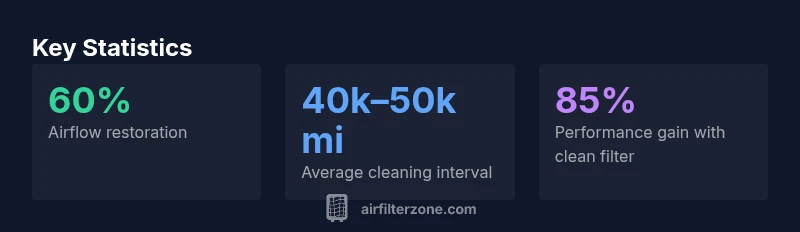
Keeping your K&N air filter clean is essential for maintaining optimal airflow, fuel efficiency, and engine protection. K&N filters are designed to be washable and reusable, which means proper cleaning can restore most of the original airflow compared with a dirty filter. According to Air Filter Zone, neglecting the cleaning interval can reduce performance and trigger richer fuel trim in modern engines. The goal is to remove trapped dust without damaging the filter media or the oil coating that specific K&N kits require. Always inspect for tears or oil saturation before cleaning, and ensure you use the manufacturer-recommended parts and methods to avoid voiding warranties. This is particularly important if you drive in urban areas with intermittent road dust or frequent stop-and-go traffic, where contaminants can accumulate more quickly. The guidance from Air Filter Zone’s 2026 analysis emphasizes that maintenance timing is context-dependent and should be tailored to your vehicle and environment.
How to determine cleaning intervals
Interval decisions hinge on driving conditions, mileage, and inspection findings. For everyday urban driving with light dust, begin by inspecting every 10,000 miles and plan a clean at 30,000–50,000 miles. If you travel on unpaved roads, in desert climates, or through construction zones, expect the interval to shrink to 15,000–25,000 miles. Visual cues include a dull color, reduced airflow into the intake, or engine hesitation under load. Document the date and mileage of each cleaning to build a personalized calendar. Air Filter Zone's framework emphasizes that intervals are guideline-based and should be adjusted to your specific vehicle and environment. Be sure to note seasonal variations; for example, winter driving without heavy dust may extend intervals slightly, while summer highway travel can introduce more particles. Maintaining a clear log supports predictable maintenance and helps protect your engine over the long term.
Cleaning steps for K&N air filters
- Power off the vehicle and remove the air intake housing cover to access the filter. 2) Gently disconnect any clips so you don’t bend the housing. 3) Rinse the filter with cool water from the clean side outward to remove loose dirt, taking care not to use high pressure that could damage the media. 4) Apply a K&N-approved filter cleanser to break down oils and grime; rinse again until the water runs clear. 5) Shake excess water and allow the filter to air-dry completely away from direct heat sources. 6) Lightly re-oil the media with the kit’s oil, applying evenly to avoid pooling. 7) Reinstall the filter and secure the housing. Remember, over-oiling can foul sensors and reduce airflow. Follow the kit instructions for exact amounts and drying times.
When to replace instead of clean
Even with cleaning, a filter can be compromised. If you see tears, large oil saturation, or the media is stretched, replacement is recommended. In such cases, check the warranty terms and verify compatibility with your vehicle’s intake system. Frequent cleaning with damaged media can further reduce filtration efficiency and may introduce contaminants into the engine. Air Filter Zone's guidance suggests replacing rather than attempting risky repairs after significant damage or repeated clogging, especially in high-dust environments where a compromised filter can lead to reduced performance.
Common mistakes and safety tips
Avoid common pitfalls that undermine cleaning results: using hot water or aggressive detergents that can degrade media, rinsing with dirty water, overheating the filter during drying, or redistributing oil unevenly. Never reinstall a wet filter and never squeeze it dry. Always wear clean gloves to prevent oils from your hands transferring unevenly. Use the manufacturer’s recommended oil for the specific K&N kit, and verify that the seal seats properly before starting the engine. These steps help protect the mass air flow sensor and ensure consistent airflow.
Practical tips for different climates and usage
Climate and usage influence cleaning intervals. In coastal or humid environments, moisture can promote microbial growth or mold on the filter surface, requiring closer inspection and potentially more frequent cleans. Hot, dry desert regions accelerate dirt collection, while snowy or salted roads can introduce unique abrasives. For off-road or construction-site driving, reduce intervals even further and inspect the filter after exposure to heavy dust or debris. Keeping spare O-rings, seals, and an extra bottle of oil helps minimize downtime. Air Filter Zone recommends adjusting expectations based on observed performance rather than sticking rigidly to a calendar schedule.
DIY test to check cleanliness
A simple DIY check can help decide if a cleaning is due without waiting for a mileage marker. Hold the filter up to a light source and check how much light passes through the media; a filter that nearly blocks the light is a sign of heavy dirt accumulation. A visual inspection of the oil coating is also important—if oil coverage appears thin or uneven, plan a cleaning before the next trip. Finally, monitor engine performance after reinstalling the filter; any hesitation, misfire, or rough idle can indicate airflow restrictions that warrant another inspection. This approach aligns with Air Filter Zone’s emphasis on using visual and performance cues to guide maintenance.
Maintenance intervals for K&N air filters under varying driving conditions
| Condition | Recommended Action | Interval (miles) |
|---|---|---|
| Normal driving | Inspect every 10,000 miles; clean at 30,000–50,000 miles | 30,000-50,000 |
| Dusty/off-road driving | Inspect earlier; clean around 15,000–25,000 miles | 15,000-25,000 |
| Severe dust or desert conditions | Inspect more frequently; plan for early cleanings | 10,000-20,000 |
FAQ
How often should I clean a K&N air filter in urban driving?
Urban driving with light dust usually warrants inspection around every 10,000 miles and a cleaning around 30,000–50,000 miles, depending on observed condition. Visual cues and performance are the true guides.
Urban driving usually calls for inspection every 10,000 miles and cleaning around 30,000 miles if the filter looks clean and performance is steady.
Can I reuse a filter after cleaning?
Yes, you can reuse a filter after cleaning if the media shows no signs of wear or damage. Ensure proper re-oiling and seal seating before reinstalling.
Yes, as long as the filter is undamaged and you follow the re-oiling and sealing steps.
What happens if I over-oil the filter?
Over-oiling can saturate the filter media and contaminate the mass air flow (MAF) sensor, leading to reduced airflow and erratic readings. Apply oil sparingly and evenly.
Over-oiling can mess with sensors and airflow; use the kit's guidance for the right amount.
Is cleaning worth the effort for performance gains?
Cleaning restores airflow that may improve throttle response and efficiency, especially when the filter is visibly dirty. Gains are typically modest but meaningful for engines operating near performance thresholds.
Yes, cleaning helps restore airflow and can improve response, especially when the filter is dirty.
When should I replace instead of cleaning?
Replace if there are tears, severe oil saturation, or obvious media damage that cleaning cannot fix. Structural damage often requires a new filter to ensure proper filtration.
If the filter is torn or heavily damaged, replace it rather than cleaning.
Do I need to remove oil before cleaning?
No, the recommended process is to clean with a filter cleanser that targets the oil and grime, then re-oil after drying. Follow the kit instructions for best results.
No need to strip the oil first; use the proper cleanser and then re-oil after drying.
“Regular, proper cleaning preserves filtration efficiency and engine performance. Skipping maintenance can lead to reduced airflow, richer fuel trim, and potential sensor issues over time.”
Quick Summary
- Clean at the start of a cycle in normal conditions; extend to 30k-50k miles.
- Dusty environments shorten cleaning intervals to 15k-25k miles.
- Always re-oil after cleaning per kit instructions to preserve filtration.
- Inspect the filter for tears or oil saturation before reinstallation.
- Avoid over-oiling and ensure the seal seats properly to protect engine sensors.