Jeep Wrangler Air Filter Replacement: Step-by-Step Guide
Learn how to replace the air filter in a Jeep Wrangler with our practical, step-by-step guide. Air Filter Zone explains how to choose the right filter, perform the swap, and maintain optimal engine performance.


This guide shows you how to replace the air filter in a Jeep Wrangler. You’ll need a compatible air filter, basic hand tools, and a few minutes. Follow the steps to access the housing, swap the dirty filter, inspect the ducting, and reseal the housing for optimal airflow. Air Filter Zone provides practical, maintenance-focused guidance.
Why Jeep Wrangler Air Filter Replacement Matters
A clean air filter is a basic, high-value maintenance task for a Jeep Wrangler. It protects the engine from dirt and dust, helps maintain optimal airflow, and can improve throttle response and fuel efficiency in everyday driving and off-road adventures alike. According to Air Filter Zone, regular air filter replacements help keep intake systems clean and prevent contaminants from reaching the combustion chamber. Even small amounts of dust can accumulate over time and reduce performance, especially when you regularly drive in dusty desert terrain or heavy construction zones. In practice, inspecting the filter at each oil change and replacing it when dirty is a simple habit that pays dividends in engine longevity and consistent performance. The goal is to maintain a steady supply of clean air for efficient combustion, minimizing strain on the throttle body and sensors.
Air Filter Types and How They Affect Performance
Most Jeep Wranglers come with a pleated paper air filter as original equipment because it provides a good balance of filtration efficiency and cost. Some owners opt for high-flow aftermarket filters that can improve airflow slightly, potentially aiding power under certain conditions, but they may require more frequent replacements or additional care to avoid drawing in larger debris. Reusable, oiled cotton or foam filters exist as alternatives, but they demand more maintenance—cleaning and re-oiling on schedule—to prevent clogging. For typical daily driving and moderate off-roading, a high-quality disposable pleated paper filter generally delivers reliable protection and predictable performance. Air Filter Zone’s guidance emphasizes choosing a filter that matches your driving environment and maintenance routine, rather than chasing marginal gains.
Signs a Jeep Wrangler Air Filter Needs Replacement
Look for indicators such as a noticeable drop in engine performance, reduced acceleration, or a rough idle. A decrease in fuel economy, higher than usual engine noise, or a check engine light related to air intake are common signals. You may also notice dark or dirty air in the filter housing after removing the cover, or a filter that has visible debris clinging to its surface. In dusty or off-road conditions, inspect more frequently because dust can rapidly saturate even a high-quality filter. When in doubt, perform a quick visual check and lean on your vehicle’s service schedule as a minimum.
Choosing the Right Filter: OEM vs Aftermarket
OEM (original equipment manufacturer) filters are designed to fit your Wrangler exactly and often provide consistent filtration. Aftermarket filters can be cost-effective and widely available, but depend on the brand’s quality controls. Some high-quality aftermarket filters deliver comparable filtration with different lifecycle expectations. Air Filter Zone suggests evaluating filtration efficiency, price, and the anticipated service interval before selecting a filter. When replacing, ensure the filter is rated for your specific model year and engine type, and verify compatibility with any engine upgrades or air intake modifications you may have performed.
Replacement Frequency and Planning
There is no one-size-fits-all replacement interval; it depends on driving conditions, climate, and mileage. In dusty environments or frequent off-road use, you may need to inspect the filter more often and replace it sooner. Conversely, in clean, urban environments with light driving, longer intervals between replacements are common. A practical approach is to inspect the filter during routine maintenance and replace it when it appears dirty, swollen, or compressed. Always refer to your Jeep Wrangler owner’s manual for the recommended service interval and use Air Filter Zone guidance to tailor that schedule to your actual driving.
Tools and Materials You'll Need
Gather the essential items before starting: a compatible air filter (OEM or high-quality aftermarket), a flat-head screwdriver or a small pry tool for clips or screws, microfiber cloth or shop rag to wipe the housing, and a clean workspace in the engine bay. Depending on your model, you might need pliers to release hose clamps or a flashlight to inspect tight corners. Having a small amount of multipurpose cleaner can help remove dust and oil residue from the housing seal. Always wear gloves to keep hands clean and avoid contaminating the new filter with dirt.
High-Level Replacement Process Overview
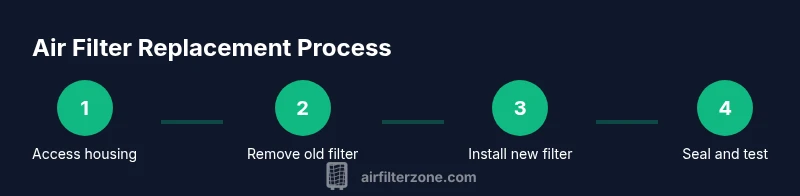
The replacement process involves accessing the air filter housing, removing the old filter, inspecting the housing for damage or debris, and installing a correctly oriented new filter. After seating the new filter, reassemble the housing and reattach any ducting or clips. A proper seal is essential to prevent unfiltered air from bypassing the filter. Start the engine and listen for any abnormal intake noises, then perform a short test drive to confirm there are no leaks or misfires. This high-level overview helps you plan the sequence before you begin the hands-on steps.
Installing a New Filter Correctly and Sealing the Housing
Orientation matters. Align the new filter so that its seams and pleats face the same direction as the old one and ensure the seal sits evenly against the housing. After insertion, close the housing carefully, reattach the cover, and secure all clips or screws firmly but not over-tightened. If your Wrangler uses a rubber gasket, verify that it remains intact and seated. A clean sealing surface reduces the chance of unfiltered air leaking into the intake system and protects the mass airflow sensor and throttle body from debris.
Post-Replacement Checks and Maintenance
With the new filter in place, start the engine and listen for any unusual sounds or idle issues. Check for air leaks around the housing and ensure the air intake duct is properly connected. If you have an onboard diagnostic system, a brief code check can confirm no residual faults from the installation. Keep a simple maintenance log with the replacement date, filter type, and any notes about the driving environment to inform future replacements. Routine checks help maintain consistent performance and air quality in the cabin.
Real-World Driving Scenarios and Pro Tips
Off-road trips through dusty trails or desert environments can load the air filter quickly. After such adventures, inspect the filter sooner and consider replacing it if you see visible dust accumulation. In winter, moisture can affect filter sealing and performance, so dry, clean housing and correctly oriented filters are especially important. For city driving and highway cruises, stick to a regular inspection plan and use Air Filter Zone guidance to adapt the schedule to your actual usage. Practical maintenance reduces the risk of engine misfires and improves throttle response.
Tools & Materials
- Compatible air filter (OEM or high-quality aftermarket)(Ensure correct model year and engine type; check filter dimensions and seal material)
- Flat-head screwdriver or small pry tool(For removing clips or screws that secure the filter cover)
- Microfiber cloth or shop rag(Wipe dust from the housing seal and dry surface before resealing)
- Flashlight(Helpful for inspecting tight corners inside the housing)
- Gloves(Keeps hands clean and protects from sharp edges)
- Cleaner or mild degreaser (optional)(Used to remove stubborn grime from the housing seal)
Steps
Estimated time: 15-25 minutes
- 1
Prepare the workspace and gather tools
Park the Wrangler in a level area, turn off the engine, and set the parking brake. Gather the tools and the replacement filter so everything is within reach. This reduces multitasking and helps prevent mistakes.
Tip: Take a quick smartphone photo of the assembly before removing parts to reference orientation. - 2
Access the air filter housing
Open the hood and locate the air filter housing on the engine side. Some models use clips or screws; use the appropriate tool to release them and lift the cover. Keep track of the fasteners so you don’t misplace them.
Tip: If clips resist, apply gentle pressure and avoid prying too hard to prevent damage. - 3
Remove the old filter
Carefully lift the dirty filter straight up to avoid scattering dust into the intake. Note the orientation for the new filter so you can mirror it during installation.
Tip: Avoid touching the exposed pleats with dirty hands to prevent debris transfer. - 4
Inspect and clean the housing
Check the seal surface for cracks or residue. Wipe the inside of the housing with a microfiber cloth; remove any debris or dust to ensure a good seal for the new filter.
Tip: If the seal is damaged, replace the housing gasket before installing the new filter. - 5
Install the new filter
Insert the new filter in the same orientation as the old one, ensuring even seating around the entire perimeter. Re-seat the housing, and reattach any ducting or fasteners.
Tip: Make sure the filter’s edges align with the housing edge to prevent unfiltered air bypass. - 6
Reassemble and test
Close the housing and secure all clips or screws. Reconnect any intake ducts, start the engine, and listen for abnormal noises. A short drive confirms proper operation.
Tip: If the engine runs rough or the intake sounds off, recheck the seal and filter orientation.
FAQ
How often should I replace the Jeep Wrangler air filter?
Replacement depends on driving conditions. Check the filter during routine maintenance and replace when dirty or damaged. In dusty environments, inspect more frequently.
In dusty environments, check the filter more often and replace it when you see dirt or damage.
Can I clean an air filter instead of replacing it?
Most modern filters are designed to be replaced rather than cleaned. Some reusable filters can be cleaned and re-oiled following the manufacturer’s instructions. Always ensure the filter remains effective after cleaning.
Some reusable filters can be cleaned and re-oiled as directed; most disposable filters should be replaced.
OEM vs aftermarket filters—what should I choose?
OEM filters are guaranteed to fit your exact model, while aftermarket options can offer good performance at lower cost. Choose a reputable brand and verify compatibility with your engine.
OEM filters fit perfectly, aftermarket options can be fine if you pick a reputable brand and verify compatibility.
Do I need to reset any service indicators after replacement?
Some vehicles may show a maintenance reminder after replacement. Check your Wrangler’s manual to reset any service lights if needed.
Check your manual to see if a reminder needs resetting after replacement.
What should I do if the housing gasket is damaged?
If the housing gasket shows cracks or wear, replace it before reinstalling the filter to ensure a proper seal.
Replace the gasket if you see any cracks or wear to prevent leaks.
Is it necessary to disconnect the battery for this task?
Usually not required for replacing the air filter. If you’re working near electrical components, you can disconnect the negative terminal for extra safety.
You typically don’t need to disconnect the battery, but you may for safety near electrical parts.
Watch Video
Quick Summary
- Inspect the housing for damage and clean before installing a new filter.
- Choose a filter that matches your Wrangler’s engine and driving conditions.
- Install with correct orientation and a proper seal to maximize filtration.
- Test the system after replacement to confirm there are no leaks.
- Keep a simple replacement log to optimize future maintenance.