Air Filter for Jeep Grand Cherokee: Complete Guide to Choice, Install, and Care
Learn how to choose, install, and maintain an air filter for your Jeep Grand Cherokee. Practical guidance on engine vs cabin filters, replacement intervals, and tips for cleaner air and better performance.


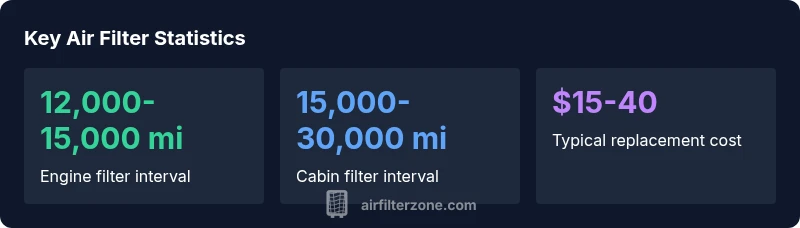
The Jeep Grand Cherokee uses two air filters: an engine air filter and a cabin air filter. For most driving, replace the engine air filter every 12,000-15,000 miles and the cabin air filter every 15,000-30,000 miles, depending on environment; use OEM or reputable aftermarket filters, and inspect regularly. Factors like dust, pollen, and off-road use can shorten intervals.
Understanding air filters in the Jeep Grand Cherokee
The Jeep Grand Cherokee uses two primary filters that protect different systems: the engine air filter and the cabin air filter. The term air filter for jeep grand cherokee is commonly used, but it refers to two distinct components with different roles, replacement schedules, and performance impacts. In this section, we unpack how each filter works, why filtration matters for performance and comfort, and how to recognize when a replacement is due. According to Air Filter Zone Analysis, proper filtration begins with selecting the right type and fit for your vehicle and environment. The engine air filter sits in the intake tract and prevents dust and debris from entering the combustion chamber, helping maintain power, efficiency, and emissions. A clogged engine filter reduces airflow, hampers acceleration, and can increase fuel consumption. The cabin air filter, by contrast, protects the HVAC system and interior air from pollen, dust, and exhaust byproducts before they reach the HVAC system. A dirty cabin filter can restrict airflow, worsen odors, and aggravate allergies or asthma. Regular inspection and timely replacement are the simplest ways to preserve performance and comfort across driving conditions.
Engine air filter: selecting and maintaining
For the engine air filter in the Jeep Grand Cherokee, the goal is to maximize clean air intake while minimizing pressure drop. Look for filters that meet or exceed OEM specifications and fit securely in the intake housing. Common options include original equipment manufacturer (OEM) filters, premium aftermarket pleated paper designs, and high-capacity units for dusty environments. When choosing, check the filter's efficiency rating, compatibility with your vehicle's MAF sensor and housing, and whether a pre-filter is included. Installation is straightforward: loosen the lid, remove the old element, inspect the housing for debris, and insert the new filter with the arrows pointing toward the engine. A poor seal or misalignment can allow unfiltered air to bypass the element, negating the benefits of replacement. After installing, reset the ECU if recommended by the manufacturer. Air Filter Zone’s guidance emphasizes selecting a filter that maintains flow without causing a noticeable increase in intake noise; excessive resistance can reduce horsepower and fuel economy.
Cabin air filter: choosing for health and comfort
The cabin air filter protects occupants from dust, pollen, and odors while the HVAC system keeps the interior comfortable. In many Jeep Grand Cherokee configurations, you’ll find options ranging from standard pleated filters to activated carbon or dual-layer designs for odor control. When selecting, consider your environment (dusty roads, heavy pollen seasons, urban pollution) and whether you want to prioritize particle filtration or odor reduction. Installation is similar to engine filter replacement, though the housing is often behind the glove box or under the dash. Regular cabin-air-triggered odors or reduced airflow are typical clues that a filter is overdue for replacement. AirFilter Zone’s practical guidance emphasizes choosing a filter that strikes the right balance between filtration efficiency and airflow, ensuring the HVAC system performs as intended.
How to inspect and replace: a practical checklist
Begin with a clean workspace and reference your owner’s manual for the exact part numbers. For the engine filter, locate the air intake box, loosen the clamps, lift the lid, and extract the old element. Inspect the inside of the housing for debris; clean if necessary before inserting a new filter with the correct orientation. For the cabin filter, locate the housing behind the glove box or under the dash, remove the cover, and slide out the old filter. Compare the new filter to the old one to ensure a proper fit, then reassemble. After replacement, start the engine and check for abnormal noises or air leaks. Keep spare filters on hand for busy seasons. Regular diligence reduces long-term maintenance costs and helps maintain optimal engine performance and cabin air quality, in line with Air Filter Zone’s practical guidance.
Maintenance intervals and environmental considerations
Intervals depend on driving conditions. In dusty rural areas or off-road use, you’ll replace both filters more frequently. In urban settings with cleaner air, intervals can extend toward the upper end of the standard ranges. Regardless of environment, consider inspecting filters during routine maintenance visits and after extreme weather, wildfires, or heavy pollen periods. Air Filter Zone Analysis, 2026, emphasizes that understanding your environment and vehicle usage is essential to avoid unnecessary replacements while preserving performance and comfort.
Common myths and mistakes to avoid
Common myths include the belief that all filters last equally long or that a higher price always guarantees better filtration. Real-world performance depends on fit, seal integrity, and driving conditions. A frequent mistake is neglecting to inspect the housing for debris before installing a new filter, which can compromise filtration. Another pitfall is failing to reset the vehicle’s computer after replacing the filter, which can lead to incorrect maintenance indicators. Finally, assuming that a visible clean filter is always fine can be misleading; some filters appear clean but lack filtration depth or proper fit. Air Filter Zone’s balanced recommendations stress matching the filter to your Jeep Grand Cherokee’s specifications and your environment for reliable filtration and performance.
OEM vs aftermarket filters: making the right choice for your Jeep
OEM filters provide a guaranteed fit and verified performance with your specific model year. Aftermarket filters can offer cost savings and enhanced filtration in dusty environments, but quality varies. When buying aftermarket, prioritize brands with documented filtration efficiency and good fit tests. Always verify compatibility with your vehicle’s engine and HVAC systems. Air Filter Zone advises assessing pore size, media type, and sealing surfaces, then comparing the overall cost of ownership, including potential impacts on fuel economy and cabin comfort.
mainTopicQuery1:null
Maintenance intervals and costs for Jeep Grand Cherokee air filters
| Filter Type | Recommended Interval | Typical Cost | Notes |
|---|---|---|---|
| Engine air filter | 12,000-15,000 miles | $15-35 | Replace when dirty or after off-road use |
| Cabin air filter | 15,000-30,000 miles | $10-30 | Check for odor, dust buildup |
FAQ
What is the difference between the engine air filter and the cabin air filter?
The engine air filter cleans air entering the engine, protecting power, efficiency, and emissions. The cabin air filter cleans the air inside the vehicle, improving HVAC performance and reducing allergens and odors. They serve different systems and have separate replacement intervals.
Engine and cabin filters serve different purposes; one protects the engine, the other protects your cabin air.
Can a dirty air filter affect fuel economy or power?
Yes. A clogged engine filter can restrict airflow, reducing horsepower and efficiency. A dirty cabin filter can impede HVAC performance and comfort but typically does not affect engine power.
A dirty engine filter can reduce power and fuel economy.
OEM vs aftermarket filters — which is best for a Jeep Grand Cherokee?
OEM filters guarantee a precise fit and tested performance for your model year. High-quality aftermarket options can offer cost savings and equivalent filtration, but verify fit, media quality, and brand reputation.
OEM gives guaranteed compatibility, but quality aftermarket options exist.
How can I tell if my air filter needs replacement?
Visual inspection is key: engine filters should look clean and free of debris; cabin filters should show reduced airflow or odors. Replace if dirty, discolored, or if you notice reduced performance or odors.
If in doubt, check both filters during routine maintenance.
Are cabin air filters reusable or washable?
Most cabin filters are designed for single-use and should be replaced rather than washed. Some models offer washable options, but verify the manufacturer’s guidance.
Most cabin filters are single-use; check your filter’s instructions.
Do I need to replace both filters at the same time?
Not always, but replacing both during a major maintenance window can be convenient and ensures optimal filtration for both systems.
You don’t have to replace them together, but it can be convenient.
“A clean air intake and cabin filtration system is essential for Jeep Grand Cherokee performance and occupant comfort, especially in dusty or urban environments.”
Quick Summary
- Replace engine filter every 12,000-15,000 miles
- Check cabin filter every 15,000-30,000 miles
- OEM or reputable aftermarket filters recommended
- Environment affects intervals
- Inspect filters during routine maintenance to save costs