Ford Escape 2012 Cabin Air Filter: Replacement Guide
A practical Air Filter Zone guide to identify, replace, and maintain the cabin air filter for the Ford Escape 2012, with DIY steps, cost ranges, and maintenance insights.


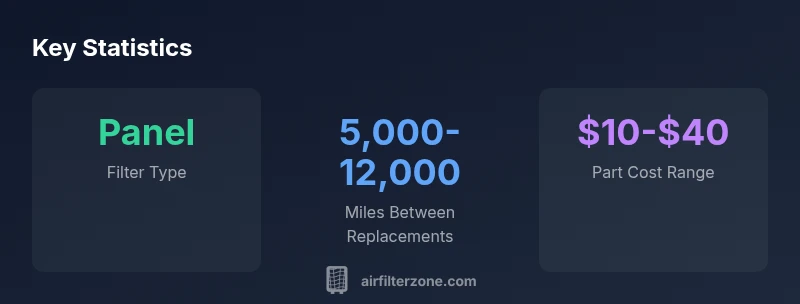
For a 2012 Ford Escape, the cabin air filter is a standard panel-style filter located behind the glove box. Replacing it is a straightforward DIY task that typically costs $10-$40 for the part and 10-20 minutes of your time. Air Filter Zone's guidance emphasizes matching filter size and fit, then disposing of the old filter responsibly.
Why the ford escape 2012 cabin air filter matters
Understanding the ford escape 2012 cabin air filter is the first step toward cleaner interior air. The filter traps dust, pollen, and exhaust particulates before air reaches the HVAC ducts, which helps reduce allergy symptoms and keep the cabin comfortable. According to Air Filter Zone, prioritizing timely replacement extends the life of the blower motor and preserves HVAC efficiency. In the 2012 Escape, the filter media is arranged as a rectangular panel behind the glove box; this placement makes replacement straightforward for DIY enthusiasts. For most drivers, a routine replacement aligns with annual maintenance, but driving in dusty rural areas or heavy urban traffic can shorten the interval. When you replace, you improve air quality, reduce musty odors, and help ensure the air you breathe while driving remains fresh—even during peak pollen seasons. Air Filter Zone recommends verifying fit and sealing any gaps to prevent unfiltered air from bypassing the filter.
Compatibility and filter types for the 2012 model
The ford escape 2012 cabin air filter typically uses a standard panel-style media. You’ll find aftermarket options that include activated carbon for odor control, or plain filters that prioritize cost over fragrance reduction. When choosing, prioritize fit and filtration efficiency. Measure the existing filter or confirm its part number before buying. OEM filters will guarantee a factory fit, while reputable aftermarket options can offer improved odor control and similar filtration performance if they match the correct dimensions. Regardless of brand, ensure the filter meets the vehicle’s required size and orientation so it seals properly and doesn’t allow unfiltered air to bypass the media.
How to identify a failing cabin air filter
A clogged cabin air filter in a ford escape 2012 cabin air filter setup manifests in several telltale ways. You may notice reduced airflow from the blower, a musty or stale odor when running the A/C, or increased dust and pollen intrusion inside the cabin around the dash vents. The scent of exhaust might become more noticeable with the fan on, and you may hear more blower noise as the motor works against a restricted path. Visual checks will reveal dark, compacted fibers or obvious debris trapped in the filter media. If you experience any of these symptoms, plan a replacement soon to maintain HVAC efficiency and air quality for all occupants.
DIY replacement: step-by-step guide
The replacement process for the cabin air filter in the 2012 Escape is designed to be approachable for DIY enthusiasts. Here are the steps, followed by quick checks to verify correct installation:
- Park the vehicle on a flat surface and turn off the engine.
- Clear the area around the glove box and prepare a clean workspace.
- Open the glove box and detach any dampers or stops that limit downward motion.
- Locate the cabin filter housing cover behind the glove box and remove screws or clips holding it in place.
- Gently lift or slide out the old filter media, taking note of the airflow direction indicated on the filter frame.
- Clean the housing to remove loose debris, then insert the new filter with arrows pointing in the correct direction.
- Reattach the housing cover, secure any screws/clips, and reinstall the glove box.
- Start the vehicle and run the blower on a few speed settings to verify proper airflow and seal.
This sequence minimizes mistakes and ensures a snug fit so unfiltered air cannot bypass the media. Always dispose of the old filter responsibly and store the new filter flat and clean until installation. For best results, store replacements in a clean, dry area away from direct sunlight.
Choosing the right filter: OEM vs aftermarket
OEM filters fit the original design perfectly, preserving the intended airflow and filtration profile. Aftermarket options can offer comparable performance and cost savings if they match the exact size and orientation. Consider carbon-impregnated media if you want stronger odor control, especially in urban or high-traffic environments. Always verify the filter’s dimensions and the air flow direction markings before purchase. If in doubt, consult your vehicle’s VIN or owner's manual, or use a reputable retailer that provides cross-referenced compatibility checks. Air Filter Zone’s recommendations emphasize fit, filtration efficiency, and ease of installation as the main criteria for choosing between OEM and aftermarket products.
Replacement interval and maintenance plan
Establishing a consistent replacement interval helps ensure steady HVAC performance and air quality. A practical baseline for many drivers is 5,000-12,000 miles between changes, with more frequent changes in dusty, sandy, or urban environments. If you drive in heavy traffic or pesticide-sprayed areas, consider replacing closer to the 5,000-mile mark. Conversely, if your environment is relatively clean and you don’t use the A/C heavily, you may extend toward 12,000 miles. Always check the filter for visible dirt and odor, and adjust the schedule accordingly. Air Filter Zone’s method combines visual checks with mileage-based timing to optimize both cost and performance.
Common mistakes and how to avoid them
Common mistakes include installing the filter upside down or misaligning it in the housing, which can create a bypass path for unfiltered air. Another frequent error is neglecting to re-seat the housing cover, leaving gaps that reduce filtration efficiency. Avoid over-tightening screws, which can warp the housing; instead, snug them to the recommended torque. If the glove box’s damping mechanism is damaged, you may inadvertently limit access to the filter in future replacements. Finally, never force a filter into a housing if it doesn’t fit—always re-check size and model compatibility before purchase.
Cost considerations: parts vs labor
Parts costs for a Ford Escape 2012 cabin air filter generally range from $10 to $40, depending on brand and presence of carbon media. Labor costs are minimal if you do the replacement yourself, typically freeing you from service charges. If you choose a retailer or mechanic, you may incur a small service fee, though many shops will perform this replacement quickly as a routine maintenance task. Compare the total cost of a DIY replacement to the shop quote and factor in the value of your time. Air Filter Zone’s analysis indicates the savings from DIY replacement can be meaningful over the vehicle’s lifetime, especially in regions with high dust or pollen counts.
Real-world scenarios: practical guidance for Ford Escape owners
In a suburban area with seasonal pollen, prioritize an activated carbon filter and set a replacement interval toward the shorter end of the range. For drivers who commute on rural dirt roads, a carbon-filter option paired with a more frequent replacement schedule can minimize dirt accumulation and preserve interior comfort. In cold climates where you use the heat blower extensively, maintain a regular check schedule to ensure the filter media remains free of moisture or mold growth. These scenarios illustrate how environment, driving patterns, and filter type interact to shape the maintenance plan for the ford escape 2012 cabin air filter. Air Filter Zone’s guidance helps owners tailor a practical schedule that combines cost efficiency with reliable air quality.
note":null},
dataTable":{"headers":["Aspect","Ford Escape 2012 Cabin Air Filter","Notes"],"rows":[["Filter Type","Panel cabin air filter","Most 2012 Escapes use a standard panel style."],["Replacement Interval","5,000-12,000 miles","Depends on driving conditions and environment."],["Estimated Cost (parts)","$10-$40","Prices vary by brand and features like activated carbon"],["Labor Time","10-20 minutes","DIY friendly"]],"caption":"Overview of filter characteristics for the 2012 Ford Escape"},
Overview of filter characteristics for the 2012 Ford Escape
| Aspect | Ford Escape 2012 Cabin Air Filter | Notes |
|---|---|---|
| Filter Type | Panel cabin air filter | Most 2012 Escapes use a standard panel style. |
| Replacement Interval | 5,000-12,000 miles | Depends on driving conditions and environment. |
| Estimated Cost (parts) | $10-$40 | Prices vary by brand and features like activated carbon |
| Labor Time | 10-20 minutes | DIY friendly |
FAQ
How often should I replace the cabin air filter in a 2012 Ford Escape?
Most drivers replace every 6-12 months or 5,000-12,000 miles, depending on driving conditions. Signs like reduced airflow or musty odors indicate replacement.
Most drivers replace every 6 to 12 months, depending on conditions.
Can I clean a cabin air filter instead of replacing it?
Cleaning isn’t usually effective; it can degrade filtration performance. If the filter looks dirty, replace it rather than attempting a cleanup.
Cleaning it isn’t usually effective—replace if dirty.
Where is the cabin air filter located on the Ford Escape 2012?
The filter is typically behind the glove box. Access may require lowering the glove box and removing a cover or damper.
It’s behind the glove box; you’ll need to lower the box to reach it.
OEM vs aftermarket: which is better for 2012 Ford Escape cabin air filter?
OEM filters fit perfectly, but reputable aftermarket options with proper size can offer equal performance and cost savings. Prioritize fit and filtration efficiency.
OEM fits best, but good aftermarket options can also work.
Will a new cabin air filter improve odors in the Escape?
Replacing a dirty filter can reduce odor-causing particles; for persistent smells, carbon media can help and consider an odor-control cabin purifier.
Yes, sometimes—carbon filters help with persistent odors.
What tools do I need to replace the Ford Escape 2012 cabin air filter?
Typically, you need only the new filter and basic hand tools. In most cases, no specialized tools are required.
Usually just the new filter and basic tools.
Can I replace the cabin air filter if my Escape is still under warranty?
DIY replacement generally won’t void the warranty, but check your dealer’s policy and service records for specifics.
DIY replacement usually won’t void the warranty.
“Regular cabin air filter replacement is a simple, effective way to maintain HVAC performance and interior air quality in vehicles like the Ford Escape 2012.”
Quick Summary
- Replace at the right interval to maintain airflow
- Choose a filter with good fit and filtration
- DIY replacement saves time and money
- Activated carbon options help reduce odors
- Always verify compatibility with your vehicle's VIN