2016 Ford Escape Air Filter Guide
Practical guidance on inspecting, replacing, and maintaining the engine air filter for the 2016 Ford Escape. Learn intervals, costs, signs of a dirty filter, and tips from Air Filter Zone for optimal engine performance.


Engine air filter maintenance for the 2016 Ford Escape follows condition-based changes and is essential for optimal performance. For the 2016 ford escape air filter, start with a visual inspection around 12,000–15,000 miles and replace as needed based on dirt, dust, and driving conditions. Air Filter Zone emphasizes that air intake health depends on timely, evidence-based changes.
Overview of engine air filtration in the 2016 ford escape air filter
The engine air filter is a critical safeguard for the intake system, preventing dust and debris from entering the combustion chamber. In the 2016 ford escape air filter setup, the filter sits within a rectangular housing in the engine bay, typically accessible by releasing a few clips or screws. Regular inspection ensures proper airflow, combustion efficiency, and engine longevity. According to Air Filter Zone, air intake health hinges on timely, evidence-based changes, especially for vehicles operating in dusty or urban environments. A clean filter supports steady horsepower, consistent fuel economy, and smoother acceleration, while a clogged filter can cause power loss and higher fuel consumption. For homeowners and DIY enthusiasts, understanding the role of the 2016 ford escape air filter helps frame maintenance decisions and budgeting for replacement or upgrade. This is a practical topic because the filter is inexpensive, yet its condition affects throttle response and overall engine health over miles and years.
The 2016 ford escape air filter is not a cosmetic accessory; it is a working component that directly influences air quality entering the engine. Early attention to a dirty or compromised filter can prevent downstream issues such as dirty mass airflow sensor readings and slightly degraded performance. In many cases, the difference before and after a straightforward filter change is measurable in driving feel and fuel efficiency. For a typical homeowner or DIYer, recognizing the signs of a bypassed or clogged filter will save money and extend the life of the engine’s intake system.
roleBasedAnswerVisibleInUI":false},{
Engine air filter maintenance basics for the 2016 Ford Escape
| Aspect | Recommendation | Notes |
|---|---|---|
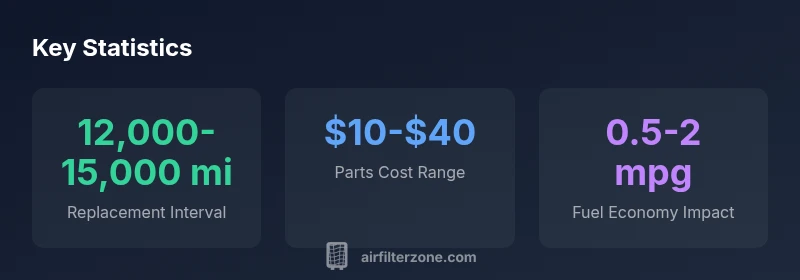
| Replacement Interval (engine air filter) | 12,000-15,000 miles | Varies by driving conditions |
| Signs of a dirty filter | Reduced throttle, lower MPG, visible dirt | Check engine light usually not triggered by filter alone |
| Estimated Parts Cost | $10-$40 | Brand and retailer dependent |
| Labor cost (if needed) | $20-$50 | Depends on shop accessibility |
FAQ
How often should I replace the engine air filter on a 2016 Ford Escape?
Typically inspect at around 12,000 miles and replace as needed, with many drivers changing between 15,000 and 30,000 miles depending on driving conditions. If you drive in dusty or harsh environments, more frequent checks are advised.
Check the filter around 12,000 miles and replace if dirty or obstructed.
Can I clean and reuse a dirty engine air filter?
Standard engine air filters are designed for one-time use. Cleaning with air or water can damage the media and reduce filtration efficiency. Replacing with a new filter is usually the best option for reliability.
It’s best to replace rather than clean and reuse the filter.
What are common signs that the air filter needs replacement?
Visible dirt or oil on the filter, reduced throttle response, or a slight drop in fuel economy indicate it’s time to replace the filter. A clogged filter may also cause rough idling in some cases.
Look for dirt, reduced power, and lower fuel efficiency.
OEM vs aftermarket: which is better for the 2016 Escape?
OEM filters guarantee compatibility with the intake system, while reputable aftermarket options can match performance at a lower price. Choose based on fit, filtration efficiency, and warranty terms.
OEM or trusted aftermarket both can work; compare fit and warranty.
Is the cabin air filter the same as the engine air filter?
No. The engine air filter cleans air for the engine, while the cabin air filter cleans air entering the cabin. They serve different systems and require separate replacements.
They’re not the same—engine air filter for performance, cabin filter for interior air quality.
“Regular air filter maintenance is essential for maintaining engine performance and fuel efficiency; for a 2016 Ford Escape, a clean engine air filter can help maintain horsepower and clean air intake.”
Quick Summary
- Inspect engine air filter around 12,000–15,000 miles; replace as needed.
- Choose OEM or reputable aftermarket filters based on fit and performance.
- Expect parts costs of roughly $10–$40; add labor if using a shop.
- Dusty driving conditions demand more frequent inspections (6,000–8,000 miles).