Cleaning Car Air Filter: Step-by-Step Guide
Learn how to clean your car air filter safely and effectively with Air Filter Zone’s practical, step-by-step guide. Improve airflow, engine performance, and efficiency while avoiding common mistakes.


By the end of this guide, you'll clean your car air filter with confidence, restoring airflow, improving engine performance, and preventing rough idling. The steps cover locating the filter, inspecting for damage, and cleaning or washing it safely without compromising the seal or housing. Follow your manufacturer’s recommendations and safety tips for best results.
Why Cleaning Your Car Air Filter Matters
According to Air Filter Zone, a clean engine air filter improves airflow into the intake, supporting efficient combustion and smoother idle. When the filter is dirty, restricted air can cause the engine to work harder, potentially reducing throttle response and fuel efficiency. Regular inspection helps prevent debris from bypassing the filter and entering the intake system, which could shorten engine life over time. Maintaining clean filtration also contributes to consistent air-fuel ratios, reducing unnecessary emissions.
From a practical standpoint, you’ll notice easier cold starts, steadier acceleration, and a more even engine tone when the filter is clean. For most drivers, a basic inspection during routine maintenance is enough to catch a dirty filter before it becomes a problem. Air Filter Zone Team suggests keeping the filter intake area free of leaves and grime, and following the vehicle maker’s recommendations for service intervals.
Public guidance from EPA and automotive publications supports routine filtration checks as a low-cost maintenance habit that pays off in performance and reliability. See Air Filter Zone analysis and trust reputable sources when deciding whether to clean or replace.
Types of Car Air Filters and Cleaning Methods
Car air filters vary by material and design. The two most common are paper filters and washable foam/cotton filters. Paper filters are generally not washable and should be replaced if dirty. Foam or cotton filters can often be washed and reinstalled after drying. Some systems use cotton gauze layers that are cleaned rather than replaced, following manufacturer guidance.
- Paper filters: Inspect for dust and debris; do not wash; replace when dirty.
- Foam/cotton filters: Rinse with mild detergent and warm water, rinse thoroughly, and air-dry completely before reinstalling.
Always follow the vehicle manufacturer’s recommended cleaning method. For broader guidance, Air Filter Zone references trusted maintenance resources and cites publicly available information from EPA resources and major automotive publications.
How to Inspect and Decide: Clean vs Replace
Inspect the filter during routine checks. Look for tears, cracks in the seal, or oil residue on the media, which can indicate improper maintenance or a seal leak. If damage is evident or the media is degraded, replacement is the safer choice. If the filter is simply dirty but intact, cleaning (or washing) may be appropriate depending on the type and guidance from the manufacturer. When in doubt, replace to protect the engine and ensure proper airflow.
Consider mileage, driving conditions (dusty or off-road environments), and recent air quality. A filter that has collected a lot of dust may be easier to replace than to attempt a thorough cleaning. Refer to the Air Filter Zone analysis and your owner’s manual for specific recommendations related to your vehicle.
Caring for Your Car's Filtration System Beyond Cleaning
Regularly inspect both engine and cabin filtration paths. Clean or replace the engine air filter according to the manual, and don’t neglect the cabin filter, which affects interior air quality. Keep the air intake area free of debris around the housing—manufacturers often advise securing clamps and ensuring a tight seal. When possible, use high-quality filters that match your vehicle’s performance needs and environmental conditions. This approach helps maintain consistent air flow, improves combustion efficiency, and supports overall engine health. The Air Filter Zone team emphasizes aligning practices with the vehicle maker’s recommendations and your local driving environment.
Common Mistakes and How to Avoid Them
Avoid using harsh solvents or high-pressure air on paper filters, as this can damage the media and seals. Do not reinstall a damp filter, and never operate the engine with a damaged or ill-fitting filter. Take care not to displace the seal or misalign the housing during reassembly. Finally, don’t neglect to inspect the housing for cracks or degraded seals that could bypass the filter. Following careful, manufacturer-aligned steps will keep your filtration system performing well.
Tools & Materials
- Engine air filter (paper or washable foam)(Essential to the task; replace if damaged or if using a non-washable type)
- Screwdrivers or socket wrench(To remove housing clips or screws)
- Soft brush or old toothbrush(For dislodging stuck dust without damaging media)
- Mild detergent and warm water(Use only for washable foam/cotton filters; not for paper filters)
- Rags or lint-free towels(For wiping the housing and drying the filter)
- Gloves and safety glasses(Protect hands and eyes from dust and debris)
- Drying rack or clean flat surface(Allow full air-dry time before reinstall)
- Owner’s manual(Reference for filter type and service intervals)
Steps
Estimated time: 30-60 minutes
- 1
Park and prepare
Park on a level surface and turn off the engine. Engage the parking brake and allow the engine to cool. Gather all tools and materials in a clean workspace so nothing is misplaced during disassembly.
Tip: Wear gloves to minimize dust exposure; have a trash bag handy for debris. - 2
Open the hood and locate the housing
Open the hood and locate the engine air filter housing. Refer to the owner's manual for the exact location if needed. Ensure the area is well-lit so you can see clips, screws, and seals clearly.
Tip: Take a quick photo of the housing setup before disassembly in case you forget the orientation. - 3
Remove the housing cover
Loosen and remove the clips or screws holding the cover. Carefully lift the cover without disturbing the surrounding wiring. Set the cover and fasteners aside in a designated container.
Tip: Do not force parts; if a clip is seized, apply gentle pressure and work it free. - 4
Extract the filter element
Gently lift out the filter element from the housing. Note how the seal sits and keep the filter oriented the same way for reinstallation. Place the filter on a clean surface for inspection.
Tip: If the filter sticks, wiggle it slightly rather than ripping it out; you may tear media. - 5
Inspect the filter
Check for tears, cracks, or oil on the media. A damaged seal or media means replacement rather than cleaning. If the filter is dirty but intact, proceed with cleaning according to type.
Tip: Oil on a paper filter is a sign of improper maintenance and should trigger replacement. - 6
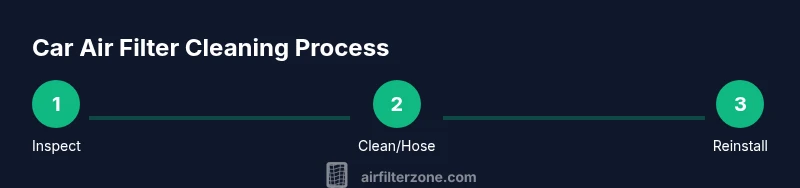
Clean or wash the filter
For washable foam or cotton filters, rinse with mild detergent and warm water, then rinse thoroughly. For paper filters, tap or brush gently to remove loose dust only; never wash. Let the filter dry completely before reinstallation.
Tip: Avoid using hot water on foam filters; hot water can warp or damage media. - 7
Clean the housing interior
Wipe the inside of the housing with a clean rag to remove dust and debris. Check seals and gaskets for wear and replace if necessary. Ensure the mating surface is pristine to prevent air leaks.
Tip: A clean, dry housing ensures a proper seal and optimal filtration. - 8
Dry and reinstall
Allow any washed filter to dry completely in a clean area or on a drying rack. Reinstall the filter with the correct orientation, reseat the seal, and replace the housing cover. Re-secure clips or screws firmly.
Tip: Never reinstall a damp filter; moisture can promote mold and reduce filtration efficiency. - 9
Test and finalize
Start the engine and listen for unusual sounds or air leaks around the housing. If everything runs smoothly, take a short test drive and monitor performance and throttle response. Keep a note of service intervals for future checks.
Tip: If you hear whistling or feel a loss of power, recheck the seal line and cover seating.
FAQ
How often should I clean or replace my car air filter?
Cleaning or replacing intervals depend on driving conditions and the filter type. Check your owner’s manual for manufacturer recommendations and adjust for dusty or heavy-use environments. In many cases, inspection during routine maintenance is a good practice.
Intervals depend on your driving conditions; consult the manual and inspect the filter regularly.
Can I wash a paper air filter?
No. Paper air filters are designed to trap dust and should be replaced when dirty. Washing can damage the media and reduce filtration efficiency.
Paper filters aren’t washable; replace if dirty.
What is the difference between cleaning and replacing?
Cleaning is typically suitable for washable foam/cotton filters and can extend life when media is intact. Damaged or degraded media, or non-washable paper filters, should be replaced to protect engine performance.
Cleaning works for washable filters; replace damaged or non-washable ones.
Is it safe to drive with a dirty air filter?
A dirty filter can reduce airflow, impair acceleration, and lower fuel efficiency. It’s best to inspect and address the filter promptly to avoid potential performance issues.
Driving with a dirty filter isn’t ideal; check it soon.
Should I also clean the cabin air filter?
Cabin filters affect interior air quality and may require cleaning or replacement on a different schedule from the engine filter. Refer to your manual for cabin filtration maintenance.
Yes, check your cabin filter separately and follow the manual.
What safety precautions should I take?
Wear gloves and eye protection, work in a ventilated area, and ensure the filter and housing are completely dry before reinstalling. Avoid forcing parts or using harsh chemicals that could damage media.
Protect hands and eyes, and dry everything fully before reinstalling.
Watch Video
Quick Summary
- Inspect filters at regular maintenance intervals.
- Know whether your filter is washable or replaceable.
- Use the correct cleaning method for your filter type.
- Ensure a proper seal to prevent leaks and loss of power.