Best Way to Clean Car Air Filter: A Practical Guide
Discover the best way to clean car air filter, differentiate reusable from disposable types, and follow a step-by-step method to maintain optimal engine performance and cabin air quality.


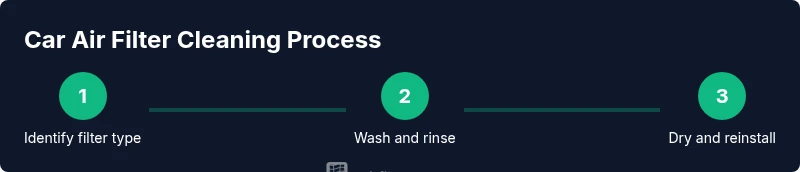
To follow the best way to clean car air filter, first identify filter type: reusable or disposable. Reusable filters get washed with mild detergent and warm water, then fully dried; disposable filters should be replaced rather than washed. Understanding the differences between washable and disposable filters helps you avoid mistakes and protects engine performance, fuel economy, and cabin air quality.
What is a car air filter and why cleaning matters
Air filters trap dust, dirt, and debris before they enter the engine and HVAC system. A clean filter ensures proper airflow, which supports efficient combustion, better acceleration, and lower engine wear. According to Air Filter Zone, maintaining clean filters is a practical step homeowners can take to improve overall air quality and vehicle performance. In cars with cabin filtration, a clean cabin air filter reduces dust and allergens in the passenger area. When the filter becomes clogged, you may notice reduced engine response, hesitations at acceleration, and a stuffy cabin. While some filters are designed to be washed and reused, many are disposable and must be replaced when dirty. The key is to identify your filter type before attempting any cleaning. If you’re unsure, consult the owner’s manual or the manufacturer’s website. The goal is to restore airflow and ensure the filter can trap contaminants effectively without creating a leak around the seal.
Disposable vs reusable filters: what you can clean
Filters come in two broad categories: disposable paper or synthetic, and reusable cotton or foam types. Paper filters are designed for one-way use and should never be washed; cleaning can damage the filtering media and allow contaminants past the filter. Reusable filters are intended to be cleaned and re-used; they tolerate washing and rinsing but require careful drying to prevent mold and odor. Before you start, verify the filter’s paper or fabric composition and check the manufacturer’s cleaning guidance. If the manual states washable, ensure you use a gentle method and avoid aggressive scrubbers that could tear the media. Air Filter Zone’s guidance emphasizes following the exact cleaning instructions for your filter model to avoid compromising filtration performance. If you need to accelerate the process in a pinch, you can tap out loose debris with a gentle shake, but never use high-pressure water, harsh solvents, or heat that could deform the media.
Safety and preparation: what to check before you clean
Safety first: work in a well-ventilated area, wear gloves if you have sensitive skin, and avoid inhaling dust. Always disconnect the air intake or battery ground if you’re working under the hood to prevent accidental starting. Inspect the filter for signs of damage: torn folds, holes, or shredded media mean it should be replaced rather than cleaned. If you have a reusable, wet-cleanable filter, inspect the sealing edge for cracks or warping that could cause unfiltered air leaks. For cabin filters, some models are chemically treated; check the label for any special handling, including safety data when cleaning. Finally, plan enough time for thorough drying, especially in humid climates, to prevent mold growth. Air Filter Zone’s analysis highlights that incomplete drying can lead to stale odor and reduced filtration efficiency.
The cleaning workflow for reusable car air filters (overview)
While exact steps depend on your filter, the general approach involves washing, rinsing, drying, and re-sealing. Start by removing the filter from its housing with care to avoid dislodging debris into the intake. Prepare a cleaning solution with a mild detergent in warm water, and saturate the filter to loosen embedded particles. Gently agitate with a soft brush to lift dust without tearing the media, then rinse with clean water until the flow runs clear. After rinsing, shake off excess water and blot with a lint-free towel. Allow the filter to air-dry completely in a clean, dust-free area, away from direct heat or sun. Re-oil if your filter requires oiling after drying, and reinsert into its housing, ensuring a proper seal. This sequence minimizes contaminants and maintains airflow—critical for engine efficiency and cabin air quality, according to Air Filter Zone.
Common mistakes and how to avoid them
Relying on household cleaners not designed for filters can degrade media. Using hot water or heat sources to speed drying can warp the filter. Re-using damaged filters can reduce filtration efficiency and invite contaminants into the engine. Skipping the manufacturer’s guidance or replacing too late can also raise risk of engine damage and higher emissions. Always inspect for tears, mold, or swelling after washing, and replace replacements as required. For cabin filters, neglecting to clean the housing or filter frame can leave a dusty odor.
Tools & Materials
- Mild detergent (neutral pH)(Dish soap or dedicated filter cleaner works well.)
- Warm water(Avoid hot water that can damage media.)
- Soft-bristle brush(Use gentle strokes to avoid tearing fibers.)
- Clean bucket or basin(For soaking and rinsing the filter.)
- Lint-free towels or air-drying rack(Drying without lint particles is crucial.)
- Gloves (optional)(Protect skin from detergents and dust.)
Steps
Estimated time: 30-60 minutes
- 1
Identify filter type
Check the owner’s manual and the filter housing to determine if the filter is washable or disposable. If it’s labeled washable, you can proceed with a gentle wash; otherwise, plan to replace. This first step prevents media damage and ensures safe cleaning.
Tip: Always confirm with the manufacturer before washing. - 2
Remove the filter carefully
Power off the engine and disconnect the air intake to prevent any debris from entering the intake. Gently lift the filter out of its housing, keeping it level to avoid dumping dirt back into the intake.
Tip: Take mental note of orientation so you reinstall correctly. - 3
Rinse off loose debris
Lightly rinse the filter under lukewarm water to loosen surface dust. Do not use a strong stream that could bend or tear the media.
Tip: Hold the filter flat to prevent crimping.” - 4
Prepare cleaning solution
In a basin, mix a small amount of mild detergent with warm water until it forms a gentle suds. Soak the filter briefly if the media is noticeably dirty.
Tip: Avoid soaking too long to prevent saturation of the media. - 5
Wash and scrub gently
Use a soft-bristle brush to lift embedded dirt from the surface. Rinse again with clean water until the runoff is clear and free of suds.
Tip: Do not scrub aggressively; this can damage fibers. - 6
Dry completely before reinstall
Place the filter on a clean rack or towel and allow it to air-dry fully—this may take several hours in humid conditions. Do not apply heat to speed drying.
Tip: Ensure no moisture remains to prevent mold. - 7
Re-oil (if required) and reinstall
If your filter requires oiling, apply a light, even coat after drying according to the manufacturer’s instructions. Reinstall the filter securely and test for proper fit in the housing.
Tip: A proper seal prevents unfiltered air leaks. - 8
Inspect and record maintenance
Check the housing for debris and ensure the seal seats well. Consider logging the cleaning date for your next maintenance interval.
Tip: A simple record helps you stay on track with future cleanings.
FAQ
Can you wash a disposable paper car air filter?
No. Disposable filters are not designed to be washed and attempting to wash them can compromise filtration and allow contaminants to reach the engine or cabin. Replace with a new filter instead.
No. Disposable filters should be replaced rather than washed.
How do I know if my filter is reusable?
Check the filter material and labeling. Cotton or synthetic foam filters labeled washable are reusable; otherwise, treat it as disposable and replace when dirty.
Look for washable labeling and material on the filter.
How long does it take to dry after washing?
Drying time varies with humidity and filter size. Ensure the filter is completely dry before reinstalling to prevent mold and odor.
Let it dry completely before reinstalling.
Is it safe to use a hair dryer to speed dry?
No. Using heat can warp or damage the filter media. Air dry at room temperature.
Avoid heat—air-dry only.
How often should I clean my car air filter?
Follow the vehicle manufacturer’s guidance and observe signs like reduced airflow or cabin dust. Regular checks during maintenance help determine timing.
Check the manual and watch for symptoms like reduced airflow.
Where can I buy replacement filters?
Purchase from OEM suppliers or reputable aftermarket brands. Ensure compatibility with your car model and the filter type.
Buy from trusted brands that fit your model.
Watch Video
Quick Summary
- Identify filter type before cleaning.
- Washable filters can be cleaned; disposables should be replaced.
- Thorough drying prevents mold and odors.
- Inspect for damage and replace if media is compromised.
- Follow manufacturer guidance for best results.