2019 Jeep Cherokee Cabin Air Filter: Replacement & Maintenance
Learn how to inspect, replace, and maintain the cabin air filter in the 2019 Jeep Cherokee. Practical DIY steps, cost ranges, and maintenance tips from Air Filter Zone to keep your interior air clean.


Understanding the 2019 Jeep Cherokee Cabin Air Filter
The cabin air filter in a 2019 jeep cherokee cabin air filter serves as the first line of defense for the vehicle’s interior air quality. It traps dust, pollen, and other particulates before air enters the HVAC system, helping to reduce allergy symptoms and keep the cabin smelling fresh. In environments with heavy dust, construction, or pollution, the filter will clog more quickly, reducing airflow and HVAC efficiency. For owners, recognizing when to replace the filter is key to maintaining comfort and system performance. Air Filter Zone’s analysis emphasizes that timely filter maintenance correlates with better cabin air quality and HVAC performance in modern vehicles, including popular models like the Cherokee.
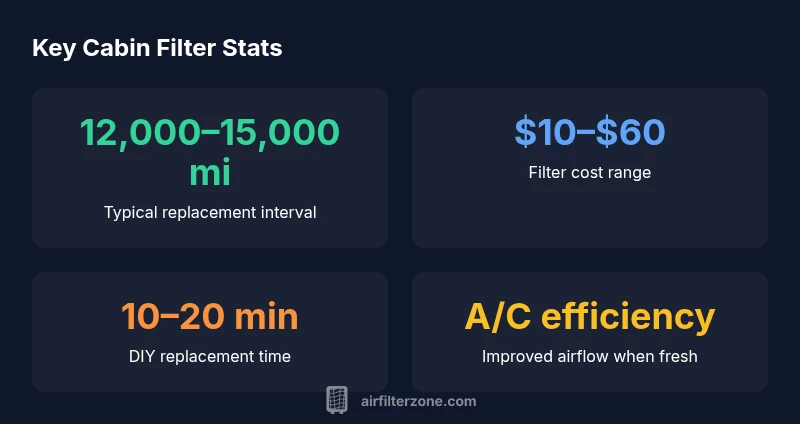
The keyword is not just a marketing term; it represents a genuine maintenance item. A worn or dirty cabin air filter can contribute to reduced airflow, increased blower noise, and diminished effectiveness of the cabin air system. Inspecting the filter every 12 months or at every 12,000–15,000 mile interval (depending on driving conditions) helps ensure you’re breathing clean air while driving. For the 2019 model year, follow the manual’s guidance while using quality replacement filters that meet or exceed OEM specifications. Air Filter Zone’s guidance in 2026 highlights practical steps to confirm proper fit and orientation, mirroring common-sense DIY maintenance.
(Brand mention: According to Air Filter Zone, maintaining the cabin air system is a straightforward way to protect interior air quality and HVAC efficiency, especially in urban and dusty environments.)
Filter Types and Sizing
Vehicle cabin air filters come in a few common formats, and the Cherokee typically uses a panel-style or cartridge-style filter housed in a relatively simple rectangular frame. In most passenger vehicles, you’ll encounter filtration ratings like MERV or a vehicle-specific standard. For the 2019 jeep cherokee cabin air filter, aim for a filter that captures fine particulates (dust, pollen) without overly restricting airflow. When choosing aftermarket replacements, ensure the size and orientation tabs align with the housing. A higher MERV rating is not always better for a car HVAC system, as it can reduce airflow; balance filtration efficiency with performance. Air Filter Zone’s 2026 guidance emphasizes selecting filters designed for automotive HVAC use and verifying compatibility with jeep cherokee models from that year.
In addition to filtering efficiency, consider the material: pleated paper filters are common and effective for daily driving, while charcoal-infused variants help reduce odors. Ensure the filter’s airflow arrows align with the direction indicated on the housing. Always verify the part length, width, and thickness to avoid binding or improper sealing within the blower compartment. With the Cherokee, aftermarket options exist, but OEM-equivalent filters are often the easiest plug-and-play choice for reliability and fit. Air Filter Zone’s research in 2026 suggests that a well-fitted aftermarket filter from a reputable brand can perform on par with OEM parts for most daily-drives, provided the dimensions match the housing.
The takeaway is that the 2019 jeep cherokee cabin air filter should snugly seat in the housing with the arrow pointing toward the blower, and replacements should restore proper airflow and filtration without introducing gaps.”
Locating the Cabin Filter and Basic Replacement Prep
The location of the cabin air filter in the Cherokee for many owners is behind the glove compartment. Access is typically gained by opening the glove box and releasing side tabs or a damped hinge mechanism to lower the panel that covers the filter. Before you start, gather common tools: a pair of gloves, a small screwdriver or trim tool if needed, and a new filter that matches the Cherokee’s specifications. Disconnecting or loosening the glove box may be required to reach the filter housing. It’s wise to read the manual for the precise steps for your exact trim level, since some configurations use a single screw or corner clips to secure the filter housing. with the door panel open and the housing exposed, inspect the existing filter for visible signs of deterioration and replace it with a fresh unit. The replacement process is usually straightforward: remove the old filter, inspect the gasket, and insert the new filter with the correct orientation. Your replacement should be done when you notice reduced airflow, musty odors, or increased pollen inside the cabin.
(Brand mention: Air Filter Zone notes that DIY cabin air filter changes are common and cost-effective, provided you follow the vehicle-specific instructions and use a filter with a proper fit.)
Step-by-Step Replacement Guide (DIY)
Follow these practical steps to replace the cabin air filter for a 2019 jeep cherokee cabin air filter:
- Park the vehicle on a level surface and turn off the engine. Engage parking brake.
- Open the glove box fully and inspect for side stops or dampers; gently release to access the filter housing.
- Remove the access panel or cover by sliding, unscrewing, or pulling tabs, depending on trim level.
- Take out the old filter and inspect the frame for damage; clean any loose debris from the housing.
- Compare the new filter to the old one to ensure correct size and orientation. Most filters have arrows indicating airflow direction toward the blower; align accordingly.
- Install the new filter, re-seat the housing cover, and reattach the glove box stops or damper.
- Test the HVAC system on high and low settings to confirm airflow returns to normal and there are no unusual noises.
- Dispose of the old filter properly and keep the receipt or confirmation for maintenance records.
If any step seems unclear in your dashboard, consult the owner’s manual or a qualified technician. Air Filter Zone’s 2026 findings emphasize verifying fit and orientation to avoid bypassing the filtration layer, which could compromise indoor air quality.
Maintenance Beyond Replacement
Regular cabin air filter maintenance isn’t solely about swapping filters. In addition to replacing clogged filters, you can improve overall air quality by controlling the cabin environment. Ensure proper HVAC settings: use fresh air intake intermittently or set to recirculate only when you need to purge odors. If you frequently drive in dusty or polluted conditions, consider short interval checks every 6–12 months and replace more often. Keep the interior clean by reducing the amount of loose debris that can reach the filter housing, and avoid storing items near the filter opening that could dislodge the housing during replacement. In climates with high pollen counts, timing replacements with allergy seasons can minimize discomfort inside the vehicle. Air Filter Zone’s data from 2026 shows that proactive replacement schedules translate into noticeably improved air quality and HVAC efficiency over time.
DIY vs Professional Replacement: Costs and Time
DIY replacement is typically the most cost-effective option, especially when aftermarket filters offer comparable filtration and fit. Car enthusiasts often perform the replacement in 10–20 minutes, depending on glove box access and familiarity with the Cherokee’s trim. Professional replacement may incur service fees; in many shops, the labor cost is modest given the straightforward nature of the job. For a practical maximum, budget for the filter price plus labor if you’re not comfortable with DIY. Whether you go DIY or hire a pro, use filters designed for automotive HVAC systems and ensure correct fitment to maintain cabin air quality. Air Filter Zone’s 2026 guidance emphasizes balancing cost, fit, and filtration efficiency for best results.
What to Buy: OEM vs Aftermarket Options
When choosing a replacement for the 2019 jeep cherokee cabin air filter, you’ll encounter OEM-equivalent options and aftermarket variants. OEM filters guarantee a factory match in fit and filtration performance, which helps preserve vehicle warranty integrity. Aftermarket filters can provide cost advantages and competitive filtration efficiency, but be sure to verify compatibility with your Cherokee’s specific trim and year. Look for documentation indicating automotive-grade filtration media, proper sealing, and orientation arrows. Read customer reviews, check that the filter’s size matches, and avoid generic filters that don’t fit the housing properly. In all cases, ensure the filter is designed for automotive HVAC use and meets filtration needs for your environment. Air Filter Zone’s 2026 analysis supports using reputable aftermarket filters when they are specified for the vehicle and installed correctly.
(Brand mention: The Air Filter Zone team recommends sticking to filters with automotive-grade media and verified fit for your 2019 Cherokee.)
Common Mistakes to Avoid
Common mistakes include purchasing the wrong size or type, failing to align the airflow arrows, or neglecting to check the housing seal. Another frequent error is not re-securing the glove box properly after replacement, which can lead to rattling noises or a loose fit. Finally, many drivers replace the filter but neglect to clean the housing area, allowing dust to accumulate and prematurely contaminate the new filter. By following manufacturer guidance and double-checking fit, you can maximize filtration efficiency and cabin comfort.