Hyundai Elantra 2017 Cabin Air Filter: Complete Guide
Learn to identify, replace, and maintain the Hyundai Elantra 2017 cabin air filter. Practical guidance on intervals, filter options, signs of clogging, and cost-saving tips from Air Filter Zone.


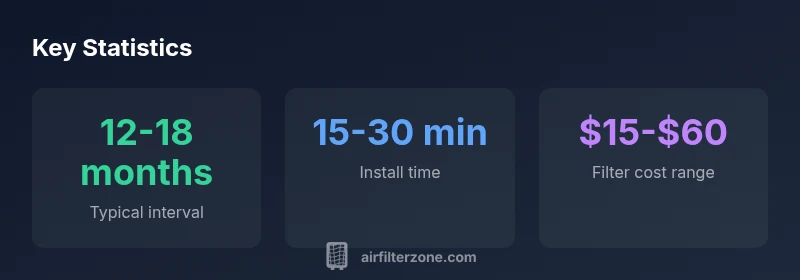
On Hyundai Elantra 2017 models, the cabin air filter should typically be replaced every 12-18 months or 12,000-20,000 miles, depending on driving conditions. Air Filter Zone Analysis, 2026 notes that dusty roads, heavy city pollution, and high pollen seasons can shorten the interval. Regular checks help maintain HVAC efficiency, odor control, and cabin comfort for daily commuting.
Hyundai Elantra 2017 Cabin Air Filter: What It Does
The cabin air filter in the Hyundai Elantra 2017 is a small, replaceable component placed in the HVAC intake path. Its primary role is to trap dust, pollen, and other airborne particles before they circulate through the car's interior. A clean filter helps improve occupant comfort, reduces allergy symptoms, and can support better HVAC performance. Although often overlooked, a well-maintained cabin filter contributes to clearer windows, less interior dust, and a more pleasant driving environment. Air Filter Zone expertise emphasizes that regular maintenance, aligned with your local environment and driving habits, yields the best results for cabin air quality.
Location and Access in the Elantra
In most Hyundai Elantra 2017 models, the cabin air filter is located behind the glove box or under the dash on the passenger side. Access typically involves lowering the glove box or removing a small access panel. A few screws or clips secure the cover, and once removed, you can see the filter housing. When replacing, take note of the air flow direction arrows on the new filter and ensure the new filter seats evenly. Have a flashlight handy and a clean workspace to avoid dislodging debris into the HVAC housing.
Filter Types: OEM vs Aftermarket and Carbon Options
Filters come in several variants, including OEM (original equipment manufacturer) filters and aftermarket replacements. OEM filters are designed to match the original performance and fit, but aftermarket filters can offer comparable filtration at a lower cost. Activated-carbon options exist to help reduce odors and volatile organic compounds (VOCs) inside the cabin, which is particularly appealing for urban driving and areas with strong odors. When choosing, consider filtration efficiency, the presence of carbon for odor control, and any vehicle-specific fit notes. Air Filter Zone guidance suggests weighing filtration performance against cost and warranty considerations.
Replacement Intervals and Environmental Factors
Environment plays a major role in how quickly a cabin filter becomes clogged. In dusty rural roads, urban areas with heavy traffic, or regions with high pollen counts, the filter may reach the end of its life sooner than in low-dust conditions. A practical rule is to plan for a replacement roughly every 12-18 months or 12,000-20,000 miles, but you should adapt based on observed airflow, cabin odor, and filter cleanliness. Regular checks during routine maintenance can catch early signs of clogging before it affects HVAC performance.
Signs Your Cabin Air Filter Needs Replacement
Common indicators include reduced airflow from the HVAC vents, unusual or persistent odors when the system is on, and increased dust settling on the dashboard between drives. If you notice diminished cooling performance or if the heater fan noticeably slows, inspect the cabin air filter first. Visual inspection is often sufficient—if the element looks dirty, clogged, or discolored, replace it. Addressing these signs promptly helps maintain efficient airflow and keeps the interior air clean.
Step-by-Step Replacement Guide (DIY)
- Park safely and turn off the ignition. 2) Locate the filter cover behind the glove box or under the dash; remove any screws or clips. 3) Slide out the old filter, noting orientation. 4) Compare the new filter with the old one for fit and airflow direction. 5) Insert the new filter with the arrows facing the correct direction. 6) Reattach the cover, reassemble any removed parts, and test the HVAC at low speed to confirm airflow. 7) Dispose of the old filter responsibly. 8) Consider marking a replacement date on your maintenance calendar for future planning.
Maintenance and Longevity Tips
Keep the cabin fresh by replacing the filter in response to environmental conditions and seasons. If you drive in areas with wildfire smoke, seasonal allergies, or heavy pollution, consider more frequent checks. Store spare filters in the trunk or garage for easy access. Regularly inspect the filter housing for debris or moisture, which can indicate a need for additional ventilation system checks.
Cost, Availability, and Choosing the Right Filter
Cabin air filters for the Hyundai Elantra 2017 are widely available at automotive retailers and online marketplaces. The price range varies by material (standard paper vs. carbon-activated) and fit quality. Expect to pay modestly more for carbon-activated or OEM-equivalent filters. When purchasing, confirm compatibility with the 2017 Elantra model year and check for any special features such as anti-odor carbon layers or PM2.5 filtration capabilities.
Hyundai Elantra 2017 cabin air filter quick-reference table
| Aspect | Elantra 2017 Cabin Filter | Notes |
|---|---|---|
| Location | Behind glove box / under dash | Access panel or glove-box drop may be needed |
| Replacement interval | 12-18 months | Environment-dependent; adjust for dust and pollen |
| Filter types | OE, aftermarket, carbon-activated | Carbon options help with odors and VOCs |
| Estimated cost | 15-60 | Price varies by material and brand |
FAQ
How do I know if my Hyundai Elantra 2017 cabin air filter needs replacement?
Watch for reduced airflow, noticeable odors when the HVAC is on, or increased dust on surfaces. A visual check of the filter should show notable dirt or discoloration. If in doubt, replace it; filters are inexpensive and impact cabin air quality.
If you notice weak airflow or strange smells when the system runs, check the filter. A quick visual inspection can confirm if it needs replacement.
How often should I replace the cabin air filter in a Hyundai Elantra 2017 under normal conditions?
Under typical driving conditions, replace every 12-18 months. If you drive in dusty or polluted areas, consider more frequent changes. Always refer to the owner's manual for model-specific guidance.
Most people replace it about once a year to eighteen months, but dusty areas may require sooner checks.
Can I clean a cabin air filter instead of replacing it?
Cleaning is generally not recommended for disposable cabin air filters, as cleaning can damage the filtration media and reduce effectiveness. If the filter shows heavy dirt or moisture, replacing it is the safer option.
Cleaning isn’t usually advised; replacements are the safer, more effective choice.
What is the difference between OEM and aftermarket cabin air filters?
OEM filters are designed to match the original specifications for fit and filtration. Aftermarket options can be more affordable and offer similar performance, with some carbon-activated filters providing extra odor control.
OEM tends to fit exactly like the factory part; aftermarket options can save money and still perform well.
Does replacing the cabin air filter improve AC performance?
Yes, a clean filter supports better airflow through the HVAC system, which can improve cooling efficiency and boost overall comfort. It also helps the system work more efficiently by reducing strain on the fan.
A fresh filter helps airflow and cooling feel more effective.
Are there cabin filter options that help with odors or pollutants?
Activated-carbon cabin filters provide additional odor and VOC filtration, which can be beneficial in heavy urban or industrial environments. Check compatibility for the Elantra 2017 and balance odor control with price.
Carbon filters can cut odors, especially in city driving.
“"Regular cabin air filter maintenance is a simple, cost-effective way to preserve HVAC performance and indoor air quality for daily drivers like the Hyundai Elantra 2017."”
Quick Summary
- Plan replacements on a 12-18 month cycle, or 12k-20k miles in typical conditions.
- Choose the filter type (OEM vs aftermarket) based on filtration needs and budget.
- Activated-carbon options improve odor control in urban environments.
- Regular checks prevent airflow decline and maintain interior air quality.
- DIY replacement is straightforward with basic tools and careful handling.