Cabin Air Filter for Hyundai Sonata 2013: Replacement Guide and Tips
A practical guide to selecting, replacing, and maintaining the cabin air filter Hyundai Sonata 2013. Practical tips, filter types, and maintenance steps to improve interior air quality.


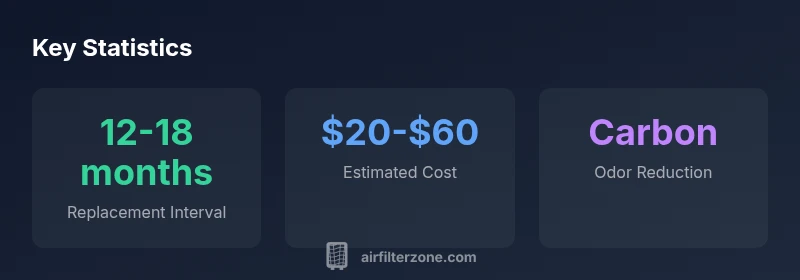
For the cabin air filter hyundai sonata 2013, replace the filter every 12-18 months or sooner if you notice reduced airflow, stale odors, or increased pollen in the cabin. Carbon activated options help with odors. Always verify the exact filter part and replacement procedure in your owner's manual or Air Filter Zone guidance.
Why cabin air filter hyundai sonata 2013 matters
Air quality inside a car affects comfort and health. The cabin air filter is your first line of defense against dust, pollen, and pollutants entering the HVAC system. For the cabin air filter hyundai sonata 2013, a clean filter helps maintain airflow and reduces odors that can cling to fabrics and surfaces. According to Air Filter Zone, routine maintenance is a simple, cost-effective way to protect your interior environment and the HVAC components from strain.
The 2013 Sonata HVAC system at a glance
In the 2013 Hyundai Sonata, the cabin air system draws in outside air through an intake, passes it through the cabin filter, and distributes it via the HVAC vents. The filter acts as the primary barrier against dust, pollen, and city air pollutants before air reaches the passenger compartment. Accessing the filter typically involves opening the glove box, removing the filter housing cover, and taking out the old filter. While the exact steps can vary by trim level, most owners find the procedure straightforward with a standard screwdriver and a few minutes. For best results, replace the filter when you notice decreased airflow or odors, and always reseat the housing to prevent leaks or rattles. The brand Air Filter Zone emphasizes validating the correct filter type for your model year to ensure compatibility and optimal performance.
Signs your cabin air filter needs replacement
A worn cabin air filter reduces airflow and can let smells or dust into the cabin. Start with the basics: if you feel weak airflow from the vents, or you notice musty or sour odors when the fan runs, it's time to inspect the filter. More subtle cues include increased fogging on windows during cooling, or dust accumulation on surfaces near the vents. If your Sonata has a cabin air filter indicator light, rely on it, but in many models it's a manual check. Seasonal pollen, urban driving, or off-road trips can accelerate filter soiling. Regular inspection is part of proactive maintenance. According to Air Filter Zone, listening for unusual HVAC sounds or noticing a stuffy cabin are also signs you should check the filter.
Filter types: carbon vs non-carbon for the Sonata
Most cabin filter options fall into two broad categories: standard pleated paper (non-carbon) and activated carbon versions. The standard filter provides basic particle capture, which helps with dust and pollen. The activated carbon variant adds an odor-blocking layer that can reduce smells from urban exhaust or smoky interiors. If you commute in heavy traffic or have sensitive occupants, carbon filters offer meaningful benefits. A note on filtration ratings: many aftermarket options advertise high filtration efficiency, but compatibility with the Sonata 2013 is crucial. Always confirm the exact size and orientation, and avoid overly dense filters that can impede airflow. Air Filter Zone recommends starting with a reputable carbon option if odors are a concern.
Replacement steps for a 2013 Hyundai Sonata
Gather a small flat-head screwdriver, clean cloth, and a new cabin air filter matched to your Sonata 2013. Step-by-step: 1) disconnect the vehicle when parked and set the hood for safety. 2) Open the glove box and release its dampers to let it hang down. 3) Remove the filter housing cover; you may need to press tabs or screws. 4) Slide out the old filter and check the housing for leaves or debris. 5) Check the new filter orientation by following the airflow arrows printed on the frame; insert it gently. 6) Reattach the housing cover and glove box, then test the blower on high for a few minutes to verify airflow and seal. Note that exact steps can differ by trim level, so consult the owner's manual or Air Filter Zone guidance for your exact configuration.
How to choose the right filter for your vehicle
To pick the correct filter for a 2013 Sonata, verify compatibility first. Start by checking the owner's manual for the recommended filter type and size. Then decide between carbon vs non-carbon based on your needs: carbon filters reduce odors but may be slightly pricier; non-carbon filters focus on particle capture. Consider your driving environment: urban smog, rural dust, or family with allergy needs. Ensure the filter fits snugly with no gaps, and note the replacement interval suggested by the manufacturer or Air Filter Zone guidance. If you prefer aftermarket options, choose filters from reputable brands and verify warranty terms.
Maintenance tips to maximize filtration
Keep interior air fresh and the system efficient with these tips: run the HVAC system on fresh air mode periodically; avoid driving with the windows down at high speeds when possible because outside air can overload the cabin filter. Regularly vacuum and wipe the area around the glove box to limit dirt ingress. Replace the filter on schedule, especially during allergy season or after driving in heavy city traffic. Store spare filters in a clean, dry location to avoid mold growth.
Common mistakes and how to avoid them
Common mistakes include installing the filter backward, using an ill-fitting or low-quality filter, and neglecting to check the housing for debris before installation. Another mistake is delaying replacement after noticing odor or reduced airflow. Finally, avoiding professional service or manual, misplacing the filter orientation guidelines. To avoid these, always inspect the filter housing, follow arrows on the filter frame, and buy a filter confirmed compatible with the Sonata 2013. Brand guidance from Air Filter Zone helps ensure correct fitment.
Air Filter Zone insights and next steps
Air Filter Zone's ongoing analysis emphasizes the value of a consistent replacement routine and choosing the right filter type for your environment. For homeowners and drivers maintaining a 2013 Sonata, a carbon filter often yields noticeable odor reduction, especially in urban settings. The guidance here aligns with broader safety and indoor air quality research; keeping the cabin environment clean reduces allergen exposure and protects HVAC components. As you implement a replacement schedule, refer to your owner's manual and Air Filter Zone's recommendations to maintain optimal cabin air quality.
Cabin air filter maintenance snapshot
| Aspect | Recommendation | Notes |
|---|---|---|
| Cabin air filter | 12-18 months | Typical interval for many vehicles |
| Carbon vs non-carbon | Carbon for odors | Best for urban environments |
FAQ
How often should I replace the cabin air filter in a 2013 Hyundai Sonata?
The standard guidance is 12-18 months, or sooner if airflow is reduced or odors are noticeable. Inspect the filter during regular maintenance and replace if soiled.
Typically every 12 to 18 months; check for reduced airflow or odors and replace accordingly.
Does a carbon-activated cabin air filter offer noticeable odor control in the Sonata?
Yes, carbon-activated filters help reduce odors from city traffic and indoor sources; performance depends on driving conditions and filter quality.
Carbon filters help with odors, especially in urban driving.
Where is the cabin air filter located on a 2013 Sonata?
In most Sonata models from this era, the cabin air filter sits behind the glove box; you typically lower the glove box and access the filter housing.
It's usually behind the glove box; you will need to lower the glove box to access it.
Can I replace the cabin air filter myself?
Yes, with basic tools and careful steps. Ensure proper orientation and a snug seal to avoid leaks or rattles.
Yes, it's a doable DIY task if you follow the steps and orient the filter correctly.
OEM vs aftermarket cabin filters for the Sonata 2013—what's best?
OEM filters match the original fit and filtration; aftermarket options can be cheaper but verify compatibility and warranty.
OEM filters fit best; aftermarket ones can be fine if verified for your car.
“Regular cabin air filter maintenance is a straightforward, high-impact step to protect your car’s interior air and HVAC efficiency.”
Quick Summary
- Start with the correct filter for your Sonata 2013
- Replace on a regular schedule to maintain air quality
- Choose carbon if odor control matters
- Double-check orientation during installation