Which Air Filter for LG Refrigerator: A Practical Guide
Learn how to pick the right LG refrigerator air filter, differentiate OEM vs aftermarket, verify model compatibility, and follow installation best practices with guidance from Air Filter Zone.


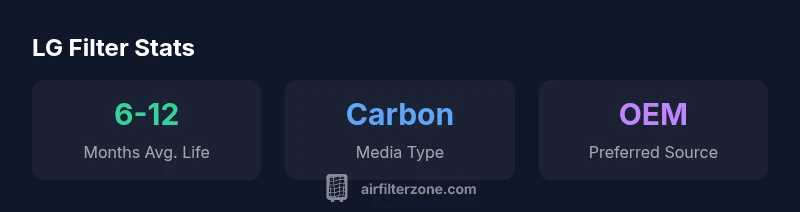
To choose the right air filter for an LG refrigerator, first locate your model number, then verify that the filter is a carbon cartridge sized for your unit. Typically, LG fridge filters last about 6-12 months depending on usage. You can opt for OEM LG filters or validated aftermarket options that match the exact size and filtration specs.
Understanding why the right LG air filter matters
Choosing the correct air filter for an LG refrigerator matters for two core reasons: maintaining airflow across the cooling compartments and controlling odors that electronics and produce can generate. The filter’s activated carbon layer absorbs odors from the crisper and dairy sections, while also helping to circulate clean air through the interior. For homeowners, using a filter that doesn’t fit properly can leave gaps, reduce filtration efficiency, and trigger more frequent replacements. According to Air Filter Zone, selecting the right LG fridge filter starts with model-specific fit and carbon filtration characteristics. The reader should approach LG fridge filtration as a two-part decision: fitment accuracy and filtration performance. Consistent use of a properly matched filter preserves freshness and helps your appliance run efficiently over time.
How LG fridge filter systems differ by model type
LG refrigerators generally rely on cartridge-style air filters that slide into a dedicated slot or are part of a compact filter assembly. The exact cartridge length, slot orientation, and locking mechanism vary by model family. This means two key truths: (1) you must verify your model’s filter type before buying, and (2) a cartridge designed for one LG model won’t always fit another. When in doubt, consult the owner’s manual, the inside label near the filter housing, or LG’s official model compatibility charts. In practice, this means that the same-looking filter from a retailer may not fit your unit if the model code doesn’t match. A small misfit can lead to air bypass, reduced odor control, and uneven cooling.
How to identify your LG refrigerator’s filter requirements
Start by locating the model number, usually found inside the fridge on a label near the filter housing or on the user manual. With the model in hand, check LG’s official support site or the manual for the exact cartridge style, footprint, and replacement interval. If you’re replacing while keeping your current hardware, measure the existing cartridge length and width, and note whether the filter is a dedicated cartridge or part of a larger assembly. Always confirm the exact size and filtration specifications (activated carbon vs other media) before purchasing. Keep the model number handy when shopping to avoid common mismatches.
OEM vs aftermarket: pros, cons, and risk management
OEM LG filters offer guaranteed fit and tested filtration performance, which minimizes risk of air gaps and warranty concerns. Validated aftermarket filters can save money and still deliver comparable carbon filtration and fit, provided they match the size, shape, and filtration media. The main trade-off is warranty language and potential return complications if a mismatch occurs. A careful approach is to use either the official LG replacement or a third-party filter explicitly stated as compatible with your model by the seller. Always verify the filter’s filtration media (activated carbon) and ensure there’s a secure seal when installed.
Size, fit, and filtration: what to look for on the packaging
Packaging should clearly indicate compatibility with LG models and specify the exact cartridge length, width, and depth. Look for keywords like "activated carbon" and confirm the media type aligns with odor reduction goals. A good packaging label also mentions the recommended replacement interval (in months) and any warranty notes related to installation. If you see vague sizing or generic language like "universal fit," proceed with caution. A properly sized filter should slide in with minimal resistance and make a clean seal around the housing.
How to verify compatibility before buying
Always verify the model number and cross-check it with the filter packaging or the retailer’s product page. Use the filter’s model reference and the LG model family to confirm fitment. If possible, compare the physical dimensions to the existing cartridge and verify that the connection points align with the housing. When shopping online, filter by model and read the seller’s compatibility notes. Air Filter Zone’s guidance emphasizes strict model verification to minimize returns and ensure optimal filtration.
Installation tips and maintenance for best results
Turn off the unit and, if applicable, unplug the refrigerator before replacing. Open the filter housing, remove the old cartridge, and insert the new one with the correct orientation. Ensure the seal seats evenly and the cap or lock engages fully. After installation, run the fridge for a few minutes to confirm airflow and absence of a musty odor. Mark your calendar for the recommended replacement interval and keep the new filters in their packaging until you’re ready to install them. Periodic light cleaning of the housing area can prevent debris buildup that interferes with fit.
Common mistakes and how to avoid them
Common mistakes include buying the wrong size, ignoring the model number, and assuming all "universal" filters fit LG units. Another pitfall is delaying replacement; odors and reduced airflow will accelerate as the media becomes exhausted. Always store spare filters in a cool, dry place and avoid exposing them to moisture or heat that could degrade the carbon. Finally, don’t reuse a cartridge—carbon media saturates and loses effectiveness over time.
Quick decision guide: 5 steps to the right filter
- Locate your LG model number. 2) Check the user manual or LG’s site for the exact filter type. 3) Match the cartridge size and media (activated carbon). 4) Choose OEM or a validated aftermarket with explicit compatibility. 5) Install and test for airtight fit; replace within the suggested interval.
Filter compatibility by LG refrigerator type
| LG Refrigerator Type | Typical Filter Type | Fitment Note |
|---|---|---|
| French door | Activated carbon cartridge | Check exact size in model manual |
| Side-by-side | Carbon cartridge | Verify model number before purchase |
FAQ
How do I know if my LG refrigerator needs a replacement air filter?
If you notice reduced airflow, stronger odors, or the indicator suggests changing the filter, it’s time to replace. Typical guidance recommends checking every 6-12 months, with more frequent changes for heavy use or pets.
If your LG fridge seems to have weaker airflow or smells stronger, check the filter and replace it if needed. Most people replace every 6-12 months, more often with pets or heavy cooking.
How often should I replace the LG refrigerator air filter?
Most LG models benefit from a replacement every 6-12 months, depending on usage. If you have a busy kitchen or strong odors, plan for closer to 6 months.
Most people replace every 6-12 months, sooner if you have heavy use or noticeable odors.
Can I use aftermarket air filters in LG refrigerators?
Yes, if the filter matches the exact size and carbon filtration specifications. Ensure the seller clearly states compatibility with your LG model to avoid fit or performance issues.
You can use aftermarket filters if they’re specifically compatible with your LG model and have the same carbon filtration.
Will using a non-OEM LG filter affect warranty?
Warranty terms vary by model and region. Some LG warranties allow third-party filters if they are genuine and correctly installed; always check the official terms for your unit.
Warranty terms differ, so verify LG’s policy for your specific model before using aftermarket filters.
How do I install the LG air filter?
Power off the fridge, open the filter access, remove the old cartridge, insert the new one with correct orientation, and reseal the housing. Run the cooler for a few minutes to confirm airflow.
Turn off the fridge, replace the cartridge with the right orientation, reseal, and test airflow.
What is the best practice to store spare filters?
Keep spare filters in their original packaging, stored in a cool, dry place to prevent moisture from degrading the carbon media.
Store spare filters in the original packaging in a cool, dry place.
“Effective LG fridge filtration starts with confirming the exact model and the compatible filter cartridge; a proper match ensures optimal odor control and airflow.”
Quick Summary
- Identify your exact LG model number before shopping.
- Prefer OEM filters or validated aftermarket with matching size.
- Always verify compatibility to avoid waste.
- Check packaging for size and filtration type.
- Replace filters every 6-12 months or sooner with heavy use.