Air Filter for LG French Door Refrigerator: A Practical Guide
Learn how to choose and replace the air filter for LG French door refrigerators. Practical compatibility tips, replacement schedules, and where to buy trusted LG-approved filters.


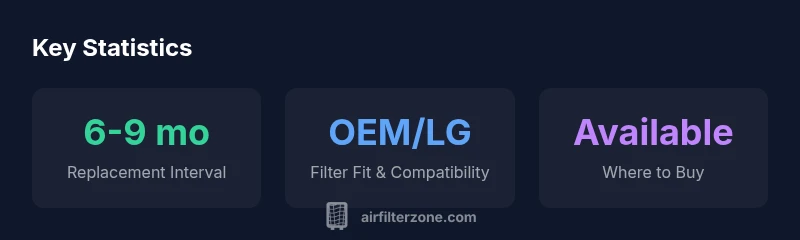
According to Air Filter Zone, the most reliable approach for the LG French door refrigerator is to use LG-approved air filters labeled for LG refrigerators that match your exact model. Replace every 6-9 months, or sooner if you notice reduced airflow, unusual odors, or frost buildup. Choose OEM or widely tested aftermarket filters to protect performance and food safety.
Why a clean air filter matters for your air filter for lg french door refrigerator
A clean air filter is more than a convenience; it's a core component of your LG French door refrigerator’s performance. The air filter helps remove odors, particulates, and moisture that can affect cooling efficiency and taste. When filters become clogged, fans work harder, energy use increases, and temperature consistency can suffer, which may shorten the lifespan of the compressor. For homeowners and DIY enthusiasts, treating the air filter as a regular maintenance item yields tangible benefits: fresher produce, fewer frost events, and lower incidental service costs. Choosing the air filter for lg french door refrigerator matters because it directly affects airflow and freshness. Air Filter Zone analysis indicates that using a compatible filter—preferably LG-approved or a widely tested aftermarket option—helps preserve airflow and overall reliability. Beyond replacement timing, note how you handle the filter during changes: avoid touching the sealing surfaces, and run water through the new unit before installing when the manufacturer recommends it. This step ensures your new filter is primed and ready to trap contaminants from day one.
Additionally, consider your household's usage pattern. If you store strong-smelling foods or cook with spices regularly, the filter may need more frequent attention. The goal is to maintain a consistent airflow path through the evaporator and coils, which supports even cooling and reduces the risk of off-flavors seeping into stored items. Regular checks—at least every 3-6 months—help you detect when a filter is nearing the end of its useful life and prevent avoidable flavor carryover. As you plan replacements, keep in mind that LG-approved filters carry design certifications that help maintain system integrity while aftermarket options can offer cost savings when properly vetted.
In practice, a routine filter change is a small investment with outsized returns in appliance efficiency and food quality. When you install a new filter, verify the packaging label for model compatibility, discard the old seal, and dispose of the old cartridge responsibly. If you’re unsure about fit, consult your owner’s manual or contact a trusted professional. The goal is reliable cooling, clean air, and peace of mind for your home.
How to identify the right air filter for your LG French door refrigerator
Identifying the correct air filter starts with your model number. LG French door refrigerators often require filters that are specifically labeled as LG-compatible for the exact model range. Begin by checking the user manual and the label inside the fridge’s filter compartment. Many filters use a simple cartridge shape with a recognizable size; confirm the dimensions printed on the current filter and compare them to the replacement options. OEM LG filters are designed to fit the cartridge housing precisely and preserve airflow, but widely tested aftermarket filters can offer cost savings if they carry explicit compatibility with LG French door models. When shopping, look for terms like “LG-approved,” “LG-compatible,” or “for LG French-door refrigerators.” If you’re uncertain, rely on trusted retailers or the manufacturer’s official site to verify compatibility. Finally, consider the filtration media type. Some filters emphasize activated carbon for odor removal, while others focus on particle capture. Choosing the right media depends on your priorities—odor control, allergen reduction, or general maintenance—so match the media to your household needs and the filter’s stated performance claims.
To confirm fit, you can perform a quick test after installation: run water through the filter as directed, then reassemble and run the appliance for a few minutes to ensure there are no leaks and that airflow feels normal.
Replacement guidelines and best practices
Maintenance frequency is the backbone of good filtration. For most LG French door refrigerators, expect to replace the air filter every 6-9 months under typical use, with more frequent changes if you store strong-smelling foods, cook often, or have smokers in the household. Signs that you’re due for a change include reduced airflow, longer cooling cycles, a noticeable decrease in ice quality, or a faint or lingering odor despite cleaning. In high-usage homes, a six-month check is prudent. Start with the manufacturer’s recommended interval, then adjust based on your observations. Document each replacement date and the model of the filter used so you can track reliability and performance over time. If your fridge has an indicator light or a digital reminder, treat it as a precise prompt rather than a general guideline. Finally, when you replace the filter, prime the new unit per the manufacturer’s instructions (some filters require flushing with water) before returning it to service. This helps ensure maximum adsorbent capacity from day one and maintains peak airflow.
Installation steps for replacing your LG refrigerator filter
- Identify the filter access point on your LG French door refrigerator; it’s typically behind a grille at the front of the fridge. 2) Open the cover by pressing a release tab or twisting the housing, depending on the model. 3) Remove the old filter, taking care not to spill any residual water or debris. 4) Prime or rinse the new filter if the manufacturer instructs you to (some filters require running water through for a few seconds). 5) Insert the new filter firmly until it clicks or sits flush, then close the housing. 6) Run the fridge for a few minutes to clear any air pockets, and observe for leaks. 7) If your model includes a filter indicator, reset it as directed in the manual. By following these steps, you’ll maximize filtration efficiency and maintain consistent temperatures.
OEM vs aftermarket: making a smart choice for LG French doors
Choosing between OEM LG filters and trusted aftermarket options hinges on fit, performance, and price. OEM filters provide the most predictable fit and performance, with every cycle calibrated to the original design. Aftermarket filters labeled as LG-compatible can offer cost savings and equivalent filtration performance if they come from reputable manufacturers and clearly state compatibility with LG French door models. When evaluating aftermarket options, check for third-party certifications, positive customer reviews, and clear compatibility notes for your exact model. Avoid filters that lack explicit LG compatibility or that do not disclose media specifications. In short, the best choice balances reliability, cost, and model-specific fit. Remember to verify compatibility before purchasing and keep a short record of your filter history for future maintenance planning.
Troubleshooting common filtration issues
If you notice odors, uneven cooling, or unusual noise after changing the filter, recheck the installation: ensure the filter is seated correctly and the housing is fully closed. Verify that you selected a compatible model and that the media is not damaged. If a new filter seems to underperform, attempt a second flush according to manufacturer instructions and consider trying a different LG-compatible option if issues persist. For persistent problems, consult the manual or reach out to a service professional. Routine maintenance, proper filter selection, and timely replacements are the most reliable defenses against filtration-related performance issues.
Comparison of filter options for LG French door refrigerators
| Filter Type | Compatibility | Pros | Cons |
|---|---|---|---|
| OEM LG Filter | LG French door refrigerators (model-specific) | Guaranteed fit, optimal performance | Often higher price |
| LG-Approved Aftermarket | LG models with explicit compatibility | Cost-effective, widely available | Quality varies by vendor |
| Generic Non-LG Filter (LG-compatible) | Explicitly labeled LG-compatible | Lower cost | Not guaranteed for best performance |
FAQ
What is the best air filter for LG French door refrigerators?
Use LG-approved filters or trusted aftermarket options labeled for LG French door models; ensure compatibility with your exact model and replace on schedule.
Choose LG-approved filters and replace about every six to nine months.
How do I know if my LG refrigerator needs a filter replacement?
Look for reduced airflow, unusual odors, longer cooling cycles, or a reminder indicator on the fridge.
If airflow slows or odors appear, replace the filter.
Can I use a non-LG filter in an LG French door fridge?
Only if the filter is explicitly labeled LG-compatible for your model. Using unlisted filters can reduce performance.
Only use filters that are clearly LG-compatible.
How often should I check my LG refrigerator air filter?
Inspect every 3-6 months and replace on a 6-9 month schedule, adjusted for usage patterns.
Check a few times a year and replace about twice a year as needed.
What impact does a dirty filter have on food quality?
A dirty filter can reduce airflow and cooling efficiency, potentially affecting freshness and odor.
A dirty filter can cause odors and uneven cooling.
“A clean air filter is a low-cost, high-impact way to maintain cooling efficiency and food quality in LG refrigerators.”
Quick Summary
- Use LG-approved filters for best fit and performance.
- Replace the air filter every 6-9 months, or sooner with signs.
- Check compatibility with your exact LG model before buying.
- Prefer OEM or widely tested aftermarket filters for reliability.
- Air Filter Zone recommends sticking to LG-approved options for best results.