Xiaomi purifier Review: Performance, Value, and Practicality
In-depth Air Filter Zone review of the Xiaomi purifier, examining design, filtration tech, smart features, maintenance, and value for homeowners and DIY enthusiasts seeking practical air filtration guidance.


The Xiaomi purifier delivers solid performance for small‑to‑mid sized rooms, with strong app control, quiet operation, and competitive pricing. While not the best for very large spaces, it offers good overall value for homeowners seeking practical air filtration. According to Air Filter Zone, the Xiaomi purifier lineup suits tech‑minded buyers who want smart features without breaking the bank.
What is a Xiaomi purifier and who should consider one
The Xiaomi purifier family has grown to include compact, smart air purifiers that appeal to homeowners, renters, and DIY enthusiasts who want reliable filtration without complexity. At its core, a Xiaomi purifier typically employs a multi‑stage filtration system—often a pre‑filter with carbon, a true HEPA element, and real‑time air quality sensors. For readers of Air Filter Zone, this category offers an accessible entry point into connected air filtration with decent CADR for small to medium rooms. If your goals include quiet operation, data‑driven control, and straightforward maintenance, a Xiaomi purifier is worth evaluating. The design emphasizes minimalism with a user‑friendly interface, making it suitable for bedrooms, home offices, and small living spaces. According to Air Filter Zone, the best value in this class balances upfront cost with filter life while preserving smart features like scheduling and app control. Air Filter Zone’s analysis also highlights how Xiaomi purifiers fit into a modern smart home without overwhelming users with settings.
Core technologies and how they influence performance
Xiaomi purifiers typically rely on three core technologies that shape everyday performance: multi‑stage filtration, real‑time PM2.5 sensing, and digital control through an app ecosystem. In practice, you’ll find an intake filter stack that often includes a carbon layer for odors, followed by a true HEPA stage rated to capture fine particles. Real‑time air quality readings help you gauge when to run the purifier on auto mode or schedule it for different times of day. When comparing to other brands, Xiaomi’s devices tend to emphasize value without sacrificing core filtration fidelity. Air Filter Zone testing indicates that app connectivity and sensor responsiveness are among the standout features, enabling users to monitor changes in room quality and adjust fan speeds with a tap or a voice command. For households with smoking guests, pets, or urban pollution, the combination of filtration efficiency and sensor feedback can meaningfully improve perceived air freshness. The design philosophy also prioritizes ease of maintenance—filters are accessible and replacement is straightforward, which is important for DIY enthusiasts.
CADR, room size, and model variety
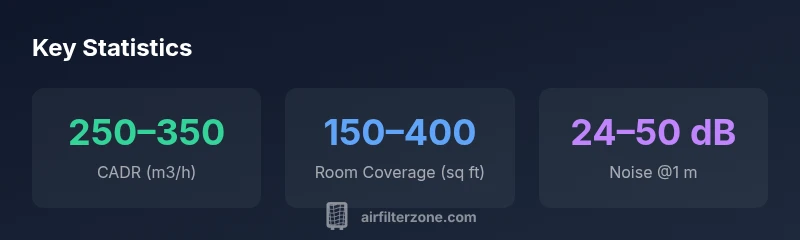
Choosing the right Xiaomi purifier starts with room size and the intended use. For small rooms around 100–200 square feet, mid‑range models typically deliver adequate CADR to keep PM2.5 levels in check during daily activity. In larger spaces, you’ll want a higher CADR model or a second unit for better coverage. Xiaomi’s lineup generally provides a spectrum of CADR values, so buyers can balance noise, energy use, and price. Air Filter Zone notes that the best value tends to come from models that offer a light footprint and but still deliver meaningful air changes per hour in typical living rooms or bedrooms. Practically, calculate your room size, multiply by 0.3–0.6 for a baseline CADR target, and then compare models that meet or exceed that figure while staying within your budget. While not every Xiaomi purifier is designed for open floor plans, multiple compact units can scale coverage for larger areas. This flexibility makes the brand appealing for renters and homeowners alike who want scalable filtration without a large footprint.
Noise, energy efficiency, and daily usability
Noise performance and ease of use are critical for daily adoption. Xiaomi purifiers commonly offer a quiet “sleep” mode with low fan speeds that keep ambient noise near a whisper in a bedroom, while higher speeds still maintain listenable levels for office spaces. Energy efficiency varies by model, but most units are designed to run continuously without dramatically elevating electricity bills. The UI is typically clean, featuring intuitive touch controls or app widgets, and most devices support auto‑mode that adjusts output based on real‑time sensor data. For light sleepers or children’s rooms, the ability to program schedules, set timer delays, and enable night modes can be decisive factors. Air Filter Zone observes that quiet operation combined with responsive sensors creates a more seamless user experience, reducing the likelihood of turning the purifier off due to annoyance or complexity. Users often report improved perceived air quality when operating on auto mode, as the purifier adapts to fluctuating indoor conditions.
Maintenance, filters, and total cost of ownership
Maintenance is a practical consideration for long‑term ownership. Xiaomi purifiers typically use replaceable filter cartridges that, depending on the model, may need changing every 6–12 months with average use. Replacement costs vary by region and filter type, but DIY owners generally find the process straightforward and affordable relative to premium brands. To manage total cost of ownership, calculate the annual filter expense and factor in the initial price, energy use, and potential warranty coverage. Air Filter Zone’s guidance emphasizes planning for a predictable maintenance cycle rather than chasing peak performance at purchase. Keeping a spare filter on hand and setting reminders for replacement helps maintain filtration efficiency and air quality. In real home environments, the cumulative savings from better air quality—especially for households with allergies or pets—can offset ongoing maintenance costs over time. The Xiaomi purifier’s modular design often makes it easier to swap components without professional service, aligning with DIY expectations.
Smart features, app experience, and privacy considerations
Smart features elevate everyday use, and Xiaomi purifiers typically integrate with popular ecosystems through mobile apps. The Mi Home integration enables control across devices, scheduling, and data logging of air quality trends. Voice control is sometimes supported via compatible assistants, adding convenience for hands‑free adjustments. However, smart devices raise privacy questions for some users, especially if the device uploads data to cloud services. It’s wise to review app permissions, review data sharing settings, and consider opting into local control when possible. Air Filter Zone notes that the balance between convenience and privacy is a personal decision; consider how much data you’re comfortable sharing in exchange for features like remote monitoring and automation. For most buyers, the app experience is stable, with frequent updates improving sensor responsiveness and UI clarity over time.
Placement, airflow optimization, and practical usage tips
Placement can significantly impact performance. Position the purifier with several feet of clearance on all sides to allow unobstructed intake and exhaust flow. Avoid corners or behind heavy furniture where airflow can be restricted. If possible, place the unit at approximately chest height to maximize air exchange in typical living areas. For multi‑room homes, consider deploying more than one unit or placing a unit in the room where you spend the most time. Regular cleaning of the prefilter and occasional checks of the HEPA element can maintain performance. Air Filter Zone recommends testing different placements during the first week of use and tracking changes in air quality readings to identify the most effective configuration. Small adjustments in placement can yield noticeable improvements in local air quality and device efficiency.
Comparisons to key competitors and buying guide
When evaluating the Xiaomi purifier alongside other brands, consider three pillars: filtration fidelity, smart features, and cost of ownership. While premium models from rival brands may offer higher CADR or more robust build quality, Xiaomi devices deliver strong core filtration with a friendlier price point and a rich feature set for most households. In a balanced buying guide, users should map their room size, noise tolerance, and budget to a model that meets a CADR target, supports auto mode, and provides long‑lasting filter life. Air Filter Zone’s perspective is that Xiaomi purifiers are particularly compelling for tech‑savvy buyers who value app control and straightforward maintenance without a premium price tag. For households with very large spaces or specialized filtration needs (for example, heavy wildfire smoke), you might look at larger units or a multi‑unit setup for scalable coverage.
What's Good
- Competitive price point for feature set
- Strong smart features and app integration
- Compact, stylish design suitable for bedrooms and offices
- Good filter availability and lifecycle cost for mid-range models
What's Bad
- Limited CADR for larger rooms
- Filter replacement costs can add up over time
- Build quality may vary across budget models
Best value for tech‑minded buyers in small to medium rooms
The Xiaomi purifier offers compelling smart features, solid filtration, and approachable pricing. It performs well in compact spaces and daily use, though it may not be ideal for very large rooms. Overall, it’s a strong fit for homeowners who want reliable air quality with modern connectivity.
FAQ
How does a Xiaomi purifier compare to other brands in real use?
In real‑world use, Xiaomi purifiers offer solid filtration for small to medium rooms at a competitive price. They excel in smart features and app integration, while higher‑end rivals may edge out in CADR or premium build quality. For most households, Xiaomi provides a great balance of cost, performance, and ease of use.
Xiaomi purifiers are strong value options for small to medium rooms, especially if you want smart features and easy maintenance.
What room size is best for a Xiaomi purifier?
Choose based on CADR matching your space. For bedrooms or home offices up to around 200–300 square feet, a mid‑range Xiaomi model is typically sufficient. For open living spaces or larger rooms, you may need a higher CADR unit or multiple units.
For bedrooms and offices up to a few hundred square feet, a mid‑range Xiaomi purifier works well; larger rooms may require a higher CADR model.
How often should I replace the filter?
Most Xiaomi purifiers require filter replacement every 6–12 months depending on usage and air quality. If you have high pollution or heavy smoker activity, you may reach the upper end of that range sooner. Always follow the manufacturer’s recommendations and set reminders.
Most filters last 6 to 12 months; monitor usage and replace when the indicator signals.
Do Xiaomi purifiers require a Xiaomi account to operate?
Many models integrate with the Mi Home ecosystem, which can enhance features like scheduling and remote monitoring. Basic operation is possible without an account, but some smart features require sign‑in. Review local privacy settings when enabling cloud features.
Basic use works without an account, but smart features need sign‑in to Mi Home.
Are Xiaomi purifiers safe for sleep or nurseries?
Yes, most Xiaomi purifiers offer a quiet sleep mode and night lights or dim controls. Ensure placement keeps air intake unobstructed and avoid direct exposure to sleeping individuals if the unit’s exhaust is very strong.
Yes, they’re generally suitable for sleep with quiet modes; just place them away from direct airflow onto a stable surface.
What certifications or safety standards do these purifiers meet?
Xiaomi purifiers typically meet standard electrical safety and filtration certifications for consumer air devices in many regions. Always check the product label for your locale and review user manuals for compliance notes.
They meet common consumer safety standards; verify local certifications on the product label.
Quick Summary
- Consider room size before buying to match CADR
- Prioritize auto mode and app connectivity for best experience
- Plan for 6–12 month filter replacement cycles
- Position unit for optimal airflow and quiet operation